



India issued a sharp rebuttal on August 4 to intensifying U.S. and European Union criticism of its trade ties with Russia, particularly around ongoing energy purchases. Officials in New Delhi asserted that the country would continue to “safeguard national interests” and rejected what it described as Western double standards.
The Ministry of External Affairs stated that India was not violating any international laws or sanctions, and insisted that national economic stability and strategic autonomy were legitimate priorities. Senior government representatives emphasized that while India imports discounted Russian crude oil and fertilizers, many of the same critics—including the United States and key European countries—continue to trade with Russia in large volumes.
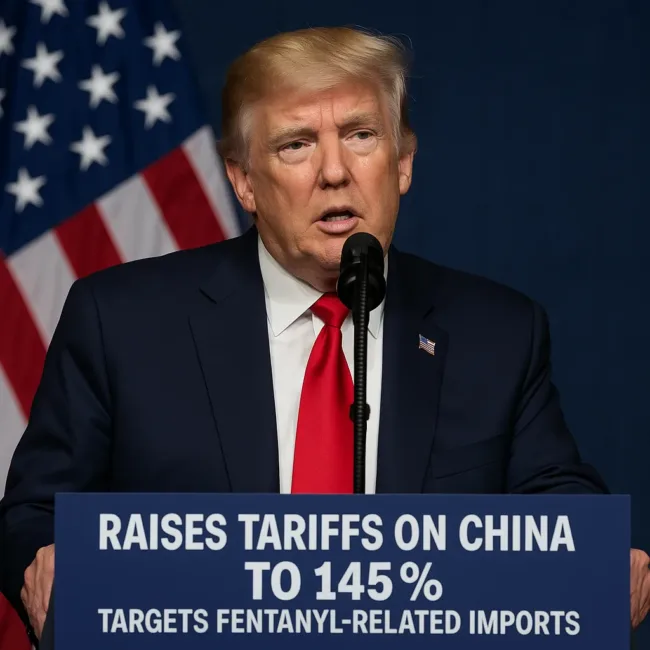
The diplomatic friction escalated following comments from U.S. President Donald Trump, who threatened to impose additional tariffs on Indian goods over what he claimed was India’s “resale” of Russian crude to circumvent sanctions. He accused India of helping to finance Russia’s war machine. In response, Indian officials pointed to continued European LNG imports, uranium shipments, and dual-use equipment sales to Russia as evidence of Western hypocrisy.
Why is India continuing trade with Russia despite Western pressure?
India has significantly increased its energy imports from Russia since 2022, taking advantage of steep discounts that emerged after Moscow was hit by sweeping Western sanctions over its invasion of Ukraine. Officials say these purchases are both economically prudent and strategically necessary, given that traditional suppliers in the Gulf have reoriented their exports toward Europe.
Data shows that India-Russia bilateral trade surged from approximately $13 billion in FY2021–22 to over $27 billion the following year, with crude oil, coal, and fertilizers comprising the bulk of imports. India has repeatedly clarified that its purchases do not violate international law, as Russian energy exports are not currently sanctioned by multilateral institutions.
New Delhi argues that affordable energy is critical to domestic economic stability. Officials have warned that a sudden pullout from Russian crude contracts could destabilize domestic fuel prices and contribute to global oil price volatility—similar to the $137-per-barrel spike witnessed in early 2022.
Is the criticism from the United States and Europe consistent with their own trade actions?
Indian officials contend that the West is applying selective outrage. According to India’s Ministry of External Affairs, European Union trade with Russia still exceeds €80 billion annually, including LNG volumes of over 16 million tonnes. The United States, for its part, has continued to import Russian uranium for civil nuclear applications—despite high-level rhetoric denouncing Moscow.
This pattern, Indian policymakers argue, suggests that the criticism directed at New Delhi is not about principle, but geopolitical alignment. A senior official said that India’s sovereign right to diversify energy sources and reduce import dependency from any one region would not be compromised under external pressure.
New Delhi’s response also implied that the U.S. administration was leveraging the Russia issue to extract trade concessions in unrelated areas—particularly in the agricultural and pharma sectors. While U.S.-India trade ties have grown steadily over the past decade, frictions persist around market access, IP protection, and tariffs on digital goods.
What role does strategic autonomy play in India’s position?
At the core of India’s rebuttal is its long-standing policy of strategic autonomy—resisting alignment with any single bloc and preserving the ability to navigate a multipolar world on its own terms. This doctrine, which has guided Indian foreign policy since the Cold War, has been reaffirmed in recent years through diversified military purchases, energy sourcing, and trade relationships.
Officials reiterated that India would not adopt unilateral sanctions unless mandated by the United Nations. While India has condemned civilian casualties and called for a peaceful resolution to the Ukraine conflict, it has refused to join U.S.-led sanctions or freeze commercial ties with Russia.
Analysts suggest that the strong public pushback to the U.S. and EU criticisms is also designed to send a message to domestic audiences—that the government is defending fuel affordability and protecting national sovereignty. With general elections approaching in 2026, the optics of standing firm against foreign pressure could have political resonance.
How are global markets and institutions reacting?
Global energy markets have so far responded cautiously. Brent crude prices held steady in the wake of India’s remarks, suggesting traders expect continuity in Russian energy flows to Asia. However, any escalation—such as retaliatory tariffs by the U.S. or fresh secondary sanctions—could trigger volatility in fuel and currency markets.
Indian refiners, who have retooled infrastructure to process Russian Urals crude, are unlikely to reverse course unless legally compelled. Meanwhile, European importers of LNG and metals from Russia face growing scrutiny over perceived moral inconsistency in continuing such trade.
From a multilateral perspective, India is expected to raise these trade asymmetries in upcoming BRICS and G20 forums. Sources familiar with the matter said India may push for reforms in global energy governance and demand greater transparency from Western nations on their own Russia-linked trade.
Can India withstand potential fallout from U.S. tariffs?
Financial markets are watching closely. Indian exporters fear that any escalation by the Trump administration could hit sectors already under strain from weak global demand, including textiles, pharma, and auto parts. Trump has already levied a 25% tariff on certain Indian steel products and has hinted at extending duties to more categories.
Despite this, institutional investors have largely remained confident in India’s economic fundamentals. The benchmark Nifty 50 index has been resilient, while the rupee has held within a narrow band—suggesting markets are betting that diplomacy will prevail.
Experts believe that Trump’s threats, while aggressive, may be more rhetorical than policy-bound. “India’s energy choices are driven by market dynamics, not ideology,” said one trade economist. “The U.S. understands that alienating India over a marginal volume of oil imports risks damaging a far more important geopolitical partnership.”
The Reserve Bank of India, meanwhile, has not signaled any concern over currency flows tied to Russian trade. Indian oil payments have been structured to avoid U.S. dollar exposure, often using rupee-ruble or dirham-denominated settlements through alternate financial channels.
India’s response to U.S. and EU pressure signals a maturing diplomatic posture—assertive, yet economically calculated. By turning the spotlight back on Western trade hypocrisies, India is not just defending a policy decision, but reshaping the narrative around energy justice and global equity.
Discover more from Business-News-Today.com
Subscribe to get the latest posts sent to your email.