





Xcel Energy (NASDAQ: XEL), the Minneapolis-headquartered electric and natural gas utility serving eight U.S. states, has unveiled an ambitious portfolio of new generation resources to address the fast-growing electricity demand in Texas and New Mexico. The resource plan, announced in Amarillo, Texas, combines 521 megawatts of extended existing generation capacity with 17 new power projects that will add 5,168 megawatts of new nameplate capacity by 2030. The expansion incorporates a mix of dispatchable generation, energy storage, and renewable energy, representing a significant milestone in the utility’s long-term strategy to enhance grid resilience, economic growth, and energy reliability across the Southwest.
The planned projects come at a time when electricity demand in the Texas and New Mexico service area is projected to increase by more than 40% by 2030, driven by industrial growth, population expansion, and a rapid shift toward electrification. The utility’s leadership has described the initiative as critical to ensuring uninterrupted power supply in high-growth regions, with the planned portfolio also expected to support new industries, job creation, and rural economic development.
Why is Xcel Energy adding more than 5,000 megawatts of new capacity in Texas and New Mexico by 2030?
The utility has justified the need for the new generation projects primarily due to surging regional demand and stricter capacity planning requirements from the Southwest Power Pool, which governs wholesale electricity markets in the region. Utilities under the Southwest Power Pool are now required to maintain higher planning reserve margins, meaning they need additional generation capacity to meet seasonal peaks and to offset unexpected outages. Analysts suggest that the combination of population growth in urban areas, industrial expansion in sectors such as oil and gas, and widespread electrification in residential and commercial spaces has put immense pressure on existing grid infrastructure.
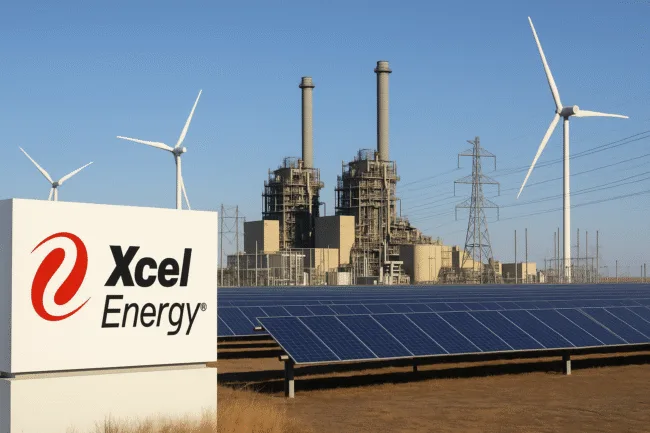
Institutional investors view Xcel Energy’s expansion as a proactive move to secure its market position in one of the fastest-growing energy markets in the United States. The decision to combine renewable energy, energy storage, and traditional dispatchable power is also being seen as a hedge against both demand volatility and regulatory risks, particularly as states such as New Mexico push aggressively toward renewable energy mandates.
What mix of energy technologies is included in Xcel Energy’s Texas and New Mexico expansion plan?
The announced portfolio totals 5,168 megawatts of new generation, with a significant share allocated to dispatchable generation and energy storage systems, amounting to 3,200 megawatts. This portion of the capacity will likely rely on natural gas-fired plants and advanced battery storage systems to ensure stable, on-demand power supply during peak usage hours or when renewable generation dips. Additionally, 1,968 megawatts will be sourced from wind and solar energy facilities, reinforcing Xcel Energy’s stated commitment to expanding renewable energy while maintaining grid stability.
The portfolio also extends the operational life of natural gas units at existing sites, including Nichols, Maddox, and Plant X. By refurbishing and extending these units, the utility aims to optimize costs, reduce the time required to deploy new generation, and leverage existing infrastructure to connect new power to the grid.
Two of the newly announced solar projects will be specifically dedicated to meeting New Mexico’s renewable energy targets, which mandate that 50% of the state’s electricity must come from renewable sources by 2030. This focus reflects the dual priority of meeting regulatory mandates while aligning with broader clean energy transition goals.
How will the new power projects affect economic growth and regional development in Texas and New Mexico?
Xcel Energy’s resource expansion is expected to deliver multi-billion-dollar economic benefits across both states. According to third-party projections, New Mexico alone could see up to $5 billion in economic impact over the next five years, largely driven by the oil and gas industry’s electrification and increased demand for reliable energy. The Panhandle region of Texas, where industrial demand is accelerating, will also benefit through new job creation, higher tax revenues, and infrastructure upgrades in rural and urban communities.
Analysts believe that the distributed nature of these projects—many of which will be built at existing power plant sites—will help stimulate local economies by reinvesting in host communities. This approach also reduces permitting and construction timelines, enabling new plants to come online faster, which institutional investors view positively from a capital efficiency standpoint.
What are the regulatory and investment implications of Xcel Energy’s latest expansion plan?
The utility is expected to submit its portfolio proposal to state regulators in the second half of 2025. Regulatory approval is a key milestone, particularly given the mix of ownership structures, which will include utility-owned projects, power purchase agreements, and third-party-developed facilities later acquired by Xcel Energy. The diverse ownership model provides flexibility in financing and operational risk-sharing, which market observers say could attract investor confidence in Xcel Energy’s long-term growth prospects.
Institutional sentiment remains cautiously optimistic, as the addition of large-scale dispatchable generation ensures stable returns in markets where renewables alone cannot fully meet peak demand. However, regulatory scrutiny is likely to focus on balancing cost efficiency for customers with the utility’s capital-intensive expansion plans.
Investors have also taken note of Xcel Energy’s strategy to issue another all-source request for proposals for additional resources to be operational by 2032. This forward-looking approach positions the utility to capture future growth opportunities while aligning with evolving regional energy policies.
How does this expansion fit into Xcel Energy’s broader strategy for clean energy and grid modernization?
The Texas and New Mexico expansion is part of Xcel Energy’s broader five-year investment plan, announced in October 2024, which aims to modernize grid infrastructure, increase system reliability, and integrate cleaner energy sources across its eight-state footprint. By focusing on both renewable and dispatchable generation, the utility is seeking to balance its clean energy transition goals with its obligation to maintain reliability and affordability for customers.
Analysts note that Xcel Energy’s strategy reflects a pragmatic clean energy transition model, where investments in natural gas and storage technologies act as a bridge until renewable technologies can fully meet reliability standards. This balanced approach may serve as a template for other utilities operating in regions with high demand growth and stringent renewable energy requirements.
What is the future outlook for Xcel Energy’s operations in Texas and New Mexico?
Looking ahead, institutional investors expect Xcel Energy to maintain a robust capital expenditure cycle in Texas and New Mexico through 2030 and beyond, driven by sustained demand growth and regulatory support for infrastructure development. Analysts predict that as additional solicitations for new resources are issued, Xcel Energy will expand its renewable portfolio further while continuing to rely on dispatchable resources for grid stability.
Market observers also anticipate that if regulatory approvals are secured on time, the utility could achieve an accelerated deployment schedule for several of these projects, which would enhance its revenue base sooner than expected. However, investors are also closely monitoring cost management, as the scale of these projects could place upward pressure on rate structures if not carefully executed.
Discover more from Business-News-Today.com
Subscribe to get the latest posts sent to your email.