




Vault Minerals Limited (ASX: VAU), formerly Red 5 Limited, surprised the market with a 31 percent jump in ore reserves to four million ounces and a three percent lift in mineral resources to 12.2 million ounces as of June 30, 2025. Yet instead of rallying, the gold miner’s stock slipped 4.17 percent to AUD 0.633 in morning trade, with more than 15 million shares changing hands. The sharp contrast between operational strength and market reaction underscored lingering investor caution over valuation, execution, and cash flow timing.
The company now holds a market capitalization of AUD 4.3 billion, trades on a lofty price-to-earnings ratio of 79.06, and remains one of the better-performing names in the Australian gold sector with a 91.7 percent one-year return. Yet the market reaction highlighted how valuation risks can overshadow operational gains, especially when investors use positive announcements as an opportunity to take profits after a prolonged rally.
What does the Leonora operation expansion mean for Vault Minerals’ long-term production profile?
Leonora remains the cornerstone of Vault Minerals’ portfolio. The operation delivered a standout 39 percent year-on-year increase in ore reserves to 2.8 million ounces, supported by both open pit and underground additions. The King of the Hills (KoTH) open pit was again the driver, with drilling at the West Zone returning spectacular grades, including intercepts of 5.62 metres at 31.6 grams per tonne and 0.35 metres at 174 grams per tonne. These results not only extended known mineralisation along strike and down dip but also reinforced the long-term optionality of the open pit model.
The company confirmed that the KoTH processing facility upgrade is on schedule, with throughput capacity set to rise from around five million tonnes per annum in fiscal 2025 to more than 7.5 million tonnes per annum by the second quarter of fiscal 2027. Analysts said the expansion cements Leonora’s position as a long-life, large-scale system, offering optionality to adjust production strategies in response to long-term gold price cycles. By applying a higher gold price assumption of AUD 4,500 per ounce, compared to AUD 3,500 per ounce in the prior year, Vault further strengthened its reserve base while lowering cut-off grades.
How do Mount Monger and Deflector reserves reflect the value of established mining infrastructure?
At Mount Monger, ore reserves rose by 28 percent net of depletion to 629,000 ounces. Much of the increase came from the Rumbles open pit within the Mount Belches mining centre, which lifted reserves to 65,800 ounces compared to 13,360 ounces a year earlier. Stockpiles also played a key role, increasing by 58 percent to 101,000 ounces after reclassification. Analysts noted that this reflects the value of established mining and processing infrastructure, where even lower grade material can be converted into economic ore in a constructive gold price environment.
Deflector operations showed a different dynamic. Total ore reserves increased 11 percent net of depletion to 192,000 ounces. Underground additions at Deflector South West largely offset depletion at Deflector Main, resulting in a 70 percent increase in underground reserves even as the open pit was removed from the mine plan. Together with Rothsay, Deflector maintains a life-of-mine profile of 2.5 to three years at current throughput rates. However, further extensions will depend on conversion drilling, particularly in the Spanish Galleon and South West zones.
What role does the Sugar Zone in Canada play in Vault Minerals’ diversification strategy?
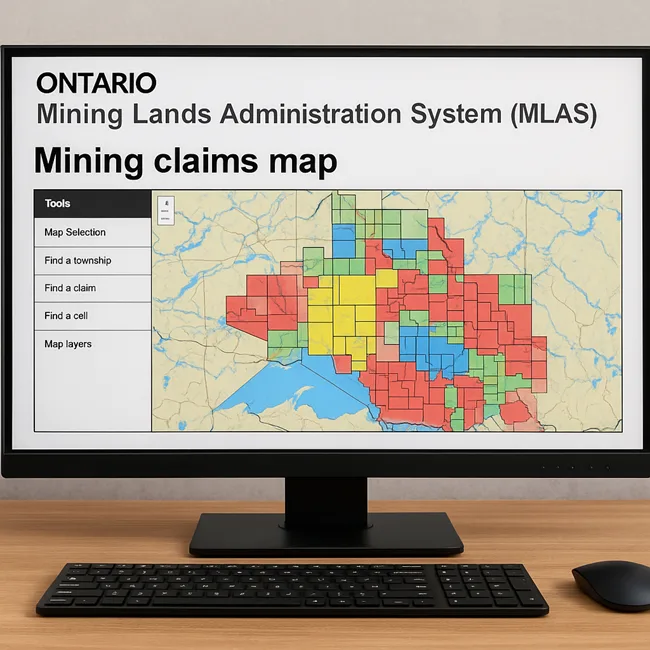
The Sugar Zone in Ontario continues to stand out as Vault’s key international diversification play. The project posted a 20 percent increase in ore reserves to 389,000 ounces, driven by successful drilling at the Sugar South lodes. These lodes are located approximately 150 metres south of the main stoping zone and provide a third production front with grades around 23 percent higher than the combined reserve grade of the Sugar Main and Middle Zone.
The updated mine plan incorporates the Sugar South lodes into future development schedules, with access enabled through extensions of existing mine infrastructure. Vault emphasized that Sugar South represents a low-capital pathway to growth, de-risking production ahead of the restart. However, full operations remain contingent on regulatory approval for the Southern Tailings Management Facility, a critical piece of infrastructure scheduled for completion between July 2026 and October 2027. Production at Sugar Zone is targeted to commence by November 2027, provided approvals are granted. For investors, this project offers both higher grade upside and a hedge against regional concentration in Australia.
Why is the market cautious despite a constructive gold price outlook?
Vault Minerals has positioned itself to benefit from gold’s constructive pricing environment. With spot gold trading above USD 2,300 per ounce, the company’s enlarged reserve base offers significant leverage. Management highlighted that free cash flow is expected to rise sharply in the second half of fiscal 2026 as hedging commitments decline and the hedge book is exhausted by the first quarter of fiscal 2027.
Despite these positives, the market displayed caution. The share price reaction underscored concerns about execution risks, including timely completion of the KoTH mill upgrade, the regulatory pathway at Sugar Zone, and the allocation of AUD 30 million for exploration in fiscal 2026. While such spending could generate significant returns, investors worry about near-term dilution of cash flows. The elevated valuation multiple also compounds these concerns, leaving limited room for error.
How are analysts and institutional investors reading Vault Minerals’ valuation and growth outlook?
Analyst and institutional responses to the update were mixed. Some market participants considered the 33 percent increase in ore reserves a major de-risking event that enhances Vault’s standing among Australian mid-tier gold miners. Others remained wary, citing a price-to-earnings multiple above 79 and premium valuations relative to peers such as Northern Star Resources and Evolution Mining.
Trading data suggested that foreign institutional investors were net sellers, using the strong rally of the past twelve months as an exit opportunity. Domestic institutional investors appeared more balanced, rotating funds within the gold mining space rather than exiting altogether. Retail investors, encouraged by the scale of the reserve base, continued to buy on dips, although in smaller parcels.
Some brokerages hinted at a shift toward more neutral recommendations, with a bias to “Hold” until project delivery risks are better managed. At the same time, others argued for an “Accumulate” stance, noting the company’s leverage to exploration success and the free cash flow inflection point in late fiscal 2026.
What is the forward strategy for Vault Minerals as it transitions into a mid-tier gold producer?
Vault Minerals outlined four clear strategic pillars. The first is expanding Leonora into a world-class system, anchored by the KoTH open pit and supplemented by Darlot underground reserves. The second is extending the life of Mount Monger and Deflector through targeted drilling and reclassification of stockpiles. The third is ensuring the successful restart of Sugar Zone, with Sugar South now incorporated into mine planning. The fourth is reinvigorating regional exploration, with 116,000 metres of drilling planned at Leonora alone in fiscal 2026.
Execution of these priorities could transform Vault into a mid-tier gold producer with an annual output potential in the 350,000 to 400,000 ounce range. The expanded ore reserve base also positions the company for potential merger and acquisition activity, especially as global majors look to replenish reserves in tier-one jurisdictions.
Is Vault Minerals a buy, sell, or hold after this reserve upgrade?
Vault Minerals has emerged as one of the strongest growth stories in the Australian gold sector, with ore reserves now at four million ounces and mineral resources exceeding 12 million ounces. The company has proved its ability to replace and grow reserves across its operating portfolio in Western Australia and through its Canadian asset.
The share price decline following the announcement reflected a combination of profit-taking, valuation concerns, and investor caution over execution. In the short term, traders may view the pullback as a consolidation phase after the strong rally. For long-term investors, the stock offers a compelling reserve growth trajectory and exposure to rising gold prices, but it also carries volatility risks.
Market consensus appears to lean toward a neutral to mildly positive stance. Some investors will likely hold or accumulate on dips, while others wait for greater clarity on Leonora’s mill expansion and Sugar Zone’s regulatory approvals. The company’s long-term trajectory is constructive, but the path ahead requires disciplined execution and balance sheet management.
Discover more from Business-News-Today.com
Subscribe to get the latest posts sent to your email.