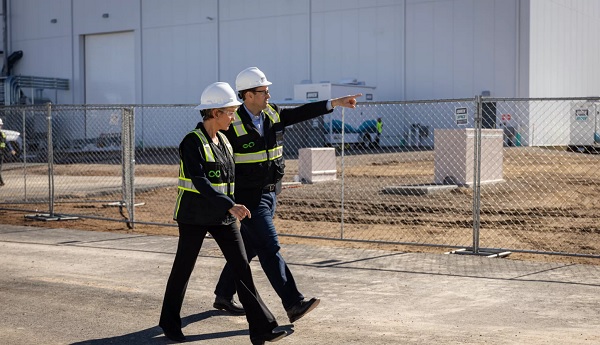
Gothenburg-based industrial bearings and motion technologies company SKF has completed the divestment of its precision elastomeric device (PED) business in Elgin, Illinois to Carco PRP Group for an enterprise value of 75 million US dollars. The transaction marks a clean exit from a non-core aerospace asset and aligns with SKF’s stated intent to concentrate capital and management attention on high-margin aeroengine and aerostructure bearing systems.
The sale will contribute approximately 0.4 billion Swedish kronor in capital gains in the first quarter of 2026 and will be accounted for under items affecting comparability. The Elgin divestment is the final step in SKF’s strategic review of its aerospace portfolio, initiated to phase out legacy businesses with limited strategic or technological synergies.
Why did SKF divest its Elgin aerospace unit, and what strategic shift does this reflect?
SKF’s exit from the Elgin PED operation is not just a financial maneuver but part of a deeper strategic re-architecture of its aerospace division. The company has made it clear that it wants to streamline operations by focusing on its high-value bearing offerings for aeroengines and aerostructures, both of which offer more robust technology leverage, lifecycle revenue potential, and tighter integration with next-generation aircraft platforms.
The Elgin facility, specializing in elastomeric components for vibration isolation and structural damping, did not fit this profile. These products, while technically demanding, cater to lower-margin, contract-driven segments of the aerospace supply chain that are increasingly commoditized and under price pressure.
By selling the unit to Carco PRP Group—an aerospace and industrial components firm more focused on elastomeric product lines—SKF signals a deliberate pivot toward future-forward capabilities. This includes digitalized bearing diagnostics, condition monitoring systems, advanced materials, and smart manufacturing upgrades within its core aerospace plants.
How does this sale affect SKF’s aerospace capital allocation and competitive positioning?
The capital freed from the divestment is expected to be redeployed toward operational efficiency programs, capacity modernization, and deeper technology integration across SKF’s core aerospace factories. That means more automation, digitization of machining processes, and vertical integration of bearing technologies tuned for the next wave of propulsion systems, including geared turbofan and hybrid-electric engines.
In terms of competitive dynamics, SKF’s narrower focus mirrors similar moves by major aerospace suppliers like Moog, Parker Hannifin, and Collins Aerospace, who are divesting subscale or non-core assets to double down on high-tech, specification-locked programs. This is increasingly necessary in a post-COVID aerospace market where airlines and OEMs are optimizing supplier bases and demanding innovation-linked cost efficiencies.
SKF’s move allows it to offer a clearer value proposition to tier-1 customers like Safran, Rolls-Royce, and Pratt & Whitney—many of whom are concentrating their own supplier footprints to those who can co-develop durable, smart, and certifiable componentry.
What are the financial and reporting implications of the Elgin divestment?
The 75 million US dollar transaction translates to roughly 675 million Swedish kronor and will produce a one-time capital gain of around 0.4 billion kronor in the first quarter of 2026. This gain will be recorded under items affecting comparability, which means it won’t impact SKF’s underlying EBIT or adjusted margin performance.
That accounting treatment is significant, as it preserves the comparability of SKF’s ongoing aerospace earnings, allowing investors and analysts to focus on performance trends in the remaining core operations. The deal also supports SKF’s capital return narrative without introducing distortions to its recurring industrial margins.
It is also notable that the transaction was executed in a relatively tight timeframe following the initial announcement, signaling strong internal execution discipline and continued appetite among specialized buyers like Carco PRP Group for smaller carve-out assets with production heritage.
What happens next for SKF’s aerospace business after the Elgin exit?
With Elgin now off the books, SKF’s aerospace division will likely intensify investment in digital transformation, product co-engineering with OEMs, and thermal management and material science innovations for ultra-high-speed bearings.
Factory-level upgrades, particularly in key facilities across Europe and North America, are expected to play a central role. These may include retrofits for smart tooling, real-time data analytics, and enhanced robotics for precision manufacturing, especially in cleanroom environments where bearing tolerances must be maintained within microns.
Longer-term, SKF’s aerospace growth will hinge on how effectively it aligns its engineering roadmap with emerging propulsion and structural needs in both commercial aviation and defense. That includes work on corrosion-resistant coatings, low-friction surfaces, and lightweight bearing assemblies that can handle harsher operating environments, particularly in military and space applications.
How does Carco PRP Group benefit from acquiring the Elgin operation?
For Carco PRP Group, the acquisition is a capacity-expanding move. The Elgin plant’s product lines in elastomeric isolators, bushings, and dampers directly complement Carco’s existing portfolio, enabling deeper penetration into rotorcraft, fixed-wing aircraft, and select industrial markets where vibration attenuation is critical.
Carco also gains access to long-term supply contracts, legacy platform approvals, and a skilled workforce in Illinois. That enhances its ability to deliver at scale and tap into the pent-up demand for replacement parts in mature aerospace fleets undergoing life-extension programs.
The deal also positions Carco PRP Group to benefit from any reshoring tailwinds or “Buy America” clauses that may incentivize U.S.-based production of mission-critical aerospace components.
What are the implications for investors tracking SKF’s capital strategy in 2026?
The Elgin exit provides further evidence that SKF is taking a disciplined, long-term view of its capital allocation strategy. Rather than chasing scale, the company appears to be trimming away operational complexity in favor of specialization and margin expansion.
That said, investors will likely monitor whether this specialization leads to volume volatility. Aeroengine bearings, while high-margin, are exposed to cyclical swings in aircraft deliveries and aftermarket activity. SKF’s success may depend on whether it can build a technology moat wide enough to offset those risks.
Institutional sentiment has generally favored companies that demonstrate portfolio discipline, particularly in capital-intensive industrial sectors. If SKF can show margin accretion and higher order book visibility from its refocused aerospace play, the market may reward that clarity.
What are the key takeaways for aerospace suppliers, investors, and manufacturing strategists?
Key takeaways on what this development means for the company, its competitors, and the industry:
- SKF has divested its Elgin, Illinois PED aerospace operation to Carco PRP Group for 75 million US dollars to exit a non-core product line.
- The divestment will generate a capital gain of approximately 0.4 billion kronor in Q1 2026, reported under items affecting comparability.
- The move is part of a broader strategy to focus on high-tech aeroengine and aerostructure bearing systems.
- Capital from the sale will likely be redeployed toward digital factory upgrades and advanced materials R&D within core aerospace facilities.
- The divestment simplifies SKF’s aerospace portfolio and aligns with OEM demands for innovation-linked, margin-robust suppliers.
- Competitors like Parker Hannifin and Moog have made similar streamlining moves, validating SKF’s strategic direction.
- Carco PRP Group benefits from expanded elastomeric product capacity and contracts tied to legacy aircraft platforms.
- The deal signals continued M&A appetite in aerospace sub-tier supply chains, especially for U.S.-based production sites.
- Investor focus will now turn to SKF’s margin trends and technology roadmap in its remaining aerospace business.
- Execution risk lies in balancing high-margin specialization with cyclical exposure to commercial aviation delivery swings.
Discover more from Business-News-Today.com
Subscribe to get the latest posts sent to your email.