




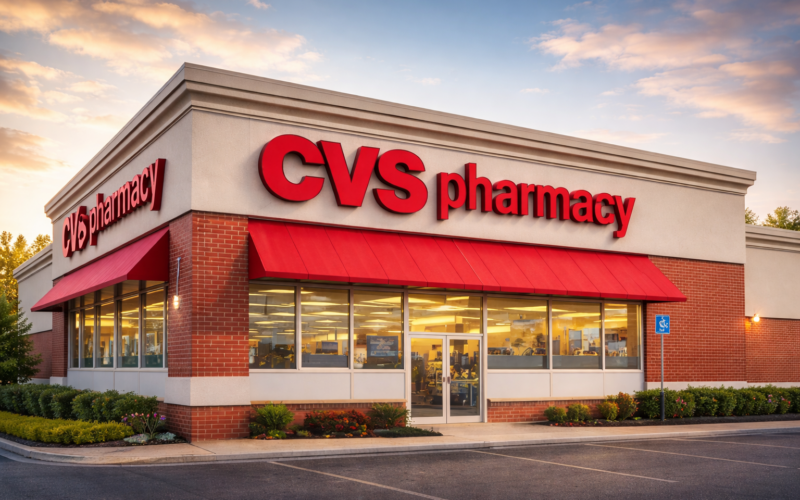
CVS Health Corporation has begun accepting TrumpRx prescription discount cards at participating CVS Pharmacy locations across the United States, expanding the set of cash-pay pricing options available to consumers. The decision places the largest U.S. retail pharmacy chain directly into the renewed national debate over prescription affordability, pharmacy margins, and the limits of insurance-driven drug pricing.
The move does not alter drug list prices or insurance reimbursement structures, but it materially affects how patients experience pricing at the counter. Strategically, it signals that CVS Health Corporation is prioritizing traffic retention and transactional relevance as price sensitivity rises among uninsured and underinsured patients.
Why CVS Health Corporation’s decision to accept TrumpRx discount cards signals a shift in retail pharmacy pricing strategy
Retail pharmacies are increasingly competing on accessibility and perceived affordability rather than formulary depth or brand loyalty. By accepting TrumpRx, CVS Health Corporation is acknowledging that a growing share of prescription transactions are being decided at the point of sale, not within insurance benefit designs.
This is less about political alignment and more about market mechanics. Discount cards have become a parallel pricing layer in U.S. healthcare, and refusal to participate risks losing the customer entirely. CVS Health Corporation’s acceptance reflects a strategic shift toward meeting consumers where pricing decisions actually occur.
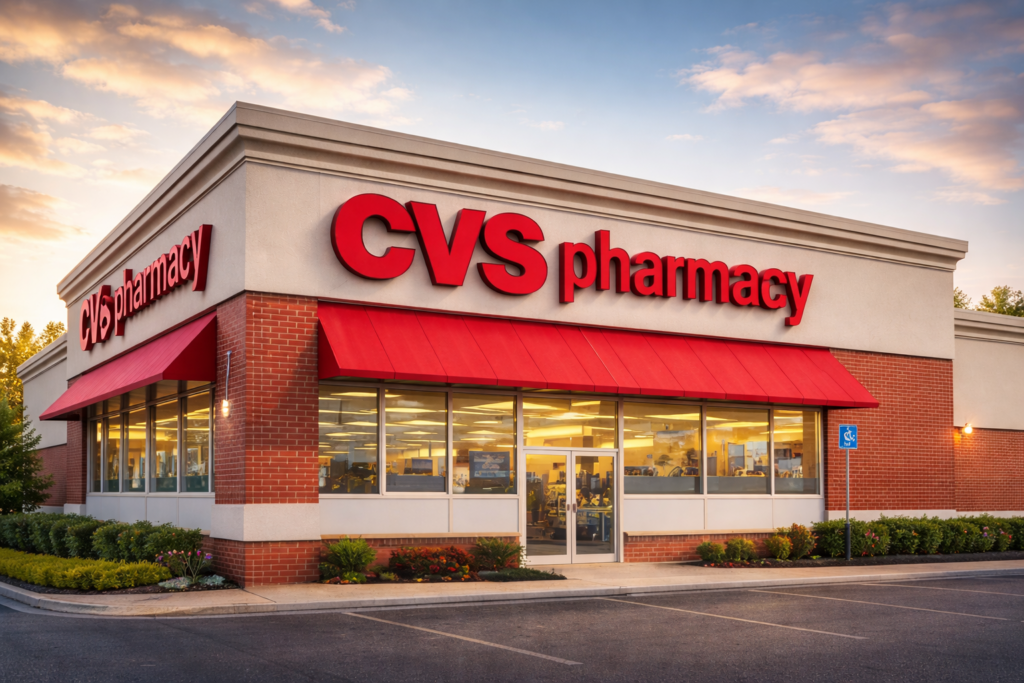
How TrumpRx discount cards fit into the evolving U.S. prescription drug pricing ecosystem outside insurance coverage
TrumpRx operates within a well-established category of third-party prescription discount programs that sit outside traditional insurance structures. These programs negotiate cash-pay prices that are often lower than insured copays, particularly for generic drugs.
What differentiates TrumpRx is branding rather than economics. The pricing mechanics mirror existing discount cards already accepted by major pharmacies. From an operational standpoint, CVS Health Corporation treats TrumpRx as another negotiated cash pathway rather than a policy instrument.
What CVS Health Corporation’s TrumpRx participation reveals about cash-pay patients and pharmacy traffic economics
Cash-pay patients represent a disproportionately important segment for retail pharmacies. While margins on discounted prescriptions are thinner, these customers drive volume, repeat visits, and incremental in-store purchases.
Accepting TrumpRx helps CVS Health Corporation retain foot traffic from price-sensitive patients who might otherwise comparison-shop across chains or move prescriptions to independents. In a low-growth prescription volume environment, defending traffic is often more valuable than defending margin purity.
How accepting politically branded prescription discount cards alters competitive dynamics among U.S. pharmacy chains
When the largest pharmacy chain in the United States accepts a discount card, it sets a de facto industry standard. Competitors face pressure to match acceptance regardless of political considerations to avoid customer attrition.
This accelerates normalization of politically branded pricing tools within commercial healthcare infrastructure. For consumers, the distinction between policy messaging and pharmacy operations becomes increasingly blurred.
Why independent pharmacies face greater margin pressure as national chains normalize third-party discount programs
Independent pharmacies typically lack the scale to absorb margin compression from discount cards. While they may accept such programs to remain competitive, the economics are less forgiving without the cross-subsidization available to national chains.
CVS Health Corporation’s participation reinforces a structural advantage enjoyed by large operators, potentially widening the gap between national chains and independents in cash-pay prescription economics.
What this move says about CVS Health Corporation’s broader retail versus healthcare services revenue balance
Retail pharmacy margins alone are no longer sufficient to support long-term growth. CVS Health Corporation’s broader strategy relies on healthcare services, clinics, and managed care to stabilize earnings.
Accepting TrumpRx at the retail level aligns with this model. Retail becomes a traffic engine feeding higher-margin healthcare services, rather than a standalone profit center expected to maximize per-prescription returns.
How investor sentiment toward CVS Health Corporation may interpret TrumpRx acceptance amid margin scrutiny
From an investor perspective, TrumpRx acceptance is unlikely to materially impact valuation. Institutional sentiment toward CVS Health Corporation is driven by reimbursement rates, cost controls, and execution across healthcare services rather than isolated retail pricing decisions.
Most investors will view this move as operational hygiene. The key question remains whether CVS Health Corporation can protect aggregate cash flow while navigating ongoing margin pressure in retail pharmacy.
What regulatory and policy risks surround prescription discount cards in the United States healthcare system
Prescription discount cards operate with limited federal oversight, creating a fragmented regulatory landscape. While this flexibility enables affordability options, it also invites scrutiny around transparency and pricing consistency.
CVS Health Corporation’s scale provides insulation against potential regulatory tightening. Smaller pharmacies would likely bear disproportionate compliance and margin risks if oversight increases.
Could wider adoption of TrumpRx-style programs accelerate fragmentation in U.S. drug pricing models
The proliferation of discount cards further decouples transaction prices from list prices and insurance benchmarks. This fragmentation complicates policy reform while entrenching workaround solutions.
For pharmacies, success increasingly depends on managing multiple pricing layers simultaneously without eroding operational efficiency or consumer trust.
What CVS Health Corporation’s TrumpRx decision suggests about the future of pharmacy-led affordability solutions
CVS Health Corporation’s acceptance of TrumpRx underscores a pragmatic reality. In the absence of comprehensive pricing reform, pharmacies will continue to fill affordability gaps through private mechanisms.
The long-term sustainability of this approach depends on whether pharmacy-led solutions can coexist with insurance-based systems without destabilizing margins or confusing consumers. For now, adaptability outweighs ideological clarity.
What are the key takeaways for CVS Health Corporation and U.S. pharmacies from the TrumpRx discount card decision
- CVS Health Corporation’s acceptance of TrumpRx discount cards reflects a defensive strategy to retain prescription volume as cash-pay pricing becomes more influential at the pharmacy counter.
- The move reinforces the reality that prescription affordability in the United States is increasingly being addressed through private discount mechanisms rather than systemic insurance reform.
- Large pharmacy chains such as CVS Health Corporation are structurally better positioned than independent pharmacies to absorb margin pressure from third-party discount programs.
- Politically branded pricing tools are becoming normalized within commercial healthcare operations, blurring the line between policy signaling and retail execution.
- Cash-pay and underinsured patients are now a strategically important segment rather than a residual customer base for national pharmacy chains.
- Investor interpretation is likely to treat TrumpRx acceptance as operational hygiene, with limited direct impact on valuation or long-term earnings outlook.
- The decision underscores the declining role of list prices and insured copays as the primary reference points for consumer drug pricing decisions.
- Pharmacy scale, operational efficiency, and downstream healthcare services integration will increasingly determine resilience in a fragmented pricing environment.
Discover more from Business-News-Today.com
Subscribe to get the latest posts sent to your email.

