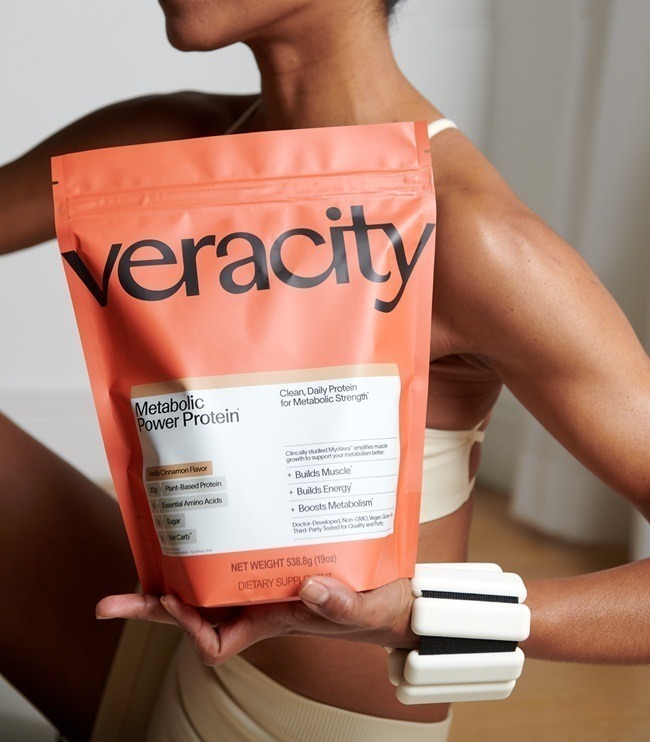
Veracity has launched Metabolic Power Protein, a doctor-developed, plant-based protein supplement formulated with Nutrition21’s patented MyoVera ingredient, positioning the product as a clean, clinically supported solution for building metabolically active muscle. The move marks a strategic expansion from supplements into functional nutrition, reinforcing Veracity’s ambition to become a full-stack metabolic health platform.
Why is Veracity expanding into protein and what does this signal about the next wave of metabolic wellness?
Veracity’s decision to launch Metabolic Power Protein is not simply a product extension. It is a signal of category evolution. The company, best known for its Metabolism Ignite supplement, is leveraging its credibility in science-backed metabolic health to enter the highly saturated but increasingly scrutinized protein powder segment. This new offering is designed not just to serve fitness-oriented consumers but also to meet growing demand among health-conscious users seeking clean-label, effective alternatives that support metabolic function without toxic trade-offs.
By introducing Metabolic Power Protein, Veracity is creating what it positions as a foundational product in a broader system for sustainable weight management and metabolic resilience. The company is moving away from isolated supplement plays and toward a system-based approach that integrates protein, hormone balance, energy management, and muscle function. This system orientation mirrors trends across digital health and consumer wellness, where brands aim to build loyalty through connected, lifestyle-centric product ecosystems.
The core pitch of this launch is not just about plant-based protein. It is about delivering smarter protein—fuel that directly supports the biological engine of metabolism through enhanced muscle protein synthesis. That distinction matters because it reframes protein from a generic fitness supplement into a targeted metabolic intervention, aligned with Veracity’s clinical narrative and regulatory-conscious audience.
What is the role of MyoVera in this launch and how does it change the product’s competitive positioning?
The inclusion of MyoVera, a patented and clinically studied ingredient developed by Nutrition21, is what differentiates Metabolic Power Protein from commodity plant proteins. MyoVera contains two advanced forms of chromium designed to increase amino acid uptake and enhance the body’s ability to synthesize muscle protein. According to Nutrition21, the ingredient can double the rate of muscle protein synthesis, offering enhanced support for lean muscle development, strength improvement, and overall mobility.
For Veracity, this partnership with Nutrition21 gives the brand a scientifically validated hook to compete in a market where most clean-label claims remain surface-level. Rather than marketing the product solely on organic sourcing or plant ingredients, the company is positioning the supplement around efficacy and safe metabolic activation. This is particularly important as more wellness-driven consumers begin to assess protein quality not just by macro content, but by bioavailability, toxicity, and outcome-based claims.
In effect, MyoVera serves as a proprietary ingredient that allows Veracity to command a pricing premium while maintaining clinical legitimacy. It also gives the company a unique formulation story at a time when most brands are struggling to differentiate in a sea of vanilla, chocolate, and marketing fluff.
How is Veracity aligning protein with its broader metabolic health system?
This launch fits squarely within Veracity’s emerging identity as a system-driven metabolic health company. Over the past two years, Veracity’s Metabolism Ignite product has gained traction among users looking for sustained energy, weight regulation, and hormonal balance. The supplement has been marketed as a clinically proven tool to jumpstart metabolism and has reportedly helped over 100,000 users achieve measurable weight loss results.
Metabolic Power Protein is designed to complement this supplement by acting as the nutritional base that powers muscle development, satiety, and long-term metabolic strength. The two products are marketed as synergistic components of a broader system: one initiates metabolic activity, while the other fuels it by supporting lean muscle mass—the most metabolically active tissue in the human body.
Veracity’s strategy is consistent with a shift in wellness from single-function interventions toward lifestyle-compatible systems. Rather than positioning each SKU as a standalone product, the company is inviting consumers to opt into a fully integrated metabolic improvement protocol. This system-centric approach allows for better customer retention, cross-selling potential, and stronger health outcomes tied to the brand’s platform narrative.
Why is heavy metal contamination becoming a central issue in protein supplements?
The protein supplement market has long suffered from quality inconsistencies, but scrutiny over heavy metal contamination is now reshaping consumer expectations. Independent testing by Consumer Reports and the Clean Label Project has shown that a significant percentage of top-selling protein powders, including organic and plant-based options, exceed acceptable daily limits for toxic metals such as lead, cadmium, and arsenic.
These contaminants, though present in trace amounts, can accumulate in the body over time and are associated with long-term damage to kidney function, neurological health, and hormonal balance. For brands that claim to support metabolic health, the presence of such toxins poses not just a regulatory risk but also a fundamental credibility issue.
Veracity has explicitly designed Metabolic Power Protein to meet or exceed California Proposition 65 standards for heavy metals and toxins. This is a meaningful threshold in the U.S. market, where Proposition 65 regulations are among the most stringent for consumer product safety. The company’s move to obtain third-party verification for safety aligns with its medical branding and allows it to differentiate from legacy players who have not adapted to the new scrutiny landscape.
For risk-conscious consumers—particularly women, pregnant individuals, and people managing chronic conditions—this clean-label focus is no longer a bonus; it is a prerequisite. Veracity’s strategy to center safety and science within a lifestyle-compatible product could help it carve out defensible ground in a noisy and increasingly distrusted market segment.
What are the potential execution risks as Veracity expands from supplements to functional nutrition?
While the launch of Metabolic Power Protein fits well within Veracity’s long-term brand thesis, the execution path is not risk-free. Protein consumers fall into multiple demographic buckets: traditional gym-goers seeking performance, wellness-focused users prioritizing ingredient safety, and casual consumers experimenting with smoothies or meal replacements. Each of these audiences has distinct expectations around texture, taste, performance, and price.
Veracity’s prior experience is rooted in supplements, where the sensory and culinary expectations are lower. Protein products, by contrast, are judged heavily on mixability, mouthfeel, and post-consumption effects such as bloating or digestive discomfort. Failure to meet these expectations could limit repeat purchases, even if the underlying science is sound.
Additionally, the brand will need to clearly communicate the role of Metabolic Power Protein within its system. If positioned as merely a clean plant-based protein, the product risks blending into the broader wellness landscape. But if framed as a foundational metabolic tool, integrated with Metabolism Ignite and backed by data, it has a better chance of anchoring the brand’s transition into full-stack nutrition.
Another area of potential friction is the use of premium ingredients like MyoVera. While they bolster the scientific credibility of the product, they also raise cost of goods sold and retail pricing, potentially limiting access for price-sensitive consumers. Veracity will need to balance its clinical narrative with mass-market reach or risk pricing itself into a niche.
What is the broader industry significance of Veracity’s product strategy?
Veracity’s launch reflects a wider convergence of protein supplementation and metabolic health optimization. Traditional protein powder categories were once dominated by sports nutrition brands focused on muscle mass and athletic recovery. Today, however, protein is being reframed as a core tool in weight management, hormonal balance, blood sugar control, and cognitive clarity. This shift is creating space for wellness-first brands to enter the category with differentiated offerings.
The integration of science-backed ingredients like MyoVera marks a move toward clinical validation in a space that has long relied on anecdotal benefits. It also hints at the increasing role of nutraceutical companies like Nutrition21 in bridging the gap between supplements and functional foods. This partnership model—where ingredient providers co-develop or co-brand products—may become more common as consumer expectations around efficacy and safety continue to rise.
If successful, Veracity could serve as a playbook for how targeted supplement companies can move into adjacent categories without diluting their core mission. It also illustrates how consumer health brands are shifting from feature-based claims to outcome-driven systems that promise sustained benefit across multiple dimensions of wellness.
Key takeaways on Veracity’s protein launch and its broader metabolic health strategy
- Veracity has launched Metabolic Power Protein as part of a system-wide metabolic health strategy, expanding beyond supplements into clean-label nutrition.
- The product includes Nutrition21’s patented MyoVera ingredient, designed to double muscle protein synthesis and improve protein utilization.
- The formulation aims to address consumer concerns about toxic heavy metals in existing protein powders, meeting California Prop 65 standards.
- Veracity is positioning protein as a metabolic intervention rather than a sports nutrition product, targeting a broader wellness demographic.
- The product complements the company’s Metabolism Ignite supplement, creating a closed-loop system for long-term metabolic resilience.
- Execution risk lies in maintaining clean-label standards at scale and bridging credibility across both fitness and wellness buyer segments.
- MyoVera’s inclusion gives Veracity a premium pricing narrative but demands clinical communication to build consumer trust.
- Success could signal a new frontier where protein shakes become foundational tools in hormone health, weight regulation, and metabolic correction.
Discover more from Business-News-Today.com
Subscribe to get the latest posts sent to your email.