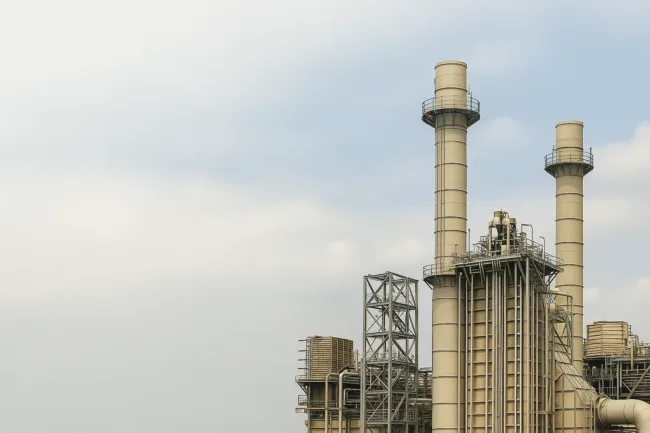
The Nuclear Decommissioning Authority (NDA) and Sellafield Ltd have successfully processed a can of plutonium residue into a stable waste form for the first time in UK history, marking a pivotal step toward disposing of the nation’s separated plutonium inventory. This early success comes less than a year after the UK government’s January 2025 directive tasking the NDA group with immobilising the entire civil plutonium stockpile.
The milestone is being positioned as proof of concept for a wider, multi-decade programme involving the design, testing, and eventual construction of purpose-built immobilisation infrastructure at Sellafield. With an estimated 400 cans of residue already slated for disposal using the current plant, the NDA is also targeting larger volumes of oxide-form plutonium through first-of-a-kind technology. £154 million in early-stage government investment has already been earmarked for development and testing over the next five years.
Why does the UK’s first immobilisation of plutonium residue represent a turning point in nuclear legacy management?
For decades, the United Kingdom has faced a daunting strategic dilemma over what to do with its 100+ tonne stockpile of separated civil plutonium. Much of this inventory, the largest in the world, is in powder oxide form and cannot be easily processed using existing technology. Until now, the long-term solution—turning plutonium into an inert, stable material suitable for permanent geological disposal—has remained conceptual.
The successful processing of a single can of plutonium residue marks a critical operational shift. Conducted using an adapted legacy facility at Sellafield that dates back to the 1980s, the NDA’s milestone shows that even the more problematic residue forms, which historically resisted safe containment, can be immobilised without new-build infrastructure. The material is now ready for future placement in a Geological Disposal Facility (GDF), aligning with long-term nuclear waste policy.
This is not just a symbolic win. It materially accelerates the NDA’s wider programme to remove risk from the UK’s plutonium estate. The residue cans, although a relatively small fraction of the overall inventory, contain complex by-products from historic fuel cycle activities. By proving they can be safely treated and locked away, Sellafield engineers have unlocked new tactical options for sequencing future immobilisation campaigns.
What is the NDA’s long-term strategy for immobilising the rest of the plutonium stockpile?
The residue success sets the foundation for the NDA’s more ambitious and technically challenging task: immobilising the bulk of the UK’s separated plutonium, most of which is stored as an oxide powder with higher radiological risk and stricter handling constraints.
The current Sellafield plant cannot process oxide-form plutonium. Addressing this gap will require designing and deploying new facilities, including a dedicated processing plant and interim storage infrastructure. The NDA aims to demonstrate and validate immobilisation technology over the next several years using a laboratory-scale test environment supported by partners such as the National Nuclear Laboratory.
This staged development model follows a “design-test-scale” approach, with modular facilities expected to support operational roll-out well into the 2040s. By first building out laboratory capabilities and securing proven engineering designs, the NDA is seeking to de-risk major capital expenditure before full-scale commitments.
The £154 million allocated over five years is seen as a down payment on this vision. It is expected to fund not only technology development but also workforce training, supply chain mobilisation, and early procurement. The majority of these funds will support jobs in Cumbria, reinforcing Sellafield’s role as the anchor of the UK’s nuclear clean-up mission.
What are the security, environmental, and geopolitical implications of this milestone?
Plutonium immobilisation is not just a domestic policy issue—it has implications for international nuclear security, non-proliferation credibility, and the UK’s standing within the global civil nuclear ecosystem.
The current storage of plutonium oxide at Sellafield represents a latent security liability, with long-term risks around material degradation, containment breach, or geopolitical instability. Immobilising this material into a chemically inert waste form suitable for geological disposal dramatically reduces these risks by putting the plutonium “beyond reach”—a term now embedded in UK nuclear strategy.
Environmentally, immobilisation aligns with public and political demands for a conclusive end-state for the UK’s nuclear legacy. It also allows future governments to demonstrate visible progress against legally binding waste management and safety commitments, particularly ahead of major decisions on new nuclear deployments.
Strategically, success in developing immobilisation technology could position the UK as an international leader in nuclear waste innovation, potentially exporting solutions or collaborating with other nations facing similar plutonium legacies. This is particularly relevant given the global resurgence of interest in nuclear energy, where legacy management credibility can influence public buy-in and licensing regimes.
What is the institutional response and what happens next at Sellafield?
The milestone has drawn praise across institutional, regulatory, and political channels. David Peattie, Chief Executive Officer of the NDA group, framed the success as “unrivalled expertise” from the Sellafield team, achieved within 12 months of the policy directive. Euan Hutton, Chief Executive Officer of Sellafield Ltd, described the breakthrough as the start of a decades-long campaign that will define the site’s mission for the foreseeable future.
The UK Minister for Science, Innovation, Research and Nuclear, Lord Vallance, emphasised national leadership and innovation, using the milestone to signal long-term government commitment to nuclear clean-up and workforce investment.
From an operational standpoint, Sellafield’s current focus will be to continue processing the remaining 399 cans of plutonium residue while simultaneously progressing the design of next-generation immobilisation facilities. The NDA’s delivery organisations—including Sellafield Ltd and Nuclear Waste Services—will also work alongside the UK National Nuclear Laboratory and engineering partners to expand laboratory-scale demonstration capacity.
The early success of the residue programme is expected to build momentum toward the NDA’s next policy milestone: the approval of a full immobilisation plan for the oxide inventory, supported by costed timelines and a more formalised infrastructure procurement strategy. This decision point is likely to arrive within the next two to three years.
How does this align with broader energy and nuclear policy in the United Kingdom?
This development fits within the broader UK energy landscape, where nuclear is being reasserted as a core pillar of low-carbon power and industrial sovereignty. As projects like Hinkley Point C progress and Small Modular Reactor (SMR) ambitions rise, the government must simultaneously demonstrate that it can responsibly handle the legacy of previous nuclear activity.
In that sense, immobilisation of plutonium is the necessary counterpart to nuclear expansion. It provides political cover, policy credibility, and stakeholder reassurance. With the government pushing for more domestic capacity across the nuclear fuel cycle, from enrichment to reprocessing alternatives, waste resolution strategies like this one will shape how new projects are evaluated and permitted.
The convergence of clean-up and new build strategy is no accident. NDA group messaging suggests that successful execution of this legacy programme could eventually free up site resources, technical staff, and public goodwill for new-build programmes in the decades ahead.
Key takeaways: What the UK’s plutonium residue breakthrough means for long-term nuclear strategy
- The Nuclear Decommissioning Authority and Sellafield Ltd have processed the first plutonium residue can into a stable waste form, enabling future geological disposal.
- This marks a strategic shift from storage to disposal, advancing the UK’s plan to neutralise its civil plutonium stockpile.
- A £154 million early-stage investment is funding design and test facilities for treating more hazardous oxide-form plutonium at Sellafield.
- The current milestone sets a precedent for adapting legacy infrastructure instead of waiting for costly new-build solutions.
- Long-term strategy includes deploying first-of-a-kind immobilisation facilities that can support national and global waste management leadership.
- The breakthrough significantly reduces long-term safety and security risks tied to the world’s largest separated plutonium inventory.
- Political and institutional sentiment has been strongly supportive, with the programme positioned as central to the UK’s nuclear cleanup mission.
- Success will enhance the credibility of future UK nuclear projects and could lead to exportable technologies in nuclear waste immobilisation.
Discover more from Business-News-Today.com
Subscribe to get the latest posts sent to your email.