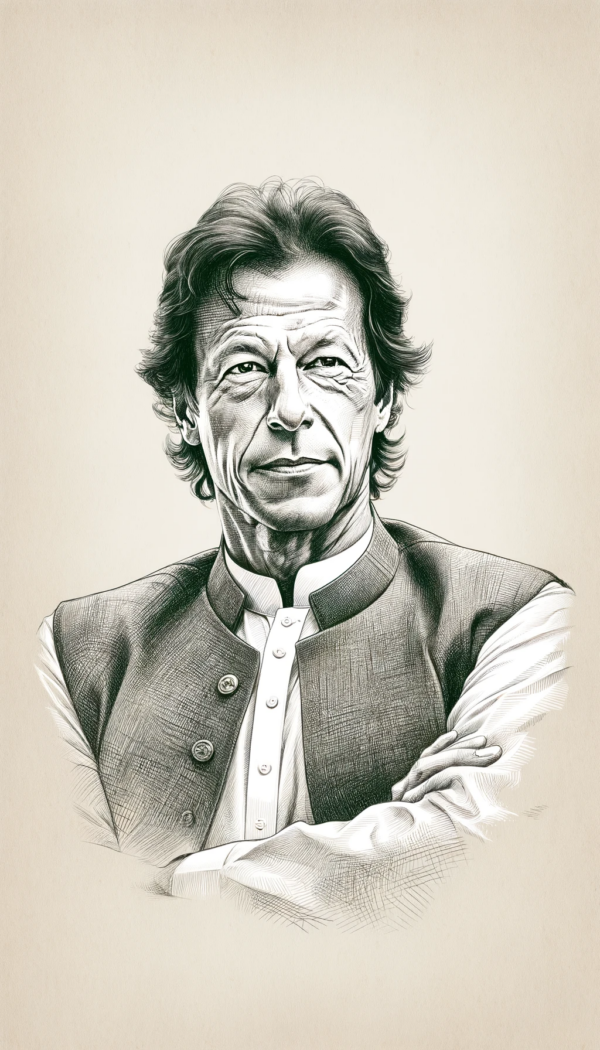




The United States has moved to revoke the visa of Colombian president Gustavo Petro after he delivered a fiery speech at a pro-Palestinian demonstration in New York during the United Nations General Assembly. Petro had joined protesters outside the UN headquarters and accused Israel of genocide while calling for the creation of a “world army” larger than that of the United States to liberate Palestine. What turned the demonstration from symbolic protest into a diplomatic crisis was Petro’s direct call for U.S. soldiers to disobey the orders of President Donald Trump and instead obey what he described as “the order of humanity.”
The U.S. State Department said the remarks crossed a red line and described them as reckless and incendiary. The visa revocation is a highly unusual step, particularly against a sitting head of state attending a UN-mandated event. Washington justified the move on national security grounds, arguing that Petro’s words amounted to encouraging insubordination within the U.S. military. For Petro, the incident has become a rallying point, allowing him to cast himself as a defender of humanitarian principles against what he calls imperial overreach.
How significant is the revocation of a visa for a sitting head of state attending the United Nations?
The revocation of Gustavo Petro’s visa carries enormous symbolic weight because the United States is obliged under international agreements to allow foreign leaders access to UN meetings. Heads of state traditionally enjoy diplomatic immunity, ensuring they can travel freely for multilateral obligations regardless of political disputes. By stripping Petro’s U.S. visa, Washington has pushed beyond established diplomatic convention and into contested legal territory.
Petro quickly responded by accusing the United States of violating international law. He pointed out that as a president invited to a UN session, his ability to enter the U.S. was supposed to be guaranteed. In Bogotá, his government framed the U.S. action as a breach of sovereignty and a deliberate humiliation. Petro himself dismissed the decision personally, saying he did not care about losing his U.S. visa because he also holds European citizenship and considers himself a “free person in the world.”
For international observers, the controversy has raised questions about whether the U.S. can weaponize visa policy as a tool against leaders it views as hostile. The precedent recalls the 1996 case of Colombian president Ernesto Samper, whose visa was revoked amid drug cartel corruption allegations, but this case differs in that Petro’s punishment was triggered by speech made during an official UN visit rather than criminal accusations.
What does this reveal about tensions in US-Colombia relations under Petro’s presidency?
The rupture exposes the growing strain in relations between Washington and Bogotá since Petro assumed office. For decades, Colombia has been one of the closest U.S. allies in Latin America, anchored by military cooperation and joint counter-narcotics initiatives. The U.S. has provided billions of dollars in security assistance through Plan Colombia and subsequent frameworks, while Colombia has often aligned with Washington in regional diplomacy.
Petro, a former guerrilla fighter and leftist leader, has disrupted that alignment. He has sharply criticized U.S. drug policy, opposed the resumption of aerial fumigation campaigns, and advocated for new approaches to narcotics that prioritize development over enforcement. He has also sought to expand Colombia’s diplomatic ties with progressive and anti-imperialist governments in Latin America, aligning with regional leaders who often clash with Washington. His harsh rhetoric against Israel and the United States during the New York protest only deepened suspicions in Washington that his foreign policy seeks to distance Colombia from its long-standing U.S. partnership.
Institutional sentiment reflects this divide. U.S. policymakers worry that Petro is repositioning Colombia as a less reliable ally just as Washington faces intensifying strategic competition in the hemisphere from China and Russia. Colombian officials, by contrast, argue that their president is seeking a more independent and sovereign voice on global issues, one that reflects domestic demand for change after decades of U.S.-backed security interventions.
How are Petro’s remarks on Palestine and Trump being interpreted internationally?
At the demonstration, Petro did more than criticize Israeli policy. He accused Israel of committing genocide in Gaza and called for the mobilization of a global force greater than that of the United States. He urged soldiers in the U.S. army not to follow Trump’s orders if those orders contradicted “the order of humanity.” To many in Washington, this amounted to urging insubordination in the U.S. armed forces—an intolerable act from a foreign leader on American soil.
Internationally, reactions have been divided. Some governments and advocacy groups sympathetic to the Palestinian cause praised Petro for taking a bold stand at the UN and bringing attention to what they consider one of the defining humanitarian crises of the era. Others, however, warned that his rhetoric risked inflaming conflict and undermining diplomacy.
For European policymakers, the episode also introduces a delicate question. Petro claimed he is not overly concerned about losing his U.S. visa because of his European citizenship, but European governments may find themselves pressured to clarify their stance on his increasingly confrontational rhetoric. If the U.S. expands sanctions or other measures against him, Europe may face the decision of whether to support Washington’s approach or carve out a more neutral position.
Could this crisis reshape Colombia’s alliances in Latin America and beyond?
The fallout from the visa revocation could reverberate across Latin America, where many governments remain wary of U.S. influence. Petro has long sought to position himself as a leader of the region’s left and an advocate for sovereignty against external powers. The confrontation with Washington could bolster his standing among sympathetic governments such as Venezuela, Bolivia, and Cuba, while also strengthening ties with non-Western powers like China and Russia that have been eager to expand their influence in the hemisphere.
However, there are risks for Colombia. The country still relies heavily on U.S. trade, investment, and military assistance. Alienating Washington could jeopardize programs that support Colombia’s peace process and counter-narcotics operations. Colombian businesses and financial institutions also depend on access to U.S. markets, and uncertainty in bilateral relations could dampen investor confidence.
Market sentiment has already turned cautious, with analysts noting that further deterioration in ties could affect Colombia’s sovereign credit outlook. Any perception of instability or policy drift could trigger capital outflows and weaken the peso. For investors, the episode highlights the vulnerability of emerging markets to geopolitical shocks and the way political rhetoric can spill over into financial risk.
What does this signal about US policy and the use of visas as diplomatic tools?
The U.S. decision to revoke Gustavo Petro’s visa signals that Washington is willing to use every available instrument of statecraft, including visa privileges, to discipline foreign leaders who cross perceived red lines. While Washington has long revoked visas for businesspeople, oligarchs, and officials tied to corruption or crime, extending this practice to a sitting head of state at the UN General Assembly represents an escalation.
From the U.S. perspective, Petro’s remarks touched on military discipline, a core matter of national security. By framing his words as incitement for soldiers to disobey the commander-in-chief, Washington found justification for extraordinary measures. But critics argue that this interpretation dangerously blurs the line between speech and incitement, and could allow future administrations to punish leaders simply for criticizing U.S. policy.
Diplomatic experts caution that the move could undermine the universality of the UN system if other governments follow suit. If hosting countries begin denying visas to leaders based on political disagreements, the neutrality of multilateral diplomacy could be eroded.
How could the US visa revocation for Gustavo Petro reshape Colombia’s diplomacy, regional alliances, and long-term relations with Washington?
The revocation of Gustavo Petro’s visa is more than a diplomatic dispute—it is a signal of shifting alignments and escalating tensions between Colombia and its most powerful ally. The U.S. has demonstrated that it will not tolerate challenges to its authority on its own soil, even if that means pushing against long-standing diplomatic norms. Petro, meanwhile, has seized the opportunity to frame himself as a global voice for anti-imperialism and humanitarian causes, even at the cost of deepening isolation from Washington.
Going forward, much depends on whether cooler heads in both capitals can de-escalate the confrontation. Colombia has strong economic incentives to maintain a working relationship with the United States, while Washington risks losing a crucial ally in a region where geopolitical competition is intensifying. The UN, Europe, and Latin American blocs may all play roles in mediating tensions.
For now, the episode highlights how a single speech at a protest can ripple across the global order, reshaping alliances, unsettling markets, and raising questions about the limits of U.S. power in multilateral diplomacy. Whether it becomes a turning point in Colombia’s foreign policy or a temporary diplomatic storm will depend on the choices Petro and Washington make in the weeks ahead.
Discover more from Business-News-Today.com
Subscribe to get the latest posts sent to your email.