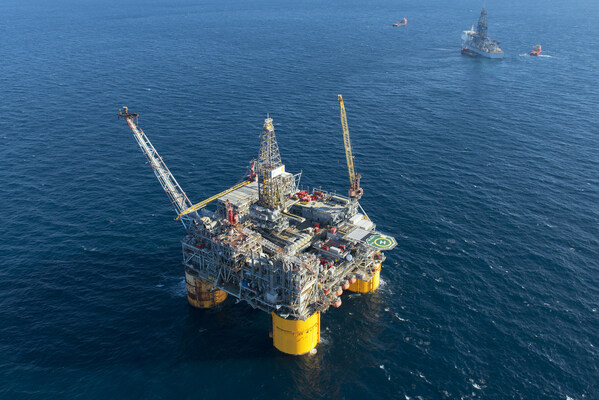
French oil and gas giant TotalEnergies SE is set to acquire a 42.5 percent operated interest in the PEL104 offshore exploration license in Namibia, expanding its control over one of the country’s most prospective frontier basins. The transaction strengthens TotalEnergies’ operatorship footprint alongside Petrobras and the National Petroleum Corporation of Namibia, reinforcing its ambition to anchor a long-term offshore oil hub around the Venus and Mopane discoveries.
The deal follows TotalEnergies’ December agreement with Galp Energia SGPS SA that positioned it as operator of Namibia’s two largest oil discoveries, signaling a coordinated capital allocation strategy rather than a standalone acreage grab.
Why TotalEnergies is accelerating operatorship in Namibia instead of waiting for Venus and Mopane final investment decisions
TotalEnergies’ decision to assume operatorship of PEL104 before final investment decisions on Venus and Mopane reflects a deliberate effort to control basin-wide exploration optionality rather than locking capital solely into appraisal and development. By expanding its operated acreage in the Lüderitz Basin, the company is building a contiguous exploration and development envelope that allows shared subsurface understanding, seismic reuse, and phased drilling campaigns.
This approach reduces the risk that Venus and Mopane evolve into isolated projects with limited upside beyond their currently defined resource envelopes. For TotalEnergies, operatorship matters because it dictates the pace of work programs, capital discipline, and technical sequencing, especially in deepwater frontier settings where timing missteps can compound costs quickly.
The move also suggests that management sees Namibia as more than a single-cycle bet. By acquiring PEL104 while appraisal activity continues elsewhere, TotalEnergies is effectively buying future options at a stage when acreage competition remains limited and geological learnings from earlier wells can be leveraged at marginal incremental cost.

How the Lüderitz Basin PEL104 license fits into a broader offshore Namibia exploration and development strategy
PEL104 covers approximately 11,000 square kilometers offshore Namibia in the Lüderitz Basin, a region that remains underexplored relative to the Orange Basin where Venus and Mopane sit. By entering PEL104 as operator with a 42.5 percent stake, TotalEnergies positions itself to test basin extension theories that could materially expand Namibia’s recoverable resource base.
The joint venture structure places Petrobras alongside TotalEnergies at equal working interests, with the National Petroleum Corporation of Namibia retaining a meaningful carried position. This composition balances technical depth with national alignment, a factor that becomes increasingly important as exploration transitions toward development planning and fiscal negotiations.
From a portfolio perspective, Lüderitz offers geological diversification within the same regulatory regime. If successful, discoveries there could be tied conceptually and logistically into a future multi-field hub, strengthening economies of scale for subsea infrastructure, floating production systems, and export logistics.
What TotalEnergies’ growing Namibian portfolio says about confidence in frontier deepwater economics
Frontier deepwater exploration has struggled globally in recent years due to capital discipline pressures and volatile oil prices. TotalEnergies’ increasing exposure in Namibia runs counter to that caution, indicating confidence that the country’s offshore resources can compete on a full-cycle basis with mature deepwater provinces.
This confidence is underpinned by several factors. Namibia offers relatively benign offshore conditions compared with ultra-deepwater basins elsewhere, improving operational reliability. The scale of Venus and Mopane also supports hub development economics, where infrastructure costs are amortized across multiple fields.
By layering PEL104 onto existing discoveries, TotalEnergies improves its ability to sequence investments, delay high-capex phases if needed, and prioritize exploration that enhances overall project net present value rather than isolated well success metrics.
How partnerships with Petrobras, Galp Energia, and Namcor shape execution risk and capital discipline
The Namibia portfolio brings together a mix of international majors and national stakeholders, each with distinct strategic incentives. Petrobras’ presence alongside TotalEnergies in PEL104 introduces a technically capable partner with deepwater experience, but also one whose capital priorities are influenced by Brazil-centric mandates.
The earlier Galp Energia transaction added complexity through capital carry arrangements on Mopane, where TotalEnergies agreed to fund half of Galp’s capital expenditures in exchange for future cash flow repayment. This structure improves near-term project momentum but increases TotalEnergies’ upfront capital exposure.
The National Petroleum Corporation of Namibia’s consistent participation across licenses strengthens government alignment but also implies heightened scrutiny on local value creation, fiscal stability, and development timelines. Operatorship allows TotalEnergies to manage these competing interests proactively, rather than reacting to partner-driven schedules.
What regulatory approvals and local expectations could mean for project timelines and investor perception
Both the PEL104 transaction and the earlier Galp deal remain subject to customary approvals from Namibian authorities and joint venture partners. While Namibia has signaled strong support for offshore development, regulatory capacity will be tested as multiple large projects move toward appraisal and potential sanctioning.
For investors, the key risk is not outright rejection but timeline slippage. Delays in approvals, environmental permitting, or fiscal stabilization could push final investment decisions beyond current expectations, affecting project valuation and capital deployment forecasts.
That said, TotalEnergies’ long operating history in Namibia and its existing downstream footprint provide a level of institutional familiarity that may help smooth negotiations. The company’s emphasis on multi-energy opportunities also aligns with national development narratives that extend beyond oil revenues alone.
How this move reshapes competitive dynamics in Africa’s next offshore oil province
Namibia has rapidly become one of Africa’s most closely watched offshore frontiers, drawing interest from majors and independents alike. TotalEnergies’ consolidation of operatorship across multiple licenses raises the competitive bar for new entrants, particularly those lacking deepwater execution track records.
By controlling the technical narrative and exploration tempo, TotalEnergies can shape how data is interpreted, which prospects are prioritized, and how development concepts evolve. This creates a soft moat around its position, even without exclusive acreage control.
For competitors, the window to establish comparable scale in Namibia may be narrowing. As appraisal advances and infrastructure concepts crystallize, late entrants could face higher entry costs or limited strategic relevance.
How institutional investors are assessing TotalEnergies’ rising Namibia exposure and what market attention will shift to next
Public market reaction to TotalEnergies’ Namibia strategy has been muted, reflecting a broader investor preference for cash returns and disciplined capital spending over frontier growth narratives. However, institutional sentiment remains cautiously constructive, particularly if Venus and Mopane demonstrate clear pathways to competitive breakeven costs.
Markets will focus less on exploration acreage accumulation and more on milestones such as appraisal results, development concept clarity, and cost estimates. Operatorship expansion will be viewed positively only if it translates into improved execution control rather than escalating capital commitments.
Failure to progress toward sanctionable developments within a reasonable timeframe could shift sentiment, reinforcing skepticism around long-cycle offshore investments. Conversely, a credible hub development plan could reframe Namibia as a material contributor to TotalEnergies’ medium-term production profile.
Key takeaways on what TotalEnergies’ Namibia expansion means for offshore exploration, partners, and investors
- TotalEnergies is consolidating operatorship in Namibia to control basin-wide exploration and development sequencing rather than pursuing isolated projects.
- The PEL104 acquisition expands optionality in the underexplored Lüderitz Basin while leveraging learnings from Venus and Mopane.
- Operatorship strengthens TotalEnergies’ ability to manage partner alignment, capital discipline, and regulatory engagement.
- The strategy signals confidence that Namibia can support a multi-field deepwater hub with competitive full-cycle economics.
- Capital carry arrangements and increased working interests raise near-term exposure but may accelerate appraisal momentum.
- Regulatory approvals remain a timing risk rather than a deal-breaking threat, with execution pace now the key variable.
- Competitive dynamics increasingly favor incumbents with scale and operatorship control in Namibia’s offshore sector.
- Investors will judge success by progress toward sanctionable developments, not by acreage accumulation alone.
Discover more from Business-News-Today.com
Subscribe to get the latest posts sent to your email.