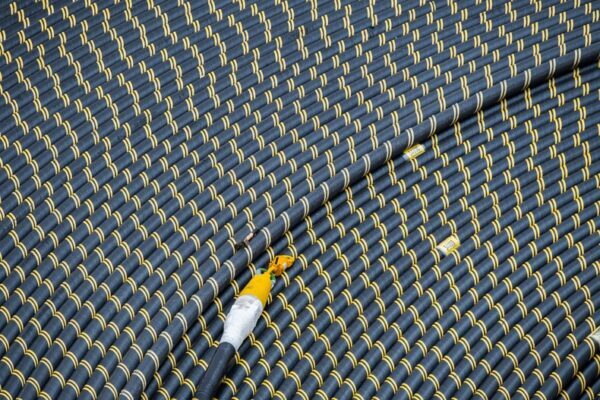
SSEN Transmission, the electricity transmission business of SSE plc, has secured provisional approval from the UK energy regulator Ofgem to move forward with the long-anticipated Orkney transmission link. This decision clears the regulatory path for a critical infrastructure project designed to connect the Orkney Islands to the British electricity transmission network for the first time in history. Once complete, the Orkney link will ensure that all three of Scotland’s major island groups—Shetland, the Western Isles, and now Orkney—are integrated into the Great Britain (GB) transmission system.
The Orkney transmission link is expected to deliver approximately 220 megawatts (MW) of new renewable electricity generation capacity into the national grid. The project consists of a new substation at Finstown in Orkney and a 57-kilometer subsea cable connecting it to a newly constructed substation at Dounreay in Caithness, mainland Scotland. The infrastructure is specifically designed to facilitate the export of wind-generated electricity from Orkney’s growing fleet of onshore and potentially offshore renewable assets.
How does the Orkney transmission link support Scotland’s net zero and energy security goals?
The green light from Ofgem represents a turning point in Scotland’s decarbonisation strategy. By enabling the final major island group to join the GB grid, the Orkney transmission link significantly expands the scope for renewable integration in the UK’s electricity system. Orkney, already a pioneer in community-owned wind and tidal power, has long been constrained by limited export capacity. The new link will allow local projects to scale up, supporting both UK-wide energy security targets and the Scottish Government’s 2030 climate ambitions.
In a statement, SSEN Transmission Managing Director Rob McDonald called the regulatory milestone “hugely significant,” noting it completes the strategic objective of island integration: “We are delighted Ofgem has provisionally approved our well-advanced plans for a new transmission link to Orkney, which is a hugely significant milestone in finally unlocking Orkney’s vast renewable potential and is the final piece in the jigsaw in connecting Scotland’s three main island groups.”
McDonald added that the approval supports a “pathway to net zero emissions,” pointing to local and national socio-economic benefits that will arise from the project’s construction and operational phases.
What hurdles did SSEN Transmission face before securing Ofgem’s approval?
SSEN Transmission first submitted its business case for the Orkney link in March 2018, making this approval the result of a five-year regulatory process. Initially, Ofgem was cautious about endorsing a high-cost transmission asset without guaranteed generation volume. To protect consumers, the regulator imposed specific conditions on the investment, requiring a minimum threshold of generation projects on Orkney to secure consent before proceeding.
The most critical of these conditions was the consent of sufficient renewable energy capacity on the islands. Progress was slow until December 2022, when the Faray Wind Farm received planning approval, tipping the balance in favor of project viability. With that development, SSEN Transmission satisfied Ofgem’s criteria for committed generation, allowing the regulator to move forward with conditional approval.
This milestone follows similar decisions made in 2022 regarding Shetland and the Western Isles. Ofgem approved the Western Isles link in December 2022 and greenlit continued work on the Shetland connection, demonstrating its confidence in the long-term necessity of integrating remote island renewables into the national system.
What does the Orkney link mean for renewable energy developers and investors?
The project’s approval signals a major opportunity for renewable energy developers operating in and around Orkney. The region boasts some of the highest wind and tidal energy potential in Europe. Yet, until now, grid constraints have held back commercial-scale projects. With transmission capacity of up to 220MW, the Orkney link opens the door to a pipeline of projects that had been stalled due to limited grid export options.
Institutional investors are likely to welcome the clarity that Ofgem’s decision brings. While island grid links are capital-intensive and involve long payback periods, they provide critical infrastructure to enable the next wave of green energy growth. Analysts observing the sector note that this kind of regulatory certainty helps de-risk development timelines for wind farm operators and transmission partners alike.
According to public statements, SSEN Transmission has been working closely with the Orkney Islands Council, local communities, and renewable developers to build a shared understanding of the project’s socio-economic value. The utility has framed the link not only as a technical necessity but as an enabler of regional prosperity, including new employment and supply chain opportunities across the Highlands and Islands.
How will the Orkney transmission link be constructed and financed?
The Orkney transmission project includes several key infrastructure components: the 220MW subsea cable itself, two new substations (one on Orkney, one at Dounreay), and associated onshore reinforcement works. SSEN Transmission has not disclosed a final investment figure for the project at this stage of approval, though previous cost estimates for similar links (such as Shetland and the Western Isles) have ranged between £600 million and £700 million.
SSEN Transmission is expected to finance the majority of the capital expenditure through SSE’s regulated asset base (RAB) model, which allows infrastructure investments to be repaid over time through regulated electricity charges. Ofgem’s role is to ensure that costs are economically justified, and that consumer impact remains within acceptable limits.
Given the technical complexity of installing 57 kilometers of subsea high-voltage cable in a sensitive marine environment, construction will require specialized contractors and environmental assessments. The project’s construction phase is anticipated to take several years, depending on seasonal weather windows and procurement timelines.
Why are Scottish island links critical to the UK’s future energy strategy?
The UK’s long-term decarbonisation strategy depends on making full use of its geographically diverse renewable resources. Scotland’s islands—Shetland, Orkney, and the Western Isles—offer unmatched wind and marine energy potential but require major infrastructure upgrades to feed power into the mainland grid.
In this context, the Orkney transmission link is not just a local milestone but part of a national imperative. The UK Government’s target of decarbonising the electricity grid by 2035 relies on integrating large volumes of renewable capacity. Projects like Orkney, which were once considered marginal due to location, now stand at the center of energy transition plans.
In parallel, National Grid ESO and the Scottish Government have both endorsed large-scale transmission expansion under frameworks like the Holistic Network Design (HND), which prioritises strategic investments for net zero alignment. While Ofgem has pushed back against speculative spending in the past, recent approvals reflect a policy shift toward preemptive infrastructure deployment to avoid future bottlenecks.
Orkney link approval marks a strategic milestone in island energy integration
Ofgem’s provisional approval of the Orkney transmission link marks a pivotal development in Scotland’s transition to a net zero energy system. For SSEN Transmission, the decision represents the culmination of a multiyear campaign to justify the economic and environmental case for connecting Orkney to the national grid. For Orkney’s renewable developers, it unlocks long-awaited capacity to export green power to the mainland.
The project will have lasting implications not just for island communities, but for the UK’s broader decarbonisation trajectory. As SSEN Transmission prepares to move into the delivery phase, the Orkney link stands as a symbol of how regulatory certainty and infrastructure investment can converge to enable transformational change in the energy landscape.
Discover more from Business-News-Today.com
Subscribe to get the latest posts sent to your email.