What is the biological source and geographical origin of spearmint used in herbal medicine today?
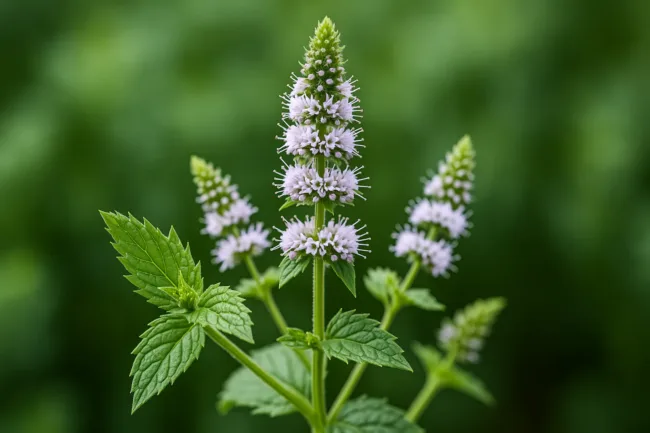
Spearmint, scientifically referred to as Mentha spicata, is a member of the Labiatae family, commonly known as the mint family. It is widely recognized by its spear-shaped leaves, soothing green color, and signature mild mint aroma. This medicinal plant has been traditionally used across multiple continents for its calming, digestive, and aromatic properties. The botanical material used in herbal medicine includes the dried leaves and flowering tops of the plant. In addition to Mentha spicata, some synonyms like Mentha cardiaca and Mentha virdis are used interchangeably in regional pharmacopoeias due to similar morphology and phytochemistry.
Spearmint is indigenous to Europe but has found expansive cultivation across North America and Asia. In the United States, commercial spearmint farming thrives in regions such as Washington, Michigan, Indiana, and Idaho, with the Yakima Valley of Washington known for producing high-quality crops due to its rich soil and ideal climate. These environmental conditions support the optimal development of spearmint’s essential oils and therapeutic phytoconstituents.
What are the key chemical constituents of spearmint that make it beneficial for health and wellness?
Spearmint owes much of its therapeutic value to its volatile essential oil content, which is concentrated in the glandular trichomes of its leaves and flowering tops. The most dominant chemical compound in spearmint oil is carvone, a monoterpene ketone responsible for its sweet and mild minty fragrance. Carvone acts not only as a sensory component but also as a bioactive compound with pharmacological benefits.
Alongside carvone, the essential oil profile includes other constituents such as linalool, which has a calming and aromatic quality, pinene, which exhibits anti-inflammatory and bronchodilatory properties, cineole (also known as eucalyptol), which supports respiratory and mucolytic activity, and phellandrene, a compound contributing to the herb’s fresh, citrusy notes. These volatile oils are extracted through steam distillation, producing a light yellow oil that retains the full complexity of the plant’s aroma and medicinal potential.
Beyond volatile oils, spearmint contains resins and tannins. Resins support topical healing by forming protective barriers over wounds, while tannins have astringent qualities that benefit gut health and help soothe gastrointestinal mucosa. This combination of constituents makes spearmint both versatile and gentle in therapeutic use.

How does spearmint support digestion and help manage symptoms like gas, bloating, and stomach cramps?
The most historically validated use of spearmint is as a carminative, a category of herbs that reduce gas and relieve bloating and intestinal discomfort. The active compounds in spearmint, especially carvone and cineole, have smooth muscle relaxant properties that act on the gastrointestinal tract. This action helps reduce involuntary spasms, ease bowel movements, and improve digestion. Individuals suffering from conditions like mild irritable bowel syndrome (IBS), indigestion, or functional bloating may find spearmint preparations useful in easing discomfort.
These digestive benefits are commonly harnessed in the form of spearmint tea, tinctures, and infused oils. The warm water in tea helps release the essential oils, while its ingestion promotes peristalsis and calms overactive gut contractions. Additionally, the pleasant taste and aroma of spearmint make it an ideal component in chewable digestive aids or post-meal beverages designed to alleviate the heavy feeling that often follows large or spicy meals.
Why is spearmint commonly used in toothpaste, mouthwash, and other personal care products?
Spearmint’s gentle yet refreshing flavor makes it an ideal ingredient for oral hygiene and cosmetic formulations. Unlike peppermint, which contains high levels of menthol that can be too intense for sensitive users, spearmint has a milder sensory profile dominated by carvone. This makes it particularly suitable for toothpaste and mouthwash products, especially those intended for children or individuals with sensitive gums.
In toothpaste, spearmint not only contributes to a pleasant brushing experience but also imparts mild antimicrobial properties that help support a healthy oral microbiome. In mouthwash, spearmint complements other ingredients by offering a cooling sensation and helping neutralize bad breath through its aromatic oils. The oils may also contribute to mild plaque reduction and gum tissue stimulation when used regularly.
Cosmetic products like lip balms, facial cleansers, and soaps often include spearmint essential oil for its invigorating scent and refreshing skin feel. The oil is also used in massage blends and bath products as a mild stimulant that can uplift mood and promote a sense of clarity without the harshness of stronger mint species.
How is spearmint used in food and what role does it play in culinary digestion aids?
Spearmint has a well-established place in global culinary traditions. In Mediterranean and Middle Eastern cuisines, spearmint is commonly added fresh or dried to salads, yogurt-based sauces, and meat dishes to enhance flavor and aid digestion. In India and parts of Southeast Asia, spearmint is often included in herbal chutneys and digestive teas that are consumed after meals.
In Western cooking, spearmint is popular in sweet dishes like mint chocolate and is often used as a garnish for desserts or refreshing summer beverages. Spearmint syrup and oil are also used in artisanal cocktail bitters, ice creams, and fruit-based sauces. In all these roles, the plant contributes not just taste, but also functional digestive benefits, supporting bile secretion and reducing heaviness and gas formation after heavy meals.
The gentle nature of spearmint’s flavor and its compatibility with both savory and sweet dishes make it one of the most adaptable culinary herbs, especially in recipes designed to support gastrointestinal comfort.
What therapeutic benefits beyond digestion are associated with spearmint in modern herbal medicine?
Spearmint has begun to gain recognition beyond its digestive properties, with ongoing research exploring its broader physiological effects. Studies suggest that spearmint may exert anti-inflammatory activity, likely through compounds such as pinene and carvone, which help modulate pro-inflammatory cytokines. This makes spearmint a gentle option for those managing conditions involving mild inflammation, such as sore throats or sinus congestion.
Spearmint is also being explored for its potential hormonal modulation. Preliminary research has shown that spearmint tea may help reduce excess androgen levels in women with mild hirsutism or polycystic ovary syndrome (PCOS), thereby supporting natural hormonal balance. Though early findings are promising, larger clinical trials are needed to confirm these endocrine effects.
In aromatherapy, spearmint oil is used for cognitive clarity and mood enhancement. Its fragrance is uplifting without being overstimulating, and it can be used in diffusers or diluted for topical application to promote focus, reduce fatigue, and ease mild headaches. Some evidence also supports its mild analgesic effects when used in massage oils for muscle tension and joint discomfort.
How is spearmint oil extracted and what ensures its quality for commercial and medicinal use?
The essential oil of spearmint is typically extracted through steam distillation, a process that involves heating the plant material with steam to release its volatile components. As the steam carries these oils upward, they condense in a cooling chamber, where the oil is separated from water and collected. The distillation process is highly dependent on timing and temperature, as over-distillation can degrade delicate compounds, while under-distillation may leave behind valuable phytochemicals.
Quality control in spearmint oil production is crucial to ensure consistency in aroma, flavor, and therapeutic potency. Gas chromatography–mass spectrometry (GC-MS) is commonly employed to identify the presence and proportion of key constituents like carvone, linalool, and cineole. High-grade spearmint oil will contain a significant percentage of carvone, typically ranging from 50% to 70%, depending on the cultivar and growing conditions.
To maintain therapeutic efficacy and safety, commercial spearmint oil must also be tested for pesticide residues, microbial contamination, and adulteration. Standardization ensures that herbal preparations, whether used for pharmaceutical, food, or cosmetic applications, consistently deliver the desired biological effects.
Why is spearmint considered a safe and versatile herb in modern plant-based pharmacology?
Spearmint stands out among herbal remedies for its safety profile, widespread availability, and wide-ranging applications. Unlike many stronger botanicals, spearmint is well-tolerated even at higher doses, and adverse effects are rare when used in standard culinary or therapeutic quantities. This makes it an attractive option for individuals seeking mild, plant-based interventions for common health complaints such as digestive discomfort, mild inflammation, or fatigue.
Its essential oil, while more concentrated, can be used safely when diluted with carrier oils or integrated into properly formulated products. Spearmint’s compatibility with other herbs and essential oils also makes it an ideal component in blended formulas used in aromatherapy, skin care, or gut health routines.
In the context of modern plant-based medicine, spearmint continues to bridge traditional use and evidence-based applications. As interest grows in natural solutions for everyday wellness, spearmint offers a compelling mix of aroma, safety, and function that aligns with contemporary health philosophies.
What makes spearmint relevant in current conversations about herbal remedies and natural health?
As the healthcare industry continues to explore the value of plant-based interventions, spearmint remains a notable example of how ancient botanical wisdom can inform modern therapeutic practices. Its essential oil chemistry, dominated by carvone and supported by secondary compounds like linalool and cineole, makes it uniquely suited for treating common conditions in a gentle, non-invasive manner. Whether consumed as tea, inhaled as aromatherapy, or applied in a cosmetic blend, spearmint offers tangible physiological benefits supported by centuries of use and emerging scientific validation.
Spearmint also meets the modern demand for sustainable, multi-use botanicals that are effective without being aggressive. Its role in digestive support, hormonal modulation, mood elevation, and personal care products illustrates its wide-ranging utility. In a world increasingly focused on clean, natural, and multifunctional health solutions, spearmint continues to earn its place as a staple of both traditional and modern herbal pharmacology.
Discover more from Business-News-Today.com
Subscribe to get the latest posts sent to your email.