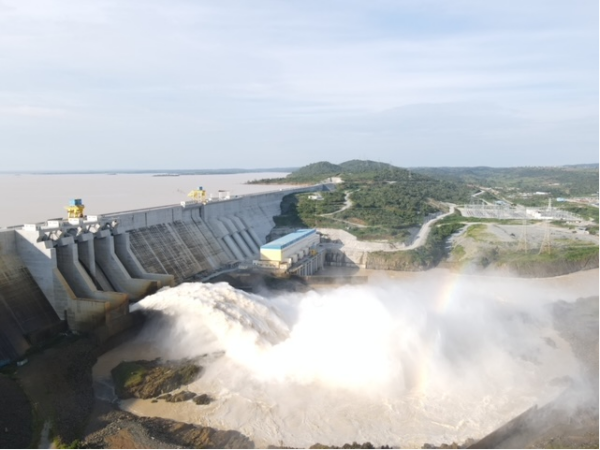




Smoky Mountain Holdings LLC, a joint venture between Argo Infrastructure Partners and Brookfield Corporation (NYSE: BN, TSX: BN), has closed a $435 million senior secured notes financing, marking a first-of-its-kind transaction in the U.S. private placement market. The deal, which blends fixed and variable amortization features, was met with strong investor demand, with both tranches oversubscribed. The financing will reinforce the Tennessee Valley’s supply of carbon-free hydroelectric energy and support the region’s surging data center and AI-driven electricity demand.
The funding comes less than a year after Smoky Mountain Holdings secured a 10-year power purchase agreement (PPA) with the Tennessee Valley Authority (TVA) in 2024. Under that contract, Smoky’s four hydroelectric facilities—Cheoah, Calderwood, Chilhowee, and Santeetlah—will deliver more than 14 gigawatt-hours (GWh) of renewable energy annually, preventing an estimated 11 million metric tons of carbon dioxide emissions over the decade.
Why this financing is a milestone for U.S. clean energy markets
According to Argo Director Brice Soucy, the transaction’s innovative structure reflects Smoky’s position as a “best-in-class, flexible, and dispatchable clean energy portfolio.” By pairing fixed and variable amortization elements in a private placement, Smoky has effectively opened a new financing pathway for large-scale renewable infrastructure.
The deal is also notable for its timing. As energy analysts point out, the Tennessee Valley is experiencing a major surge in demand from data centers, AI clusters, and other power-intensive digital infrastructure projects. TVA’s load growth forecasts show double-digit percentage increases over the next decade, making long-term, stable renewable supply contracts increasingly attractive to investors.
Historically, hydroelectric power in the Tennessee Valley has been a backbone of the region’s electricity system since the New Deal-era construction of TVA dams in the 1930s and 1940s. While these assets are mature, the combination of refurbishment, operational flexibility, and long-term PPAs is breathing new life into the sector, making it a competitive player alongside newer renewable technologies like solar and battery storage.
Financing structure in detail
While the transaction amount of $435 million is headline-grabbing, its structure is equally significant. Market sources suggest the financing was split into two primary tranches — one with a fixed amortization schedule designed to provide predictable repayment streams for more conservative investors, and another with a variable amortization tied to cash flow availability.
This dual approach allows Smoky to manage hydrological variability while still meeting the stringent requirements of institutional buyers. The investor pool reportedly included large U.S. pension funds, global insurance companies, and specialized infrastructure debt funds, all of which were attracted by the investment-grade rating, long-term contracted revenues, and ESG credentials of the asset portfolio.
In addition, the financing incorporates covenant protections that are common in infrastructure debt but less so in corporate bonds, such as restrictions on asset sales and maintenance obligations to ensure long-term operational integrity. These features provided added comfort to investors that the hydroelectric assets would remain productive and well-maintained throughout the note term.
Investor reception and credit market signals
Market sources indicate that both tranches of Smoky’s senior secured notes were oversubscribed, a clear sign of institutional appetite for investment-grade, ESG-aligned infrastructure assets. While the exact pricing was not disclosed, industry observers say the strong demand suggests yields came in at the tighter end of guidance, reflecting investor confidence in both the asset base and the contracted cash flows from TVA.
For Brookfield Corporation, which manages more than $900 billion in assets globally, the financing underscores its strategy of deploying capital into renewable power assets with long-term offtake agreements. Brookfield Renewable Partners (NYSE: BEP; TSX: BEP.UN), a related entity, has historically used similar structures to fund hydro and wind projects in North America and Europe, often leveraging its global investor network to secure favorable terms.
Historical performance of TVA hydropower
TVA’s hydroelectric system is among the oldest continuously operating renewable energy portfolios in the United States. The Cheoah, Calderwood, Chilhowee, and Santeetlah dams, now operated under Smoky Mountain Holdings, have undergone multiple refurbishments over the decades to upgrade turbines, improve control systems, and enhance efficiency.
Capacity factors for TVA’s hydro plants have historically ranged between 35% and 50%, depending on rainfall patterns and reservoir levels. These assets are prized for their ability to respond quickly to demand spikes, often ramping up output in minutes. Over the past ten years, TVA has invested significantly in modernizing hydro facilities, extending their lifespan and reducing maintenance downtime.
These operational upgrades are particularly important now, as the TVA grid is being called upon to balance intermittent renewable sources such as solar and wind. Hydropower’s flexibility gives it a strategic role in ensuring reliability as the Southeast’s generation mix transitions toward lower-carbon resources.
Strategic importance for the AI economy
Jason Zibarras, founder and managing partner of Argo Infrastructure Partners, emphasized the role of low-carbon, reliable energy in supporting the emerging AI economy. “This project demonstrates our and Smoky’s commitment to innovation, powering economic growth, and U.S. leadership in the global AI ecosystem,” he said.
Data center developers have been vocal about the need for low-emission, dispatchable power sources to balance the variable output of wind and solar. Hydroelectric facilities, particularly those with storage reservoirs, can provide both baseload and peak power, making them highly compatible with the 24/7 uptime requirements of AI training clusters and hyperscale cloud operations.
Analysts suggest this could lead to more long-term contracts between hydro operators and large technology companies, mirroring recent renewable PPAs signed in the solar and wind space.
TVA’s evolving role and regional energy mix
The TVA, one of the largest public power utilities in the U.S., serves nearly 10 million people across seven states. Its energy portfolio includes nuclear, natural gas, coal, hydro, and a growing share of solar. While nuclear remains TVA’s largest low-carbon energy source, hydro plays a crucial role in grid balancing and seasonal demand management.
The 14 GWh annual output from Smoky’s hydro portfolio may appear modest compared to TVA’s total generation, but its strategic value lies in dispatchability and carbon avoidance. With TVA’s stated goal of achieving a 70% reduction in CO2 emissions from 2005 levels by 2030, projects like Smoky’s are aligned with broader decarbonization targets.
How the financing fits into infrastructure investment trends
Private placement debt markets have become an increasingly important funding source for U.S. infrastructure over the past decade, particularly for assets with stable, long-term revenue profiles. For investors such as pension funds and insurance companies, senior secured notes offer predictable cash flows and diversification from public debt markets.
The Smoky transaction also aligns with the growing trend of blending fixed and variable repayment structures to optimize both investor returns and project cash flow management. This approach provides flexibility to manage hydrological variability, a key factor in hydroelectric operations.
In recent years, similar hybrid amortization structures have been used in wind and solar financings, but this is believed to be the first time such a model has been applied to a multi-asset hydro portfolio in the U.S. private placement market.
Market outlook and potential follow-on activity
Industry analysts believe that the success of this financing could pave the way for more hybrid-structured private placements in the renewable sector. The model could be particularly attractive for operators with mature, capital-intensive assets seeking to refinance debt while accommodating operational variability.
For Brookfield and Argo, the transaction strengthens their platform for future expansion in the southeastern U.S. renewable market. While neither company disclosed immediate plans for additional acquisitions or capacity expansions, sources familiar with the matter suggest both are evaluating opportunities to integrate storage solutions or upgrade existing hydro facilities to enhance output.
From an investor perspective, the strong reception also reinforces the ESG premium in today’s credit markets, where sustainability-linked assets often command tighter spreads. This could encourage more issuers to bring similar deals to market, particularly as demand from AI-driven data infrastructure accelerates.
Discover more from Business-News-Today.com
Subscribe to get the latest posts sent to your email.