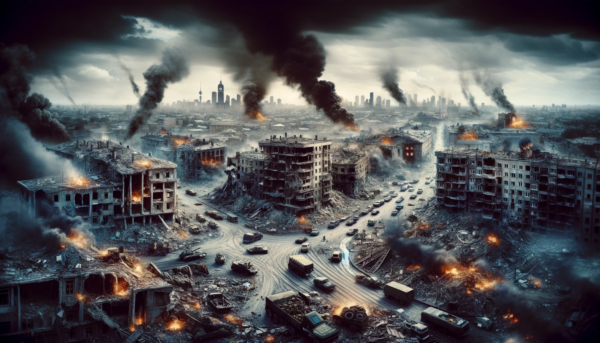





Wildfire smoke from massive blazes across California, Arizona, and Canada has triggered sweeping air-quality alerts across North America, exposing tens of millions of people to hazardous conditions. From Minneapolis to Boston, public health officials issued warnings urging residents to avoid outdoor activities and wear protective masks as fine particulate matter blanketed skies and sent air quality index levels soaring.
In California, the Gifford Fire in Los Padres National Forest has already scorched more than 72,000 acres, prompting evacuations and threatening hundreds of structures. Meanwhile, Arizona’s Dragon Bravo Fire has consumed roughly 125,000 acres, compounding an already serious air-quality crisis. These fires are now merging atmospheric impacts with hundreds of active wildfires burning across Canada, creating a smoke-filled corridor that stretches from the northern Rockies to the Eastern Seaboard.
What areas are under air-quality alerts and how bad is the situation getting?
As of August 5, more than 81 million Americans were under active air-quality alerts. Cities across the Midwest and Northeast — including Chicago, Detroit, Cleveland, Boston, and New York — reported AQI levels in the “Unhealthy” to “Very Unhealthy” range. In parts of Michigan, readings surpassed 150, triggering Level 3 alerts and guidance for all residents, not just vulnerable populations, to remain indoors.
The blanket of smoke drifting into the United States originated from hundreds of wildfires across Canadian provinces such as Saskatchewan, Manitoba, and the Northwest Territories. These northern blazes are now feeding into an atmospheric conveyor belt of pollution that has been difficult to control, especially as wind patterns remain volatile and rainfall remains scarce. Officials have warned that poor air quality could persist for several more days.
How large are the fires in California and Arizona contributing to this crisis?
The Gifford Fire in California’s Los Padres National Forest is currently burning across rugged terrain and has proven extremely difficult to contain. With only 7 percent containment as of this writing, over 1,900 firefighters are working to suppress the blaze as temperatures climb and humidity plummets. Several communities remain on evacuation alert, and aerial support operations have ramped up to prevent the fire from crossing into more populated zones.
In Arizona, the Dragon Bravo Fire has scorched an estimated 125,000 acres and is one of the largest fires in the state this season. Emergency crews have battled high winds and heatwaves, which have pushed smoke plumes into neighboring states and intensified regional air pollution. Authorities say the scale of the fire is expected to grow further due to limited rainfall and lightning-strike risks in the coming days.
What health risks are associated with wildfire smoke exposure right now?
Public health agencies are warning residents in affected zones to take the threat seriously. The primary danger lies in PM2.5 — fine particulate matter that penetrates deep into lung tissue and can aggravate asthma, cause bronchitis, and increase the risk of heart attack or stroke. Even short-term exposure to this level of pollution has been compared to smoking several cigarettes a day.
Medical experts have advised wearing N95 or KN95 masks when outdoors, especially for people with underlying respiratory or cardiovascular conditions. Hospitals in affected areas have already reported a surge in patients presenting with headaches, coughing, wheezing, and dizziness. In some cases, children and elderly individuals have been hospitalized due to worsening symptoms.
Why is this wildfire season so severe and how is climate change involved?
The 2025 wildfire season is quickly becoming one of the most destructive on record. In Canada alone, more than 16.5 million acres have burned, surpassing historical annual averages by a significant margin. Scientists attribute the surge in fire activity to increasingly hotter, drier summers fueled by climate change. Drought conditions, declining soil moisture, and persistent heatwaves have made forests more flammable and fire events harder to contain.
The confluence of wildfires in Canada, Arizona, and California illustrates the new norm of overlapping fire crises across borders. These simultaneous events stretch firefighting resources thin, make air-quality management more difficult, and create long-distance health hazards that affect populations hundreds or even thousands of miles away from ignition zones.
What are governments doing to respond to the worsening conditions?
Federal, state, and provincial governments are coordinating efforts to manage both the fires themselves and their public health impact. In the U.S., air-quality alerts have been disseminated through multiple channels, with cities opening clean-air shelters and distributing free masks to residents. Canada has deployed its national firefighting task forces to critical zones and is also working with international partners for reinforcements.
Still, many public health advocates argue that the response infrastructure remains underprepared for the scale and duration of today’s fire seasons. Real-time air-quality monitoring, smoke modeling, and early-warning systems are improving, but adoption varies widely between jurisdictions. Advocates say long-term solutions must involve forest management reforms, stricter emissions policies, and investments in climate resilience.
What this means for the future of wildfire preparedness
From an environmental reporting standpoint, this episode highlights a growing pattern in North American summers — where multiple regions burn at once and trigger far-reaching public health fallout. Wildfire smoke is no longer a localized issue; it has become a continental phenomenon. The fact that AQI levels in New York and Boston are being dictated by fire activity in Arizona and Manitoba should prompt both governments and citizens to reassess preparedness.
While smoke forecasting tools are improving, communication gaps and health disparities mean that millions remain vulnerable. Authorities can no longer treat wildfires as isolated emergencies. Instead, cross-border smoke mitigation strategies, stronger clean air infrastructure, and investment in predictive models must be prioritized as climate volatility intensifies.
Discover more from Business-News-Today.com
Subscribe to get the latest posts sent to your email.