Why did Serica Energy suspend production at the Triton FPSO and what does the outage reveal about asset reliability?
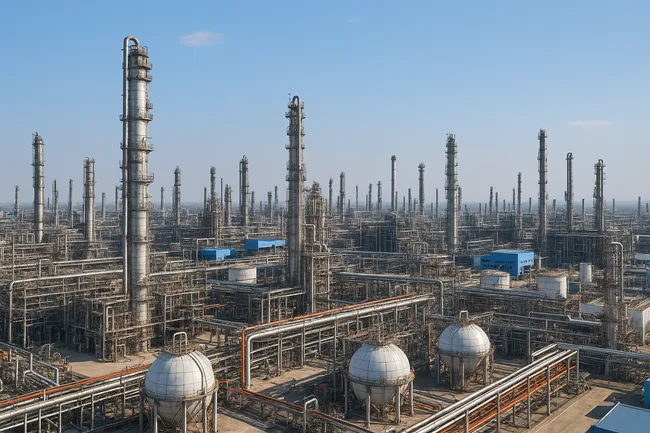
Serica Energy plc (AIM: SQZ) has confirmed a production suspension at the Dana Petroleum-operated Triton floating production, storage and offloading (FPSO) facility following a flare system malfunction that halted output on 30 September 2025. According to an operational update released by the London-listed North Sea producer, production is expected to restart soon but at significantly reduced rates until engineers identify and fix the root cause of the problem.
The company warned that the temporary suspension would drag output below its previously guided range of 29,000 to 32,000 barrels of oil equivalent per day (boepd). The development marks the second major disruption within a month at Triton, highlighting recurring reliability challenges at the non-operated asset.
The Triton FPSO, situated in the UK Central North Sea, handles production from multiple fields including Bittern, Guillemot West, and Clapham, in which Serica Energy holds material interests. However, operational control rests with Dana Petroleum, a subsidiary of Korea National Oil Corporation. As a result, Serica is reliant on the operator’s maintenance performance and engineering discipline—factors that have now drawn investor scrutiny.

How does the Triton FPSO issue follow earlier compressor problems and what technical work has been done?
The latest flare system issue follows closely on the heels of compressor-related maintenance earlier in September. A vibration problem was detected within the compression trains, prompting work on the “A compressor,” which was completed by 23 September. Following that repair, Serica’s share of production briefly reached around 25,000 boepd before the current flare malfunction triggered the full suspension.
The company’s management has described the repeated downtime as “incredibly frustrating,” particularly given that it stems from operational issues on an asset it does not control. Chief Executive Officer Chris Cox said that Serica is now holding intensified discussions with the operator to ensure a more reliable performance that matches the reservoir’s potential. He noted that such unplanned outages not only impair near-term production but also erode investor confidence in the stability of cash flows from non-operated assets.
The statement was reviewed and approved by Carla Riddell, Serica Energy’s Chief Technical Officer, a seasoned geoscientist with more than 25 years of experience in exploration and production. Her involvement underscores the seriousness with which the company is assessing the technical root causes of the outage.
What is the financial and operational impact of the Triton FPSO suspension on Serica Energy’s FY2025 guidance?
The immediate financial consequence of the production halt is a reduction in group output below the lower end of Serica’s 29,000 to 32,000 boepd guidance. While the company has not yet quantified the revenue loss, every day of downtime materially affects its cash flow, given its portfolio weighting toward high-value liquids.
Serica Energy has historically generated strong free cash flow from its North Sea portfolio, including assets such as Bruce, Keith, and Rhum, which it operates directly. However, Triton contributes meaningfully to group earnings and reserves, meaning even a temporary shortfall could alter the firm’s year-end financial trajectory.
Analysts say that the impact could extend into early 2026 if the flare issue requires component replacement or regulatory inspection before full throughput resumes. The company’s cost exposure may be mitigated by insurance and joint-venture risk-sharing arrangements, but such events typically introduce delays in claims recognition and settlement.
Serica’s cash balance and limited net debt position provide a cushion, but recurring operational setbacks could weigh on its capital allocation flexibility—especially as it continues to pursue asset acquisitions and exploration tie-backs to sustain production beyond the decade.
How are investors interpreting Serica Energy’s sharp share price drop and what does it reveal about institutional sentiment and perceived operational risk?
The market response was swift and sharp. As of the close on 8 October 2025, Serica Energy’s share price had plunged by 11.10 percent, or 23.70 pence, to 189.80 pence. The stock traded between a high of 196.80 pence and a low of 182.00 pence during the session, marking one of the steepest single-day drops for the AIM-listed energy firm this year.
Institutional sentiment turned cautious, with investors citing operational reliability and management oversight of non-operated assets as emerging concerns. Fund managers tracking UK mid-cap energy names said the incident reinforced the “execution gap” risk between operator-controlled and partner-owned fields.
Despite this, some long-term investors view the pullback as potentially overdone. They argue that Serica’s diversified asset base and strong balance sheet make it resilient against single-field disruptions. Nevertheless, sentiment across retail investor forums and energy-sector trackers leaned bearish through the London session, reflecting uncertainty about the duration of restricted production.
How are analysts interpreting Serica Energy’s strategic position after repeated North Sea operational challenges?
Analysts broadly agree that Serica’s dependence on joint-venture operations introduces volatility that may deter risk-averse investors. The company’s recent history of production interruptions—first from compressor issues and now from the flare system—has amplified calls for greater operational control or renegotiated terms with partners.
Institutional analysts tracking AIM-listed producers note that the company’s communications have remained transparent, but the frequency of updates underscores how fragile uptime can be on mature North Sea infrastructure. Some market watchers suggest that Serica may eventually need to increase its operated asset share or consider divesting non-operated stakes to rebalance operational exposure.
From a strategic perspective, Serica Energy has maintained a disciplined approach to capital expenditure and has remained committed to shareholder returns through dividends and share buybacks. However, persistent underperformance at Triton could pressure management to recalibrate its production mix and cost assumptions.
What are the wider implications for the UK North Sea sector and operator accountability?
The Triton FPSO incident also highlights systemic issues within the North Sea basin, where aging assets and complex ownership structures often result in overlapping responsibilities between operators and partners. Engineering challenges, such as compressor vibrations or flare malfunctions, are increasingly common as fields mature and require life-extension work.
Industry observers note that the UK’s Energy Act framework and the North Sea Transition Authority’s performance targets emphasize operational efficiency, emissions management, and safety. However, the reliance on third-party FPSO operators continues to pose risk exposure for smaller E&P companies like Serica.
If Serica and Dana Petroleum can swiftly implement engineering fixes and operational reforms, the Triton hub could resume stable output and restore confidence among partners and regulators. But continued downtime would feed broader investor concerns about the reliability of the North Sea’s aging infrastructure, particularly at a time when global energy markets are rewarding efficiency and uptime stability.
What is the future outlook for Serica Energy as it works to restore production and rebuild investor confidence?
Looking ahead, Serica Energy’s management has indicated that further announcements will follow once the flare system investigation concludes and production restarts. Analysts expect the company to update investors on both short-term repair progress and longer-term reliability measures during its next operational report.
The market will also be watching how the company adjusts its guidance and whether it provides a revised cost estimate for remediation work. Any signs of swift stabilization could help recapture some of the value lost during the share-price drop, while delays may prolong the period of investor caution.
From a fundamental perspective, Serica Energy remains one of the stronger balance-sheet players among AIM-listed independents. Its steady cash generation, low gearing, and focus on UK-based assets provide relative resilience. However, to sustain market confidence, the company will need to demonstrate that operational execution can match its financial prudence.
For now, the Triton FPSO episode serves as a reminder that even well-capitalized producers are not immune to technical risk in mature offshore environments. As North Sea operators increasingly compete for investor trust in a decarbonizing world, reliability—and not just resource volume—may become the ultimate metric of valuation.
Discover more from Business-News-Today.com
Subscribe to get the latest posts sent to your email.