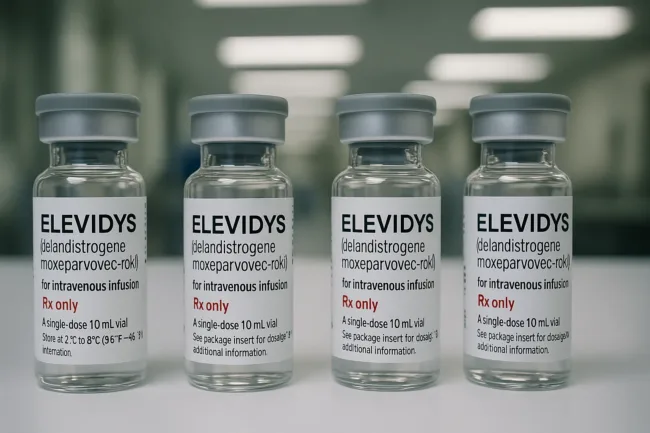
Sarepta Therapeutics, Inc. (NASDAQ: SRPT), the Cambridge, Massachusetts-based genetic medicine innovator focused on rare neuromuscular diseases, has temporarily suspended shipments of its flagship gene therapy ELEVIDYS (delandistrogene moxeparvovec) for non-ambulatory Duchenne muscular dystrophy (DMD) patients in the United States. The American biotech company confirmed the move followed an informal request from the U.S. Food and Drug Administration (FDA) as regulators intensified their scrutiny of liver safety risks linked to the therapy. ELEVIDYS shipments for ambulatory patients will continue, with Sarepta Therapeutics stating that no new or altered safety signals have been detected in this population.
This development underscores growing regulatory caution toward adeno-associated virus (AAV)-based gene therapies, which have shown transformative potential but continue to face challenges regarding immune-mediated toxicity and hepatic safety profiles. Historically, Sarepta Therapeutics has held a leadership position in DMD therapy development, with ELEVIDYS granted accelerated approval in June 2023 and full approval for ambulatory patients in June 2024. The therapy remains the only FDA-approved gene therapy for Duchenne, priced at approximately $3.2 million per infusion, and has been administered to over 900 patients since launch.
Why did the FDA request Sarepta Therapeutics to pause ELEVIDYS shipments for non-ambulatory patients despite no new safety signals for ambulatory use?
The FDA’s request follows a series of safety incidents that raised concerns over ELEVIDYS administration in non-ambulatory patients. In March 2025, Sarepta Therapeutics disclosed the first death of a non-ambulatory teenage patient due to acute liver failure occurring roughly eight weeks after infusion. At the time, the event was attributed partly to external factors, including viral co-infection. However, when a second fatality occurred in June under similar circumstances, Sarepta Therapeutics, in coordination with global partner Roche, voluntarily halted non-ambulatory shipments and paused the ENVISION confirmatory trial mandated under the accelerated approval pathway.
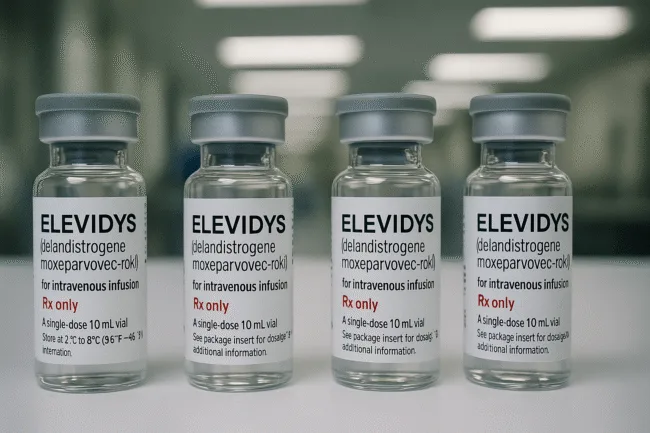
Further scrutiny emerged after a third death was reported in June in a separate Phase 1 trial for SRP-9004, Sarepta Therapeutics’ investigational Limb-Girdle Muscular Dystrophy (LGMD) therapy. While this therapy differs in dose and manufacturing process, it shares the same AAVrh74 vector as ELEVIDYS. The American biotech company reported the acute liver failure event to the FDA on June 20 and followed up with a formal notification of the patient’s death on July 3, reinforcing its commitment to regulatory transparency. Sarepta Therapeutics clarified that the LGMD patient was not treated with ELEVIDYS.
The FDA’s informal request, communicated through regulatory liaisons and amplified by media coverage, urged Sarepta Therapeutics to halt non-ambulatory shipments while updating product labeling to include a “black-box warning” for liver failure. The company is currently working with the FDA to develop an enhanced immunosuppression regimen, potentially combining corticosteroids with sirolimus or other immunomodulators, to reduce hepatic risk before non-ambulatory shipments resume.
ELEVIDYS’ continued availability for ambulatory patients reflects the absence of new safety signals in that subgroup based on Sarepta Therapeutics’ internal review of clinical data. However, the ongoing pause for non-ambulatory patients underscores the heightened caution regulators are exercising for high-dose systemic AAV therapies, particularly in older or more severely affected DMD populations who present greater baseline hepatic vulnerability.
How have Sarepta Therapeutics’ stock performance and institutional investor sentiment shifted following the FDA safety request and shipment pause?
The regulatory intervention has significantly impacted Sarepta Therapeutics’ market performance. On July 18, 2025, SRPT shares plunged approximately 36% intraday, trading at around $14.08 by market close—its lowest level in nearly nine years. Trading volumes spiked, with share prices hitting a session low of $11.88 and a high of $19.37, reflecting heightened volatility and investor anxiety.
Institutional sentiment toward the American biotech company remains sharply divided. Several institutional investors praised Sarepta Therapeutics for adopting a conservative, safety-first approach, suggesting that such regulatory alignment could preserve long-term market confidence. However, others criticized the perceived delay in disclosing the third patient death, arguing that Sarepta Therapeutics’ omission of the information during its restructuring announcement undermined transparency and could invite further scrutiny from both regulators and investors.
Analysts have issued mixed recommendations in light of the pause. Some maintained cautious optimism, viewing the decision as a prudent step that could avert further regulatory complications while safeguarding ambulatory revenues. Others revised their revenue forecasts downward, citing the non-ambulatory pause, ongoing clinical trial delays, and the potential erosion of physician confidence in ELEVIDYS. Institutional consensus currently reflects a risk-adjusted outlook, with revenue projections for ELEVIDYS cut from an estimated $1.7–2 billion peak to a more conservative range below $1 billion annually unless safety signals are fully resolved and shipment resumption occurs by late 2025 or early 2026.
The American biotech company’s broader financial strategy is also under scrutiny. Sarepta Therapeutics recently announced a strategic restructuring plan to reduce annual operating expenses by approximately $400 million, including workforce reductions of about 500 employees, to preserve cash flows amid regulatory uncertainty. While some institutional investors interpreted this as a necessary measure to stabilize operations, others flagged concerns about its potential impact on pipeline development and future innovation. Sarepta Therapeutics’ $1.1 billion debt maturing in 2027 adds additional pressure to sustain commercial revenues from ELEVIDYS and other approved therapies.
What does this regulatory challenge mean for the Duchenne muscular dystrophy therapy landscape and broader gene therapy market?
The regulatory pause for non-ambulatory ELEVIDYS patients carries implications not just for Sarepta Therapeutics but also for the entire DMD treatment market. The therapy was expected to significantly expand its addressable market through non-ambulatory approvals, providing a critical disease-modifying option for older or more severely affected Duchenne patients. With shipments now paused for this group, clinicians may exercise greater caution when recommending gene therapy, potentially shifting demand back toward corticosteroid regimens or other exon-skipping therapies in the interim.
From an industry perspective, the FDA’s scrutiny reflects a broader reassessment of AAV-based gene therapies, which, while revolutionary, have been increasingly linked to hepatic toxicity and immune-mediated complications. This heightened regulatory focus is expected to extend beyond Sarepta Therapeutics, influencing competitors such as Pfizer and Solid Biosciences, which are developing similar systemic AAV gene therapies for neuromuscular disorders. Analysts anticipate more stringent trial protocols, enhanced pre-infusion screening for hepatic risk factors, and longer regulatory review timelines for future AAV approvals.
For Sarepta Therapeutics, how it navigates this regulatory challenge could define its leadership position in the DMD market. Successful resolution of the current safety concerns through label updates, immunosuppression optimization, and robust confirmatory data could restore confidence and solidify ELEVIDYS as a cornerstone therapy. Conversely, prolonged delays or additional safety signals could erode Sarepta Therapeutics’ market share and provide an opening for competitors to capitalize on alternative therapeutic approaches.
What is the future outlook for Sarepta Therapeutics and when can shipments for non-ambulatory patients potentially resume?
The future trajectory for Sarepta Therapeutics hinges on several near-term milestones. Analysts expect the FDA to finalize the black-box warning and revised labeling for ELEVIDYS by the end of 2025, contingent on Sarepta Therapeutics’ ability to present a viable immunosuppression strategy. The ENVISION confirmatory trial, which was temporarily paused, is expected to restart after protocol amendments incorporating enhanced hepatic monitoring and immunomodulatory regimens are approved by regulators.
If these steps proceed smoothly, shipments for non-ambulatory patients could resume in late 2025 or early 2026. Positive data from ENVISION confirming long-term clinical benefits in non-ambulatory patients would be critical to expanding ELEVIDYS’ commercial reach and meeting accelerated approval requirements. However, continued safety incidents or delays in implementing these regulatory measures could push timelines further, jeopardizing revenue projections and complicating Sarepta Therapeutics’ debt management strategy.
Despite the current challenges, Sarepta Therapeutics retains a first-mover advantage in the DMD gene therapy space. Its experience navigating regulatory complexities, combined with ongoing dialogue with the FDA, could set an industry precedent for balancing innovation with patient safety. Analysts emphasize that the outcome of this regulatory episode will not only determine Sarepta Therapeutics’ market leadership but also shape the broader trajectory of AAV-based genetic medicine development for rare neuromuscular disorders.
Discover more from Business-News-Today.com
Subscribe to get the latest posts sent to your email.