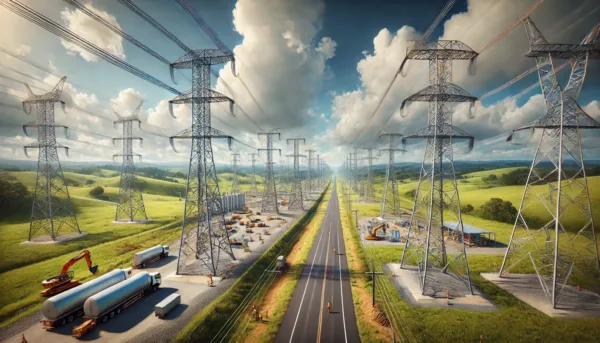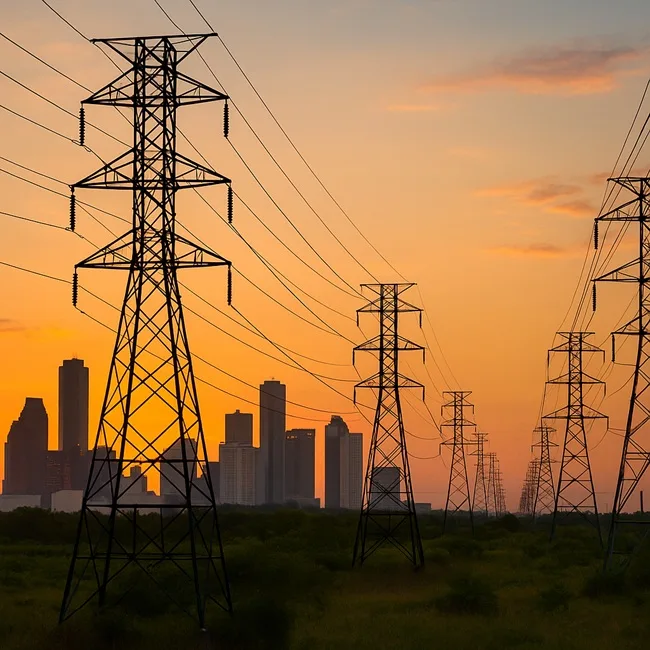
NextEra Energy, Inc. (NYSE: NEE) and Exelon Corporation (NASDAQ: EXC) have moved to the front of the energy infrastructure stage after PJM Interconnection officially recommended the two power heavyweights to deliver a transformative high-voltage transmission project as part of its 2025 Regional Transmission Expansion Plan. The ambitious proposal, a roughly 220-mile, 765-kilovolt (kV) bi-directional “superhighway,” is designed to unlock reliable, affordable, and resilient electricity across Pennsylvania and West Virginia, while also supporting an extraordinary $92 billion investment pipeline in new power generation and grid modernization.
For a region long synonymous with both legacy coal and emergent clean energy, the PJM decision signals a dramatic push to future-proof its energy backbone. The transmission corridor—running across key substations in Pennsylvania and West Virginia—will become a lifeline for millions of residents and businesses, and, if completed, is poised to drive economic growth, catalyze industrial investment, and fuel the region’s aspirations to lead both the energy and AI revolutions.
What is the significance of the 765-kV transmission project and why are NextEra Energy and Exelon in the spotlight now?
PJM Interconnection’s recommendation places NextEra Energy Transmission and Exelon at the center of the single largest grid expansion initiative in recent Pennsylvania and West Virginia history. The choice comes amid mounting pressure on regional operators to reinforce the grid for both reliability and scalability as electricity demand surges due to AI data centers, industrial expansion, and the gradual electrification of everything from transportation to manufacturing.
According to PJM’s 2025 plan, the new transmission line will transfer two to three times more power than existing 500-kV lines and is engineered to reduce transmission losses by up to 50%. This improved efficiency is critical, given the anticipated wave of new power projects and the need to deliver stable electricity to both traditional industries and the next generation of AI-driven employers.
Executives from both energy giants have seized the moment to highlight the project’s long-term value. John Ketchum, chairman and CEO of NextEra Energy, described the effort as “investing in American energy dominance,” promising a more resilient grid and improved access to affordable energy for millions. Calvin Butler, president and CEO of Exelon, characterized the collaboration as a “pivotal moment for our region’s energy future,” positioning the transmission corridor as the backbone of reliable, affordable power for communities and businesses in both states.
How does this project tie into Pennsylvania and West Virginia’s broader economic and energy strategies?
The strategic impact of the proposed superhighway is already being touted at the highest levels of state and federal government. Pennsylvania Senator Dave McCormick, a vocal advocate for tech-enabled growth, said the project will deliver the abundant, reliable power required to attract AI and industrial investments, referencing momentum from the 2025 Energy and Innovation Summit in Pittsburgh.
The 765-kV line is also positioned as a cornerstone of Pennsylvania’s $92 billion power generation investment program, a signature initiative unveiled earlier in the year by President Donald Trump, Senator McCormick, and Governor Josh Shapiro. For West Virginia, the project aligns with Governor Patrick Morrisey’s aggressive “50 GW by 2050” roadmap, which includes $4.2 billion in recent commitments to coal, natural gas, and workforce development, reinforcing the state’s role as a historic energy powerhouse.
Both states now find themselves at the crossroads of industrial revival and digital transformation. The proposed grid upgrade is expected to anchor major employers, generate thousands of permanent jobs, and offer a decisive competitive edge as the region bids to outpace rivals in the national scramble for AI and energy infrastructure investment.
What are the expected technical, economic, and environmental advantages of the 765-kV grid superhighway?
From an engineering perspective, the project is a showcase of scale and efficiency. The bi-directional 765-kV transmission line will facilitate the movement of approximately 7 gigawatts (GW) of electricity, delivering the flexibility to route power based on real-time demand and generation mix. This is a significant leap in grid capability, with far-reaching implications for reliability during peak demand events—especially as regional weather patterns grow more volatile.
On the economic front, institutional analysts tracking the sector argue that the line’s high capacity and reduced losses will help lower wholesale electricity costs, stabilize prices for consumers, and reduce the risk of outages that can devastate both households and industrial operations. In a region already attracting data center and manufacturing interest, improved grid reliability becomes a direct lever for economic growth and job creation.
Environmentally, the superhighway’s design requires fewer towers and a smaller land footprint compared to lower-voltage alternatives, potentially easing the permitting process and community acceptance challenges. PJM’s endorsement is likely to accelerate environmental and community engagement, with both NextEra Energy and Exelon publicly committing to work closely with stakeholders along the route.
What are the next steps and key milestones for the NextEra Energy and Exelon transmission initiative?
The project is now heading into the most critical phase: final approval by the PJM Board, expected in early 2026. Until that decision is handed down, NextEra Energy Transmission and Exelon will be ramping up consultations with state regulators, landowners, and community organizations to build consensus and navigate a complex permitting landscape.
Industry watchers believe successful execution could trigger a cascade of similar high-capacity grid projects across other PJM markets and potentially become a blueprint for grid modernization nationwide. However, as with all mega-infrastructure proposals, timelines could be impacted by regulatory, environmental, or political delays.
Once approved, the transmission line is expected to move rapidly through procurement and construction, with operational service projected to begin before the end of the decade. Both companies are under pressure to meet aggressive schedules to avoid missing the current window of industrial and technological investment in the region.
How is the market responding and what does this mean for investors and institutional sentiment?
Shares of both NextEra Energy and Exelon have seen increased trading volumes since the PJM announcement, reflecting renewed investor interest in U.S. energy infrastructure and grid modernization. Market participants are generally optimistic about the project’s scale and the visibility it brings to both companies’ regulated asset bases.
NextEra Energy, long regarded as a bellwether in U.S. renewables, is leveraging this project to diversify and deepen its transmission footprint. Exelon, meanwhile, continues its pivot toward transmission and distribution after exiting the power generation business in 2022, using projects like this to anchor its next growth cycle.
Institutional sentiment is tilted positive, with many analysts rating both companies as “buy” or “outperform” on the back of the regulatory visibility, strong balance sheets, and the long-term rate base growth embedded in the deal pipeline. Both Pennsylvania and West Virginia are viewed as prime hunting grounds for new capital deployment, and investors will be watching closely for further signals from PJM and state policymakers on future expansion opportunities.
What is the long-term outlook for Pennsylvania and West Virginia as America’s next energy and AI corridor?
If delivered as envisioned, the NextEra Energy and Exelon superhighway could vault Pennsylvania and West Virginia to the forefront of the U.S. energy transition, offering a unique blend of legacy strength and digital-age ambition. The grid’s enhanced capacity is likely to attract not only traditional manufacturers but also AI data centers and other tech-driven employers requiring both resilience and sustainability.
Political leaders are framing the project as a national model, citing its ability to simultaneously support economic growth, workforce development, and energy security. For local communities, the transmission line promises job creation, infrastructure upgrades, and a seat at the table in America’s next great industrial transformation.
Ultimately, the success of this project will be judged by its ability to deliver on reliability, affordability, and stakeholder engagement—three pillars that have often been at odds in the history of U.S. grid expansion. With the final PJM Board vote looming and billions in new investment on the line, all eyes are now on how swiftly and smoothly NextEra Energy and Exelon can turn this blueprint into reality.
Key takeaways—what does the NextEra Energy and Exelon grid project mean for the region?
- PJM Interconnection recommends NextEra Energy and Exelon for a landmark 220-mile, 765-kV transmission line across Pennsylvania and West Virginia.
- The grid project is designed to support $92 billion in new power generation, drive industrial investment, and future-proof the region for AI and digital transformation.
- Technical advances include double to triple the power transfer of existing lines, reduced transmission losses, and a smaller land footprint.
- Political and business leaders see the project as key to stabilizing electricity prices, attracting jobs, and securing long-term energy resilience.
- Final approval by the PJM Board is expected in early 2026, with construction targeted to begin soon after.
- Both companies have pledged community engagement and are positioning the project as a national blueprint for grid modernization.
- Institutional sentiment toward NextEra Energy and Exelon remains positive, with increased investor attention following the announcement.
Discover more from Business-News-Today.com
Subscribe to get the latest posts sent to your email.