

How does the license extension of Perry Nuclear Power Plant reinforce Vistra’s position in U.S. clean energy generation?
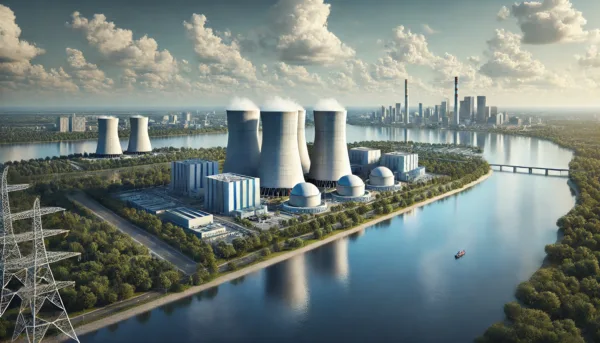
Vistra Corporation (NYSE: VST) has received formal approval from the U.S. Nuclear Regulatory Commission (NRC) to operate its 1,268-megawatt Perry Nuclear Power Plant in Ohio through 2046, extending its license by 20 years beyond the original 40-year term. The Irving, Texas-based electric utility developer submitted its renewal application in 2023, aiming to preserve one of the Midwest’s key baseload clean energy assets amid rising national demand for reliable, zero-emission electricity. With the relicense now granted, all six of Vistra’s reactors across Ohio, Pennsylvania, and Texas have secured long-term operational permits, providing the company a strengthened foundation to meet both capacity and sustainability mandates across the PJM and ERCOT markets.
Originally commissioned in 1986, the Perry facility plays a critical role in Ohio’s power infrastructure, operating as a single-unit pressurized water reactor within the competitive PJM Interconnection system. Vistra executives emphasized that extending Perry’s operations will preserve approximately 600 local jobs, retain 200 additional permanent contract positions, and continue to inject millions into the local economy during refueling outages, which regularly draw 800 to 1,200 traveling nuclear technicians.
Why are license renewals for nuclear plants becoming critical to U.S. energy security and carbon neutrality goals?
License extensions for nuclear plants like Perry are viewed by many institutional stakeholders as essential to maintaining grid reliability during an increasingly volatile energy transition. With mounting pressure on utilities to deliver carbon-free electricity while avoiding generation shortfalls, zero-emission baseload sources such as nuclear are gaining renewed strategic attention. Nuclear plants, unlike solar and wind, offer 24/7 operability with a minimal environmental footprint. Perry’s 1,268 MW output contributes directly to system stability within the PJM market, which serves over 65 million people across 13 states.
Institutional investors tracking the energy transition are reportedly supportive of nuclear asset longevity, particularly when paired with regional workforce retention and minimal emissions. Analysts have noted that while new nuclear plant construction remains limited due to high capital intensity and permitting timelines, license renewals represent a more immediate and capital-efficient pathway to sustaining clean energy supply.
What does Perry’s extension mean for Vistra’s broader nuclear fleet and generation capacity through 2053?
With the Perry relicense complete, Vistra’s entire nuclear fleet now holds active operating licenses that extend up to or beyond 2046. In addition to Perry, this includes the dual-unit Beaver Valley plant in Pennsylvania (Units 1 and 2 licensed through 2036 and 2047, respectively), the Davis-Besse single reactor in Ohio (through 2037), and Comanche Peak Units 1 and 2 in Texas (through 2050 and 2053). Altogether, these six reactors supply over 6,500 MW of carbon-free electricity—enough to power approximately 3.25 million homes.
This milestone positions Vistra as the operator of the second-largest competitive nuclear generation fleet in the United States, behind only Constellation Energy. The firm has stated that this footprint will remain central to its strategy for clean power growth and regional energy reliability across regulated and deregulated markets.
How does the Perry plant impact Ohio’s economy and labor market beyond energy generation?
Beyond power output, the Perry Nuclear Power Plant serves as a durable economic engine for Lake County and the surrounding communities. Vistra reported that its full-time nuclear workforce of 600 supports hundreds of families, while a further 200 permanent contractors contribute to year-round site operations. Moreover, biannual refueling outages—required to replace spent fuel rods—trigger a regional economic ripple effect, as the plant contracts up to 1,200 external technicians. These events boost hospitality, food services, and transportation sectors in the area.
Ohio-based civic and utility advocates have long argued for the retention of nuclear facilities as critical both to the region’s clean energy future and to sustaining middle-class employment in rural and suburban communities. Perry’s continued operation through 2046 aligns with that vision while also helping to meet broader reliability standards in the PJM grid.
What are institutional investors expecting from Vistra’s zero-carbon portfolio strategy post-relicense?
Institutional sentiment toward Vistra’s zero-carbon strategy has generally improved following the successful relicensing of all six nuclear assets. These long-duration assets are expected to provide a predictable stream of emissions-free electricity for decades, reducing reliance on gas peakers and preserving fuel diversity. Industry observers have highlighted that relicensing can also improve return on invested capital (ROIC) in existing nuclear infrastructure, particularly as federal and state clean energy incentives become more aligned with lifetime carbon reductions rather than just new project development.
With the NRC’s approval complete, analysts expect Vistra to continue monetizing its baseload capacity via forward energy contracts and capacity markets, especially during periods of peak demand. Perry’s role within the PJM market makes it particularly valuable during summer and winter reliability events, which are becoming more frequent due to climate-related weather volatility.
How is Vistra balancing its nuclear assets with emerging renewable and storage projects across the U.S.?
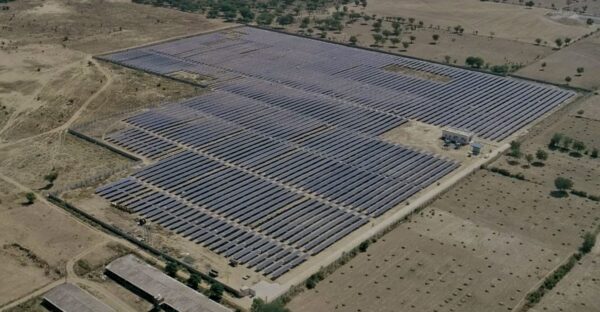
While nuclear remains a key pillar of Vistra’s energy strategy, the electric utility developer is also scaling up investments in utility-scale solar, battery energy storage systems (BESS), and gas-peaker hybrids. The company’s Vistra Zero platform has already announced over 7,300 MW of planned and operating renewables and storage projects, with facilities located in Illinois, Texas, California, and Virginia. The clean generation portfolio is structured to balance the intermittency of renewables with the reliability of nuclear and gas-fired plants.
Vistra has stated in prior investor calls that its strategic plan envisions a diversified zero-carbon portfolio anchored by both base and flexible generation. The successful relicensing of Perry and other nuclear units is seen as complementary to that plan, providing stable backbone power to offset renewables’ variable output.
What does the Perry extension mean for future U.S. nuclear energy policy and grid investment trends?
Vistra’s successful relicensing of Perry through 2046 adds momentum to a broader industry trend favoring nuclear plant life extension. The U.S. Department of Energy has recently prioritized funding support and regulatory streamlining for license renewals, especially for plants that demonstrate strong safety and operational records. Experts expect that more private operators will pursue similar extensions, citing inflationary cost pressures on new project development and the urgency of maintaining existing clean energy capacity.
For grid planners, the retention of nuclear assets like Perry reduces the need for costly new firm capacity procurement and delays the urgency of building transmission-intensive renewables in constrained markets. Moreover, Ohio’s dual role as an energy producer and industrial manufacturing hub makes Perry’s continued operation strategically aligned with both decarbonization and economic resilience objectives.
What long-term implications does Vistra’s full nuclear relicense milestone have for clean energy strategy and investor confidence?
The 20-year extension of Vistra’s Perry Nuclear Power Plant underscores the enduring value of nuclear power in meeting decarbonization goals while sustaining grid reliability and economic development. With all six of its nuclear reactors now fully relicensed, Vistra has solidified its position as a leader in zero-carbon baseload generation. Institutional investors are likely to view the move as an indicator of long-term capital discipline, clean energy commitment, and operational confidence. As energy markets shift toward low-emission models, legacy nuclear plants may emerge as critical anchors in the evolving U.S. grid architecture.
Discover more from Business-News-Today.com
Subscribe to get the latest posts sent to your email.