Why Did Novavax Shares Surge After FDA Approval of Nuvaxovid?
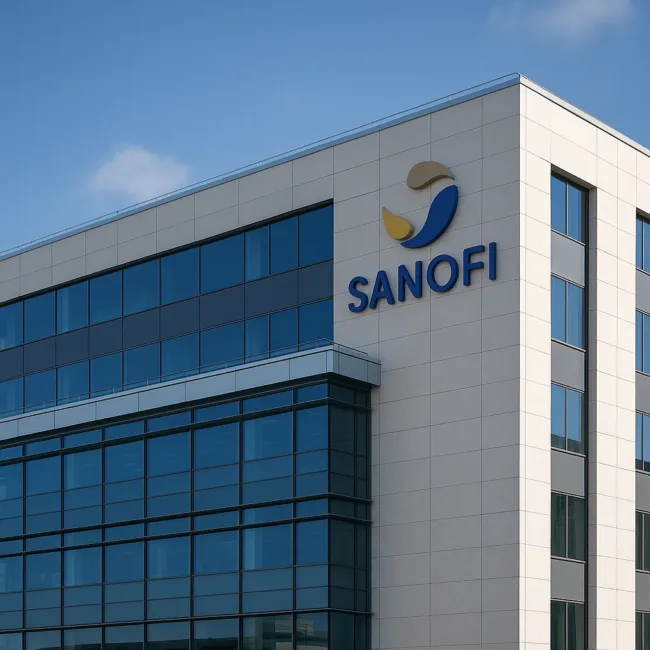
Novavax, Inc. (NASDAQ: NVAX) witnessed a dramatic 25% rally at the opening bell on May 20, 2025, after the U.S. Food and Drug Administration (FDA) granted full approval to its COVID-19 vaccine, Nuvaxovid. This landmark Biologics License Application (BLA) approval positions Nuvaxovid as the only recombinant protein-based, non-mRNA COVID-19 vaccine available in the U.S., targeting adults aged 65 and above, and individuals aged 12–64 with at least one high-risk condition. The regulatory milestone not only reaffirms Novavax’s scientific relevance in a crowded vaccine market but also unlocks a $175 million milestone payment from Sanofi under a previously signed co-commercialization agreement.
The FDA nod transitions Novavax from an Emergency Use Authorization (EUA) status into a fully licensed player in the U.S. vaccine landscape, providing critical credibility and commercial stability as the company prepares for the 2025–2026 respiratory illness season.
What Differentiates Nuvaxovid in the Evolving Vaccine Market?
Nuvaxovid’s recombinant protein formulation—produced via Novavax’s proprietary nanoparticle technology—offers an alternative for Americans wary of mRNA platforms. Unlike mRNA-based vaccines that deliver genetic instructions to produce spike proteins inside the body, Nuvaxovid introduces prefabricated spike proteins alongside the company’s proprietary Matrix-M® adjuvant, triggering a durable and broad-spectrum immune response.
This technology not only appeals to vaccine-hesitant populations but also allows for cold-chain compatibility, with storage requirements of 2°C to 8°C, making it suitable for traditional healthcare distribution networks. Nuvaxovid’s formulation specifically targets the JN.1 variant of SARS-CoV-2, and builds on prior clinical trials that established strong safety and efficacy in both adults and adolescents.
The FDA approval also includes a post-marketing Phase 4 trial commitment to assess safety and efficacy in a lower-risk population (adults aged 50–64 without underlying conditions). Novavax is coordinating with Sanofi to evaluate funding and execution for this trial, expanding data validation beyond its original cohorts.
What Are the Financial and Commercial Implications for Novavax?
The immediate financial impact of the approval is the unlocking of a $175 million milestone payment from Sanofi under their co-exclusive licensing agreement signed in May 2024. This deal enables Sanofi to lead commercialization efforts for the vaccine in the U.S., while Novavax retains rights to receive ongoing tiered royalties from seasonal standalone COVID-19 vaccine sales.
This revenue injection is timely, as Novavax prepares to deliver its 2025–2026 vaccine formula by fall, subject to the FDA’s final strain recommendation at the upcoming VRBPAC meeting on May 22, 2025. Distribution is expected to be streamlined via Sanofi’s established U.S. networks, adding operational resilience for the upcoming season.
Nuvaxovid already has full regulatory approval in key global markets including the European Union, United Kingdom, Japan, Canada, Australia, Taiwan, and Singapore, enhancing Novavax’s international revenue potential.
How Does Matrix-M Enhance Novavax’s Competitive Position?
Matrix-M is Novavax’s adjuvant platform, derived from sustainably sourced saponins, which significantly amplifies the body’s immune response. This adjuvant has been shown to allow for lower antigen doses while still eliciting broad, long-lasting protection. Clinical results across age groups have confirmed its safety profile, and the adjuvant now underpins Novavax’s pipeline beyond COVID-19—including flu and potential combination vaccines.
By decoupling immune response strength from high antigen volumes or genetic instruction, Matrix-M serves as a platform enabler with implications for infectious disease vaccines and pandemic preparedness.
What Risks and Precautions Are Identified by the FDA?
The FDA’s final labeling for Nuvaxovid includes several precautions. It is contraindicated for individuals with a history of severe allergic reactions to any component of the vaccine or previous Novavax COVID-19 doses. Adverse events include typical post-vaccination reactions such as headache, fatigue, and muscle pain, as well as reports of myocarditis and pericarditis.
Syncope (fainting), particularly in younger populations, and diminished immune response in immunocompromised patients are also noted. Importantly, the vaccine is not guaranteed to protect all recipients, reflecting the broader limitations faced by all immunization platforms.
Despite these caveats, the benefit-risk profile remains favorable for the designated high-risk populations.
How Did Novavax Stock React to the FDA Approval?
The market responded swiftly to the FDA approval, with Novavax stock (NASDAQ: NVAX) surging 25% intraday to open around $8.10 on May 20, 2025. This followed a long period of volatility, during which NVAX had fallen over 16% year-to-date due to investor concerns over declining COVID-19 revenues, funding constraints, and development uncertainties.
Investor optimism was fueled not only by regulatory clearance but also by the immediate capital injection from Sanofi. Trading volumes spiked significantly, with both retail and institutional accounts contributing to the buying momentum.
What Are Institutional Investors Doing with NVAX?
Recent institutional flow data reveals a mixed but growing interest in Novavax. Vanguard Group Inc. holds a 9.8% stake, signaling confidence in the company’s longer-term potential. Shah Capital Management owns around 6.9%, positioning itself as a strategic investor.
Several firms adjusted their exposure post-approval. AQR Capital Management sharply increased its stake by 95.2%, likely anticipating a turnaround in cash flows and valuation. In contrast, Goldman Sachs Group reduced its position by 19.4%, indicating caution over execution risks or market saturation.
These divergent institutional moves underscore the speculative nature of NVAX at current valuations, with investors weighing short-term catalysts against long-term execution complexity.
Are Analysts Recommending NVAX as a Buy, Hold, or Sell?
Analyst sentiment following the FDA approval is cautiously optimistic. The consensus one-year price target stands at $16.67, with a range of $9.00 to $25.00, suggesting room for significant upside from current levels.
Some analysts now categorize NVAX as a “speculative buy,” citing tailwinds from the Sanofi partnership, licensing structure, and broader strategic shift toward flu and combination vaccines. Others adopt a “hold” rating due to execution dependencies, upcoming clinical trial obligations, and continued reliance on third-party manufacturers like the Serum Institute of India for formulation and filling.
The stock is currently trending across social trading platforms, and NVAX has re-entered watchlists for biotech-focused funds and hedge funds specializing in event-driven strategies.
What Is the Strategic Outlook for Novavax Post-Approval?
FDA approval of Nuvaxovid in the U.S. is not just a regulatory victory—it is a pivotal moment in Novavax’s broader turnaround strategy. Beyond standalone COVID-19 immunization, the company is actively pursuing development of combination vaccines, particularly a dual influenza-COVID-19 shot. The Sanofi partnership is expected to be instrumental in this next phase, offering both funding and commercial execution support.
Novavax has also signaled plans to file a supplemental BLA for the updated 2025–2026 seasonal formulation, expanding market access as SARS-CoV-2 variants continue to evolve. Its proprietary technology platform, combining recombinant protein engineering and Matrix-M adjuvants, is now being leveraged for other infectious disease targets, positioning the company for diversification and long-term relevance in the vaccine market.
Discover more from Business-News-Today.com
Subscribe to get the latest posts sent to your email.