Why is Novartis Acquiring Regulus Therapeutics and Its Lead Kidney Drug Farabursen?
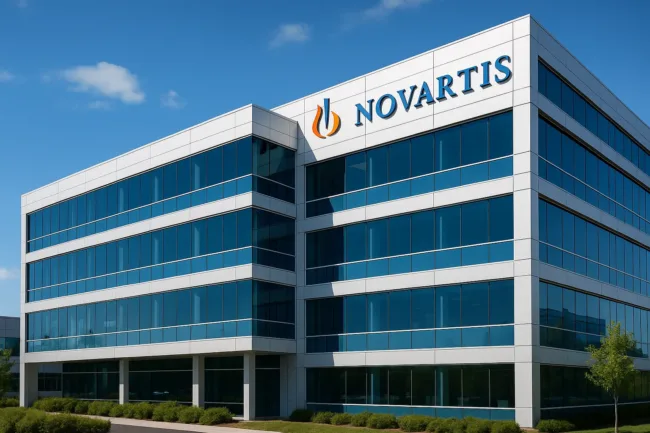
Novartis AG has announced a definitive agreement to acquire clinical-stage biopharmaceutical company Regulus Therapeutics Inc. (NASDAQ: RGLS) in a transaction worth up to $1.7 billion. The strategic move is aimed at bolstering Novartis’ pipeline in nephrology with a novel microRNA-based candidate, farabursen, targeted at treating autosomal dominant polycystic kidney disease (ADPKD)—the leading genetic cause of end-stage renal failure.
This acquisition adds to Novartis’ expanding footprint in kidney disease management, aligning with a broader industry trend where pharmaceutical majors are deepening their portfolios in chronic, under-treated conditions with high economic burden. The transaction is expected to close in the second half of 2025, pending customary regulatory and shareholder approvals.

What Is Farabursen and Why Is It Considered a First-in-Class ADPKD Therapy?
Farabursen is a next-generation oligonucleotide therapeutic designed to inhibit miR-17, a microRNA cluster implicated in cyst proliferation in ADPKD patients. The drug candidate has demonstrated preferential kidney tissue exposure and disease-modifying potential, including reductions in height-adjusted total kidney volume (htTKV) and urinary polycystin levels—a key biomarker for cyst burden and disease activity.
In March 2025, Regulus reported successful completion of a Phase 1b multiple-ascending dose trial, with promising safety and efficacy data. These outcomes validated farabursen’s potential to delay disease progression in a patient population with limited alternatives beyond dialysis and transplantation. The candidate’s mechanism of action also positions it favourably against existing therapies, such as tolvaptan, which carry significant side effect profiles and dosing limitations.
What Are the Key Terms and Valuation Metrics of the Novartis-Regulus Deal?
The all-cash transaction includes a $0.8 billion upfront payment, with an additional $0.9 billion linked to a contingent value right (CVR) tied to future regulatory milestones. Shareholders of Regulus will receive $7 per share in cash at closing, plus a potential CVR of up to $7 per share—an implied total valuation of $14 per share, nearly quadrupling Regulus’ pre-announcement stock price.
Upon completion of the tender offer and satisfaction of closing conditions, Novartis will merge the acquisition vehicle with Regulus, making it a wholly owned indirect subsidiary. The boards of both companies have unanimously approved the deal. Regulus will continue to operate independently until closing.
How Has the Market Reacted to the Novartis-Regulus Announcement?
Investor sentiment turned sharply positive following the deal announcement. Regulus Therapeutics’ shares surged more than 92% in after-hours trading on April 30, 2025, closing just below the offered $7 mark. The stock previously traded in the $3.50 range, reflecting low market confidence due to historical pipeline setbacks prior to the farabursen breakthrough.
The acquisition premium signalled strong conviction from Novartis and confirmed institutional faith in RNA-based kidney therapeutics. Biotech analysts interpret the deal as a vote of confidence in farabursen’s platform and a sign that Novartis sees tangible potential for a future regulatory approval in a multibillion-dollar indication.
Conversely, Novartis shares (SWX: NOVN) remained flat on the SIX Swiss Exchange, reflecting the company’s diversified earnings base and the modest deal size relative to its $200+ billion market capitalisation. Analysts noted that the acquisition is not likely to have a material impact on near-term EPS but fits within Novartis’ strategy of pipeline diversification.
What Does This Mean for the Broader Nephrology and RNA Therapeutics Market?
The transaction reflects a continued uptick in M&A interest across targeted oligonucleotide therapeutics, particularly in nephrology where regulatory pathways are clarifying and biomarker-based approvals are accelerating. Farabursen’s entry into the Novartis development engine comes at a time when competition in renal disease is intensifying, with players like AstraZeneca, Boehringer Ingelheim, and Chinook Therapeutics expanding their presence.
MicroRNA-targeted drugs have historically faced barriers in delivery and clinical translation, but Novartis’ move is expected to bring new scientific rigour and funding to this modality. With the backing of a global R&D infrastructure, farabursen could now accelerate through Phase 2 trials and reach registrational endpoints faster than under Regulus alone.
The transaction also deepens Novartis’ nephrology credentials, coming on the heels of three back-to-back FDA approvals—Vanrafia for IgA nephropathy (April 2025), Fabhalta for C3 glomerulopathy (March 2025), and another Fabhalta indication for IgAN (August 2024). This strategic layering builds a differentiated renal care franchise potentially worth over $5 billion in peak annual sales by the late 2020s.
What Are Analysts Saying About the Future of Farabursen and Novartis’ Kidney Pipeline?
Early commentary from life sciences analysts suggests a cautiously optimistic stance. Investment research platforms such as Leerink Partners and Jefferies maintain a “buy” rating on Novartis, citing its disciplined capital deployment and scalable nephrology platform. Farabursen’s Phase 1b data were described as “clean” and “mechanistically aligned” with disease regression endpoints, but analysts also flagged the need for robust Phase 2b efficacy signals.
From a valuation perspective, the transaction’s CVR structure allows Novartis to hedge downside risk while still offering Regulus shareholders an attractive return on a high-risk, high-reward clinical asset. Analysts expect Novartis to initiate a multi-centre Phase 2 trial within 12 months of closing and potentially release interim readouts by mid-2027.
Several biotech-focused ETFs increased holdings in Regulus Therapeutics during Q1 2025, including the SPDR S&P Biotech ETF and ARK Genomic Revolution ETF, both of which have benefited from the post-announcement rally. Hedge fund activity also spiked following Regulus’ Phase 1b results in March, foreshadowing institutional expectations of a potential acquisition.
What Is the Strategic Rationale Behind Novartis’ Focus on ADPKD?
Autosomal dominant polycystic kidney disease affects more than 12 million individuals globally and is responsible for up to 10% of all dialysis cases. The condition progresses slowly but inevitably leads to reduced kidney function and, ultimately, renal failure. Current treatments do not significantly alter disease trajectory and often come with burdensome side effects.
Farabursen’s precision targeting of miR-17—combined with its potential for once-monthly dosing—could address several pain points in ADPKD management. With global dialysis costs expected to surpass $120 billion annually by 2030, disease-modifying therapies such as farabursen may also appeal to payers seeking long-term cost offsets.
In its announcement, Novartis underscored that ADPKD is the most common inherited cause of kidney failure, and that existing care options are “insufficient.” The acquisition is designed not only to diversify Novartis’ nephrology offerings but also to reinforce its standing in therapeutic areas with high unmet need and strong payer interest.
What Comes Next for Regulus Shareholders and Novartis Pipeline Development?
Pending the closing of the acquisition, Regulus shareholders are expected to receive formal tender offer documentation in Q2 2025, with the closing anticipated in H2 2025. Until regulatory and shareholder approvals are secured, Regulus will continue to operate independently.
For Novartis, the immediate priority will be integrating Regulus’ farabursen program into its clinical development framework, likely via its Global Drug Development (GDD) unit. The company may also explore broader RNA-based collaborations, depending on early signal validation and scalability of delivery platforms.
Looking forward, analysts expect Novartis to remain active in bolt-on acquisitions, especially in areas such as gene editing, RNA modulation, and fibrosis—fields increasingly intersecting with kidney pathophysiology.
Discover more from Business-News-Today.com
Subscribe to get the latest posts sent to your email.