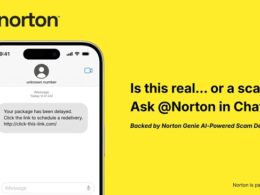
How did a single phishing email lead to a full-scale cybersecurity investigation in North St. Paul?
The North St. Paul Police Department in Minnesota has launched a formal investigation after a phishing email successfully compromised a single business email account, sparking an immediate emergency response from city officials. While initial containment measures appear to have limited the impact, the incident has prompted both legal and technical reviews—underscoring how even small municipalities can face sophisticated cybersecurity threats that once seemed reserved for larger cities or corporate networks.
City officials confirmed that the breach was discovered quickly, with IT staff moving to isolate the affected account before the intrusion could spread across the police department’s wider systems. Early assessments suggest no disruption to core public safety functions such as 911 dispatch, patrol communications, or emergency services coordination.

What triggered the emergency council meeting and forensic investigation after the breach?
Following the detection of the attack, the City Council held an emergency meeting to approve the hiring of law firm McDonald Hopkins and its cybersecurity affiliate, Arete Advisors. The investigative brief focuses on business email compromise (BEC) analysis, email log audits, and a full forensic review to determine whether sensitive data was accessed or exfiltrated. The immediate cost of the forensic review is projected at a minimum of USD 5,000, with the city expecting reimbursement from cyber insurance coverage arranged through the League of Minnesota Cities.
Officials noted that while the compromised account was isolated swiftly, the nature of phishing-based intrusions makes it essential to verify the full scope of exposure. This includes identifying any potential data loss, assessing whether the attack served as an entry point for broader network reconnaissance, and confirming whether personal or health-related information was affected.
What is the potential scope of data exposure from the compromised police department email account?
While public statements initially downplayed the likelihood of sensitive data being compromised, a letter from McDonald Hopkins dated July 23 indicated that there may be a risk of personal or health information being accessed. Officials have pledged to notify affected individuals directly if evidence of such exposure emerges during the forensic process.
This approach reflects growing best practice norms in municipal cybersecurity incident handling—ensuring transparency while also avoiding premature disclosures before facts are fully established. However, the acknowledgement of even potential exposure underscores why BEC incidents remain a leading concern for public-sector cybersecurity strategists.
Why is phishing still the most persistent cyber threat for municipal agencies in 2025?
From a cybersecurity perspective, phishing remains the top initial access vector for municipal breaches, with local governments often facing the dual challenge of smaller IT teams and legacy infrastructure. In this case, the breach serves as a reminder that well-crafted phishing emails can bypass even well-trained staff, especially when targeted at departments where urgent communications are routine.
Institutional cybersecurity observers have pointed out that while North St. Paul’s containment was swift, smaller agencies must not underestimate the potential impact of a single compromised account. Once attackers gain a foothold, they can use internal trust relationships to pivot toward more valuable targets or deploy ransomware.
The incident also highlights the evolving nature of phishing: modern campaigns often exploit real-world events, spoof trusted partners, or deploy malicious links embedded in legitimate-looking attachments—making detection harder without advanced threat filtering and staff vigilance.
How are insurance and pre-engaged response partners shaping municipal cyber readiness?
One of the notable elements in North St. Paul’s response is the pre-arranged cyber insurance coverage and the rapid engagement of a legal and technical response team. By having agreements in place with specialized providers such as McDonald Hopkins and Arete Advisors, the city was able to initiate a forensic review within days of the incident, rather than losing time to procurement delays.
Cyber insurance providers increasingly require policyholders to have documented incident response plans, regular staff training, and baseline security controls before coverage applies. In return, insured municipalities benefit from expedited access to digital forensics experts, breach coaches, and communications specialists—helping them navigate both technical remediation and public trust management.
What lessons can smaller municipalities draw from North St. Paul’s incident?
For smaller cities, the North St. Paul breach reinforces several key operational lessons. First, cyber safety is now as fundamental to public safety as patrol cars and emergency radios. Second, rapid detection and containment are critical to minimizing damage and restoring public confidence. Third, proactive measures—such as pre-engaging response partners, running tabletop simulations, and maintaining clear reporting protocols—can dramatically improve the speed and effectiveness of incident response.
Institutional sentiment suggests that while North St. Paul’s quick action likely contained the breach, the event should serve as a catalyst for broader regional collaboration on municipal cyber defense. Shared resources, joint procurement of advanced threat detection tools, and inter-city training exercises can help smaller municipalities raise their defensive posture without exceeding budget constraints.
Could public trust be affected even if the breach impact is minimal?
Cybersecurity experts often note that the public perception of a breach can be as significant as its technical impact. Even when investigations confirm limited data loss, the mere possibility of personal information exposure can erode community trust—especially when law enforcement agencies are involved.
For North St. Paul, maintaining transparency throughout the forensic process, providing timely updates, and offering support to any affected residents will be critical to managing reputational impact. Analysts suggest that consistent messaging and evidence-based assurances will help prevent misinformation from taking root in community discussions and local media.
Why are smaller towns increasingly becoming cyber targets?
Contrary to the belief that cybercriminals focus on large metropolitan areas or high-profile corporations, smaller towns are increasingly in the crosshairs. Threat actors recognize that smaller municipalities may have fewer dedicated IT staff, slower upgrade cycles, and less funding for security infrastructure—making them easier targets for opportunistic phishing campaigns and credential theft operations.
For attackers, the return on investment in targeting such entities can still be significant, as even small police departments handle sensitive criminal records, personally identifiable information (PII), and operational details that could be monetized on illicit markets.
What should residents and public agencies do in the wake of this incident?
While the city continues its investigation, residents are advised to remain alert for suspicious emails, unexpected requests for personal information, or unusual account activity. Public agencies, meanwhile, should treat the incident as a real-world case study—reviewing their own readiness, conducting phishing simulation drills, and ensuring that every employee understands how to recognize and report suspicious messages.
Discover more from Business-News-Today.com
Subscribe to get the latest posts sent to your email.