


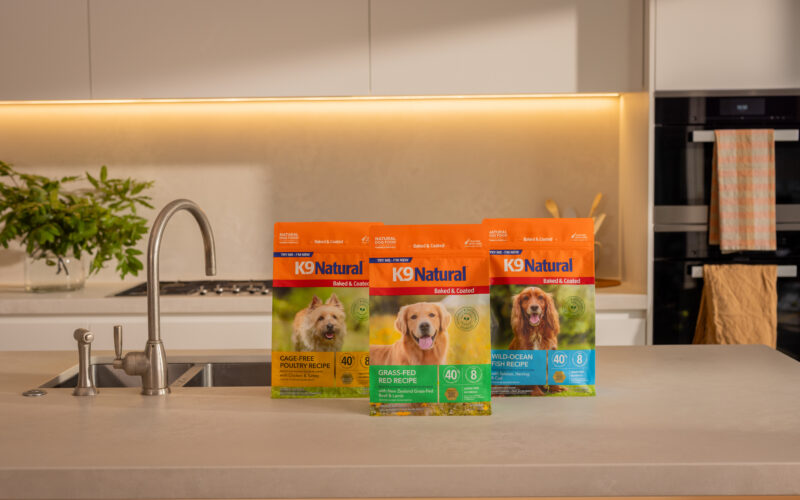
New Zealand-based Natural Pet Food Group has launched its K9 Natural Baked & Coated dry dog food in the United States, introducing a high-protein kibble designed to compete in the rapidly expanding premium pet nutrition segment. The product line delivers approximately 40 percent protein content and is positioned as a high-meat alternative to conventional dry dog food, reflecting the company’s broader strategy of bringing its freeze-dried nutrition philosophy into the everyday feeding category. Natural Pet Food Group expects the launch to strengthen K9 Natural’s presence in the U.S. super-premium dog food segment, which continues to grow as consumers demand cleaner ingredient lists and higher protein formulations. The move also signals increasing competition in a global premium pet food market projected to reach roughly $15.8 billion by 2033.
The debut of Baked & Coated marks a strategic shift for K9 Natural from its historical focus on freeze-dried diets and premium wet foods toward a broader everyday feeding solution designed for scale. Dry kibble remains the dominant format in the global dog food market because of its affordability, shelf stability, and convenience. Yet the category has been under growing scrutiny from pet owners who increasingly associate conventional kibble with lower ingredient transparency and higher levels of processing.
Natural Pet Food Group appears to be responding to that consumer perception gap by positioning Baked & Coated as a bridge product. Rather than abandoning kibble entirely, the company is attempting to redefine it. The approach combines baked production techniques with a bone broth coating and a formulation emphasizing whole animal ingredients rather than rendered meat meals. In practical terms, the company is trying to deliver the nutritional story typically associated with raw or freeze-dried diets in a format that pet owners can feed daily without the higher cost or preparation requirements.
Why is the premium dog food market shifting toward high-protein, high-meat formulations?
The global pet food industry has been undergoing a quiet but meaningful transformation over the past decade. As pets have increasingly been treated as family members rather than animals, the expectations placed on their diets have changed accordingly. Consumers are no longer satisfied with basic nutritional adequacy. Instead, they are seeking ingredients that resemble human food standards, including traceable sourcing, functional nutrition benefits, and higher protein levels.
Traditional super-premium kibble typically contains between 25 percent and 35 percent protein. Much of that protein often comes from rendered meat meals rather than fresh animal ingredients. While such formulations meet nutritional standards, they do not align neatly with the emerging narrative around minimally processed pet diets.
K9 Natural’s new formulation attempts to address that gap by pushing protein content to approximately 40 percent while emphasizing meat as the primary ingredient base. The company also highlights the absence of rendered meat meals, a detail that resonates with consumers who associate those ingredients with lower-quality processing.
This shift reflects broader industry trends. Pet food brands across North America and Europe have been experimenting with fresh-food delivery models, air-dried diets, and freeze-dried raw products. These formats emphasize ingredient quality but often carry higher price points that limit widespread adoption. A high-protein kibble positioned as nutritionally comparable but more convenient could therefore represent an important compromise for everyday feeding.
How does K9 Natural’s Baked & Coated strategy position Natural Pet Food Group in the U.S. market?
Natural Pet Food Group has historically built its brand identity around New Zealand-sourced animal proteins and a philosophy rooted in what the company describes as instinctive high-meat diets. That identity has served the company well in niche premium channels, particularly through freeze-dried diets and functional toppers.
However, freeze-dried food remains a relatively small portion of the broader pet food market due to its higher cost structure. Kibble, by contrast, dominates retail shelves across pet specialty stores, supermarkets, and online platforms.
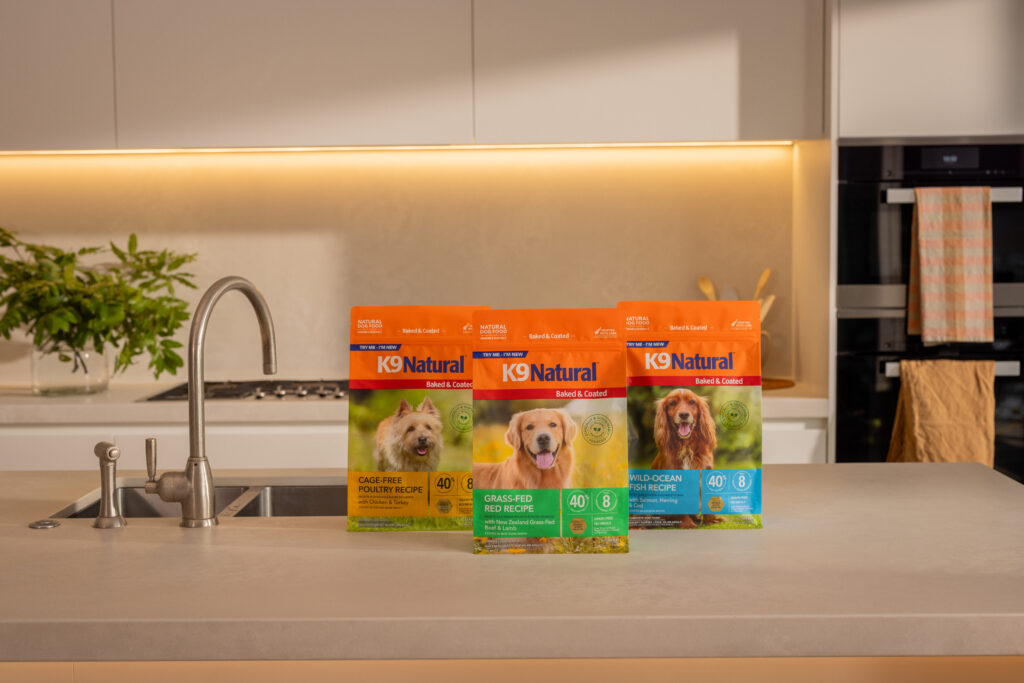
The launch of Baked & Coated therefore represents an effort to capture a larger share of the everyday feeding segment without abandoning the brand’s premium positioning. The three initial recipes reflect that balance. The Grass-Fed Red Recipe incorporates New Zealand beef and lamb. The Cage-Free Poultry Recipe includes chicken and turkey. The Wild Ocean Fish Recipe uses salmon, herring, cod, and whitefish sourced from sustainable fisheries.
Each recipe also incorporates additional functional ingredients such as green-lipped mussels, cranberries, kiwi fruit, and shiitake mushrooms, alongside prebiotics and postbiotics designed to support digestive health.
From a strategic standpoint, the move suggests that Natural Pet Food Group sees the United States as a critical growth market. The U.S. pet food industry remains the largest in the world, and the premium segment continues to expand faster than the overall category.
Can ingredient transparency and traceability become a competitive advantage in pet nutrition?
One of the most notable aspects of the Baked & Coated product launch is the emphasis on ingredient traceability. Natural Pet Food Group states that its ingredients are fully traceable to their country of origin and supported by supplier certifications.
Traceability has become an increasingly powerful marketing and trust factor in the pet food sector, particularly following high-profile recalls and contamination incidents over the past two decades. Pet owners who are willing to pay premium prices often prioritize sourcing transparency as much as nutritional content.
New Zealand offers a particular branding advantage in this regard. The country’s agricultural sector has cultivated a reputation for strict animal welfare standards, relatively low population density, and a strong export orientation in premium protein products. For pet food companies operating internationally, New Zealand sourcing can function as both a supply chain and marketing asset.
By highlighting grass-fed livestock, cage-free poultry, and sustainably caught fish, Natural Pet Food Group is leaning heavily into that national identity.
What competitive pressure could the Baked & Coated launch create for established premium kibble brands?
The super-premium dry dog food segment in the United States has become increasingly crowded, with established brands competing alongside a wave of newer entrants emphasizing natural or functional nutrition.
Companies such as Nestlé Purina, Mars Petcare, and Hill’s Pet Nutrition continue to dominate overall market share through scale and distribution reach. However, smaller premium brands have gained traction in specialty channels by emphasizing ingredient quality and niche nutritional philosophies.
K9 Natural’s approach places it in direct competition with other premium formulations that highlight high protein content, grain-free recipes, or limited ingredient diets. What differentiates the Baked & Coated concept is the attempt to combine several of those attributes into a single product narrative: high protein, no meat meals, grain-free ingredients, and traceable sourcing.
Whether that positioning resonates strongly enough to capture meaningful market share will depend largely on price competitiveness and retailer adoption.
Distribution will also be a critical factor. The product is initially available through independent pet retailers, a channel that often serves as an early testing ground for premium nutrition concepts before broader expansion into national retail chains or e-commerce marketplaces.
How does this launch reflect the broader evolution of pet food into a lifestyle consumer category?
The transformation of pet food into a lifestyle category has been one of the most striking developments in consumer goods over the past decade. Pet owners increasingly apply the same decision-making frameworks to animal nutrition that they use when choosing food for themselves.
That shift has fueled demand for organic ingredients, functional additives, and transparent sourcing. It has also blurred the boundary between pet food and human wellness trends.
Natural Pet Food Group’s messaging around bone broth coatings, superfood ingredients, and clean formulations mirrors many of the marketing narratives seen in human nutrition markets. In effect, the pet food industry is borrowing language and positioning strategies from the broader wellness economy.
This convergence may continue accelerating as younger consumers become the dominant demographic among pet owners. Millennials and Gen Z households tend to spend more on premium pet products and often prioritize sustainability and ethical sourcing.
If those behavioral trends continue, high-meat, minimally processed diets could become an increasingly important battleground in the competitive landscape of pet nutrition.
What strategic signals does this launch send about the future of premium kibble innovation?
K9 Natural’s entry into the premium kibble space underscores an important strategic reality within the pet food sector. Even as alternative formats gain attention, dry food remains the foundation of everyday feeding for most households.
Rather than attempting to replace kibble entirely, many companies are now experimenting with ways to reinvent it. Baking processes, broth coatings, and higher meat inclusion rates represent one possible pathway.
For Natural Pet Food Group, success will likely depend on whether consumers perceive Baked & Coated as a genuine upgrade over conventional kibble rather than simply a premium marketing narrative.
The company’s emphasis on protein density, ingredient sourcing, and nutritional transparency suggests that it believes the next phase of competition in pet food will revolve less around convenience and more around trust.
If that thesis proves correct, the premium kibble aisle may soon look very different from the one that dominated pet stores just a decade ago.
What are the key strategic implications of K9 Natural launching high-protein kibble in the U.S. pet food market?
- Natural Pet Food Group is expanding beyond freeze-dried diets into everyday feeding with the launch of Baked & Coated kibble.
- The 40 percent protein formulation reflects growing consumer demand for high-meat, protein-dense pet food products.
- Premium dry dog food remains a high-growth segment, with U.S. super-premium kibble sales rising between 5 percent and 10 percent annually.
- Ingredient transparency and traceability are emerging as important competitive differentiators in premium pet nutrition.
- The product launch positions K9 Natural to compete more directly with established premium kibble brands in specialty retail channels.
- New Zealand sourcing provides a marketing and supply chain advantage tied to perceptions of quality and sustainability.
- The strategy reflects a broader industry trend toward reinventing kibble rather than abandoning it.
- Retail distribution through independent pet stores suggests a deliberate entry strategy targeting premium consumers first.
- Functional ingredients and superfood additions align the product with broader wellness trends influencing pet owners.
- If successful, the launch could signal a shift toward higher-protein formulations becoming the new standard in premium dry dog food.
Discover more from Business-News-Today.com
Subscribe to get the latest posts sent to your email.