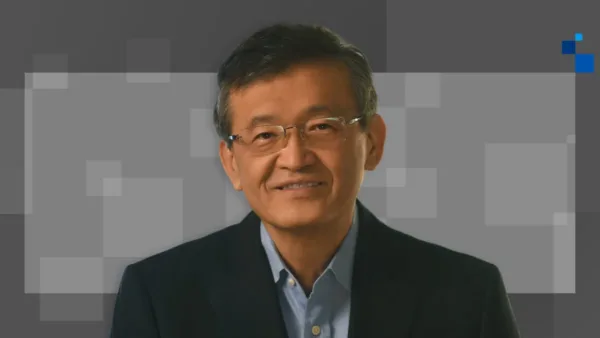
Intel Corporation has announced the appointment of Lip-Bu Tan as its new chief executive officer, effective March 18, 2025. This leadership transition marks a critical moment for the semiconductor giant as it navigates increasing competition and works to regain its position as an industry leader. Tan, a respected technology executive with a strong background in semiconductor design and investment, will also rejoin Intel’s board of directors. His appointment is seen as a strategic move to strengthen the company’s innovation efforts, enhance its foundry business, and accelerate its long-term growth plans.
He succeeds interim co-CEOs David Zinsner and Michelle (MJ) Johnston Holthaus, both of whom will continue in their leadership roles. Zinsner will remain as executive vice president and chief financial officer, while Johnston Holthaus will continue as CEO of Intel Products. Frank D. Yeary, who served as interim executive chair of the board, will return to his position as independent chair following Tan’s transition into the role.

The leadership change comes at a time when Intel is facing increasing pressure from industry rivals, including Taiwan Semiconductor Manufacturing Company (TSMC) and Advanced Micro Devices (AMD). The company has been working to execute a strategic turnaround, focusing on process technology advancements, expanding its contract chip manufacturing business, and improving execution in product development.
Why Did Intel Choose Lip-Bu Tan as CEO?
Intel’s decision to appoint Tan reflects its broader strategy of reinforcing leadership stability and securing long-term growth. With more than two decades of experience in semiconductor technology, foundry strategy, and investment, Tan has built a strong reputation for driving business transformation. His leadership is expected to align with Intel’s vision of strengthening its computing platforms, enhancing manufacturing capabilities, and delivering innovative semiconductor solutions.
Tan previously served as CEO of Cadence Design Systems from 2009 to 2021, where he successfully led the company through a major transformation. During his tenure, Cadence’s revenue more than doubled, operating margins expanded, and its stock price surged by over 3,200%. His ability to execute strategic shifts and drive sustained growth has made him a highly regarded leader in the technology sector.
Beyond his role at Cadence, Tan has been deeply involved in technology investment. He is a founding managing partner of Walden Catalyst Ventures and chairman of Walden International, where he has backed numerous semiconductor and high-performance computing companies. He also serves on the boards of Credo Technology Group and Schneider Electric, further strengthening his influence in the semiconductor ecosystem.
Tan’s academic background includes a Bachelor of Science in physics from Nanyang Technological University in Singapore, a Master of Science in nuclear engineering from the Massachusetts Institute of Technology, and an MBA from the University of San Francisco. In 2022, he received the Robert N. Noyce Award from the Semiconductor Industry Association, a recognition of his contributions to the industry.
What Challenges Does Intel Face Under New Leadership?
Intel’s leadership transition comes at a time when the company is working to overcome several challenges. The global semiconductor industry is more competitive than ever, with TSMC and AMD gaining significant market share in high-performance computing and advanced chip manufacturing. Intel has faced delays in process node advancements, supply chain disruptions, and increased demand for custom semiconductor solutions.
The company has also been working to expand its foundry business through Intel Foundry Services (IFS), an initiative aimed at establishing Intel as a major player in contract chip manufacturing. Competing with TSMC and Samsung in this space requires significant investments in process technology, customer partnerships, and operational efficiency.
Intel’s ability to execute on these strategic initiatives will be crucial in determining its long-term success. Investors and analysts will be watching closely to see whether Tan can drive meaningful improvements in Intel’s semiconductor manufacturing roadmap, strengthen its position in artificial intelligence-driven computing, and rebuild investor confidence.
What Are Tan’s Immediate Priorities as Intel’s CEO?
Tan has outlined a clear focus on strengthening Intel’s process technology roadmap, expanding its contract chip manufacturing capabilities, and enhancing its leadership in artificial intelligence and high-performance computing. His customer-first approach aligns with Intel’s strategy of positioning itself as a trusted partner for enterprises, cloud service providers, and government agencies that rely on cutting-edge semiconductor solutions.
One of his key priorities will be ensuring Intel delivers on its commitment to advancing process technology. The company has been working to catch up with TSMC and Samsung in developing sub-3nm process nodes, a crucial factor in regaining semiconductor leadership. Another focus will be scaling Intel Foundry Services by securing high-profile customers for its manufacturing business, an area where competitors have traditionally dominated.
Artificial intelligence and edge computing are also central to Intel’s growth strategy. As AI adoption accelerates, the demand for custom silicon and high-performance computing solutions is increasing. Tan’s background in semiconductor investment and product innovation positions him well to drive Intel’s initiatives in AI-driven computing, data center technologies, and next-generation chip architectures.
Additionally, investor confidence will be a major area of focus. Intel’s stock has faced volatility in recent years, with concerns over execution delays, competitive pressures, and shifting industry dynamics. The company’s ability to demonstrate progress in manufacturing efficiency and product development under Tan’s leadership will be a key factor in shaping market sentiment.
How Will Intel’s Stock Performance Be Affected?
Tan’s appointment has sparked discussions among investors about the potential impact on Intel’s stock performance. Leadership changes at major technology companies often lead to shifts in market sentiment, particularly when a new CEO brings a history of delivering strong financial results.
Intel’s stock has faced challenges due to execution issues, supply chain disruptions, and aggressive competition. However, if Tan is able to demonstrate clear progress in product development, foundry expansion, and financial performance, investor confidence could strengthen. Market analysts will be looking for early indicators of strategic execution, particularly in Intel’s ability to improve manufacturing efficiency, secure major foundry customers, and drive revenue growth.
With Intel making significant investments in AI, high-performance computing, and data center solutions, the company’s long-term stock performance will be closely tied to its ability to deliver innovative and competitive semiconductor products.
What’s Next for Intel Under Tan’s Leadership?
Intel is entering a new phase of strategic transformation, with Tan’s leadership expected to play a key role in shaping the company’s future. His experience in semiconductor technology, business transformation, and customer-focused innovation makes him a strong fit for Intel’s ambitious goals.
The semiconductor industry is evolving rapidly, with increasing demand for AI-driven chips, custom silicon solutions, and high-performance computing platforms. Intel’s ability to adapt to these shifts and execute on its process technology roadmap will determine its position in the market over the coming years.
As Tan takes on the CEO role, industry observers will be watching how Intel moves forward in reclaiming semiconductor leadership, expanding its foundry services, and strengthening its competitive position. The coming quarters will be crucial in assessing how well the company can navigate industry challenges and capitalize on emerging opportunities under his leadership.
Discover more from Business-News-Today.com
Subscribe to get the latest posts sent to your email.