




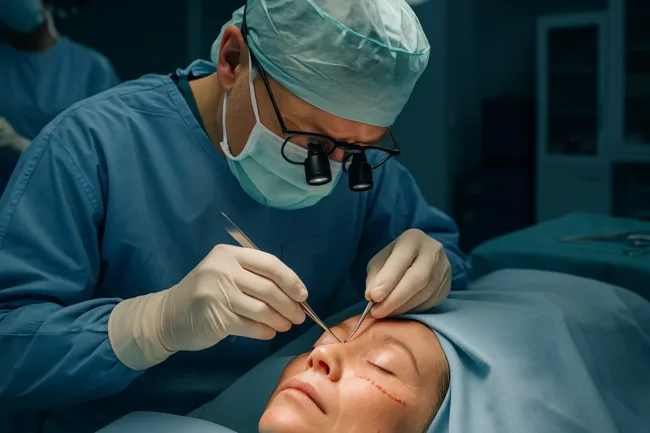
Plastic surgery has become an essential branch of modern medicine that goes beyond aesthetic enhancement to restore both form and function after injury, illness, or congenital conditions. One of its most sought-after applications is scar reduction, a procedure designed to make scars less noticeable and blend more naturally with surrounding skin. Whether scars are the result of birth defects, traumatic injuries, burns, or previous surgeries, reconstructive techniques can help transform them from thick, raised, or discoloured marks into faint lines that integrate smoothly with the skin’s natural texture.
Scar reduction is not just about appearance. For many people, scars serve as an emotional reminder of distressing events, and improving their appearance can have a profound impact on confidence and overall well-being. Advances in surgical methods, combined with non-surgical therapies, now offer highly customised treatment plans to suit different scar types and patient needs.
What types of scars can be improved through modern plastic surgery for scar reduction?
Not all scars are the same, and the surgical approach to improving them depends on their type, location, and severity. Hypertrophic scars are thick, raised, and often red, but they remain within the boundaries of the original wound. Keloid scars go beyond the wound edges and can grow significantly over time, sometimes becoming itchy or painful. Contracture scars, often the result of severe burns, tighten the skin and may limit movement. There are also scars from congenital conditions, such as cleft lip repairs, which may require revision as the patient grows.
Plastic surgeons consider factors such as scar age, tissue health, pigmentation, and elasticity before recommending a procedure. In general, surgery is more effective when surrounding tissues are healthy and have good blood supply, which supports optimal healing and reduces the risk of complications.
How is plastic surgery for scar reduction performed and what methods provide the best outcomes?
The most common surgical technique for scar revision is excision with primary closure, where the surgeon carefully removes the scar and brings the skin edges together using very fine sutures. These stitches are placed with precision to reduce tension on the wound edges, which in turn minimises the risk of new scar formation.
Advanced methods like Z-plasty and W-plasty involve repositioning the scar along natural skin lines or creases to make it less noticeable. In more severe cases, particularly after burns or significant tissue loss, surgeons may use skin grafts or flap procedures. A flap moves healthy skin along with its blood vessels from a nearby area to cover the scar site, improving both function and appearance.

In many cases, these surgical methods are combined with non-surgical treatments such as laser therapy, dermabrasion, or microneedling to refine the skin’s texture and colour after surgery.
Why is the condition of surrounding tissue so important in determining surgical success?
Healthy surrounding tissue is critical for the success of any scar revision. Poor vascularity, reduced elasticity, or damage from burns or radiation can slow healing and compromise results. Surgeons often assess blood flow, skin quality, and the presence of any underlying medical conditions before proceeding.
When tissue quality is poor, a staged approach may be recommended. This can include pre-conditioning the area with topical treatments, silicone gels, or even laser therapy to improve skin health before surgical intervention. In some cases, delayed reconstruction is preferred to ensure that the skin is strong enough to handle the procedure.
What historical cases shaped the development of scar revision surgery techniques?
The modern era of scar revision can be traced back to the early 20th century, with one particularly notable case often cited in medical history. In 1917, Sir Harold Delf Gillies, known as one of the founding figures of modern plastic surgery, performed a groundbreaking operation on Walter Yeo, a sailor injured during World War I. Yeo had lost both his upper and lower eyelids in an accident, and Gillies used a skin flap from an unaffected area to reconstruct them.
This pioneering use of flap surgery not only restored part of Yeo’s facial features but also demonstrated the potential of skin transfer techniques for functional and cosmetic restoration. Gillies’ methods laid the foundation for the rapid development of reconstructive surgery, especially during wartime, when thousands of soldiers needed facial repairs.
How have modern innovations transformed scar reduction surgery into a more precise and predictable process?
Today’s scar revision procedures benefit from technologies that allow surgeons to work with greater precision and predictability. Microsurgical instruments enable delicate tissue handling, reducing trauma to surrounding skin. Absorbable sutures eliminate the need for stitch removal and decrease infection risk. Computer-assisted surgical planning helps align incisions with natural skin tension lines, improving the way scars heal and blend.
Adjunctive treatments such as fractional CO₂ laser resurfacing, platelet-rich plasma therapy, and silicone gel applications are now widely used to accelerate healing and improve scar quality. In some cases, fat grafting is performed to restore volume beneath the scar, creating a smoother surface.
How do patients prepare for and recover from plastic surgery for scar reduction?
Pre-surgical preparation involves a thorough consultation to set realistic expectations and review potential risks. Surgeons may advise patients to stop smoking, maintain good nutrition, and avoid medications that increase bleeding risk.
Recovery times vary depending on the complexity of the surgery, but initial healing usually occurs within a few weeks. Patients may experience swelling, redness, and mild discomfort, which gradually improve. The scar continues to remodel for months, with changes in colour and texture becoming more noticeable over time. Sun protection, topical care, and regular follow-ups are essential for optimal healing.
Why is scar reduction surgery considered both a cosmetic and a functional procedure?
While improving appearance is a major goal, scar reduction can also restore vital functions. Contracture scars on joints can limit mobility, while those on the eyelids, lips, or nose can affect blinking, eating, or breathing. In such cases, surgical correction is not merely cosmetic—it is necessary for restoring normal function.
Psychological benefits are equally important. Research shows that visible scars can affect social interactions and self-esteem. Corrective surgery can help patients regain confidence and reduce the emotional burden of living with a noticeable scar.
How does modern plastic surgery integrate art, science, and medicine to reduce scars?
Plastic surgery for scar reduction has progressed from the pioneering skin flap operations of Sir Harold Gillies to today’s technology-assisted, multi-step procedures. Modern techniques focus on both the physical and emotional impact of scarring, offering solutions that restore appearance, improve function, and enhance quality of life.
By combining surgical skill, medical science, and aesthetic judgement, today’s plastic surgeons can help patients achieve results that are natural, functional, and long-lasting. Scar reduction is no longer just about removing marks—it is about helping people move forward without the constant reminder of past injuries or conditions.
Discover more from Business-News-Today.com
Subscribe to get the latest posts sent to your email.

