


What is driving Kaiser Permanente’s decision to launch its largest facility expansion across Colorado since 2010?
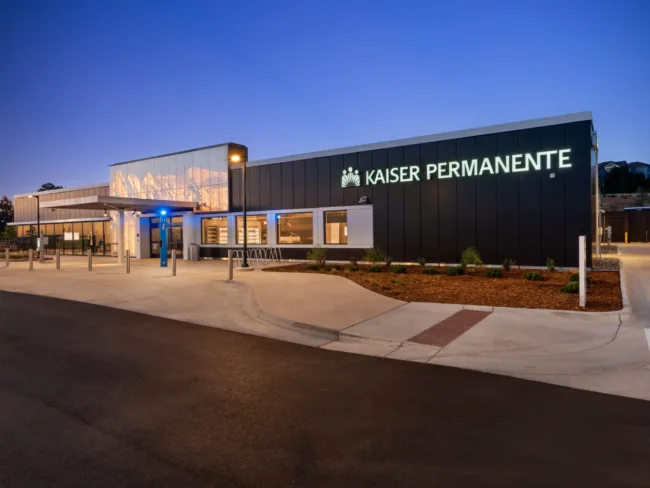
Kaiser Permanente, the nonprofit health system and integrated health plan, has officially kicked off its largest brick-and-mortar expansion in Colorado in over 15 years with the inauguration of its new Parker Medical Offices. The new 30% larger, standalone facility located at 12249 Pine Bluffs Way will begin accepting patients from July 14, 2025. This development is part of a broader multi-site investment strategy across the Front Range region that includes rebuilding the Westminster Medical Offices, opening new urgent care services in Rock Creek, and launching two additional offices in Pueblo North and Lakewood by early 2026.
Institutional sentiment suggests that Kaiser Permanente is taking deliberate steps to solidify its position as Colorado’s leading nonprofit healthcare provider. According to analysts tracking regional health infrastructure developments, this surge in physical expansion is also a strategic hedge against rising competition in primary and outpatient care from retail entrants and smaller managed care networks. By aligning its expansion to high-growth population corridors, particularly in suburban and semi-urban pockets like Parker, Westminster, and Lafayette, Kaiser Permanente appears to be balancing capacity growth with membership demand.
How do the new Parker Medical Offices reflect Kaiser Permanente’s integrated care model and population growth strategy?
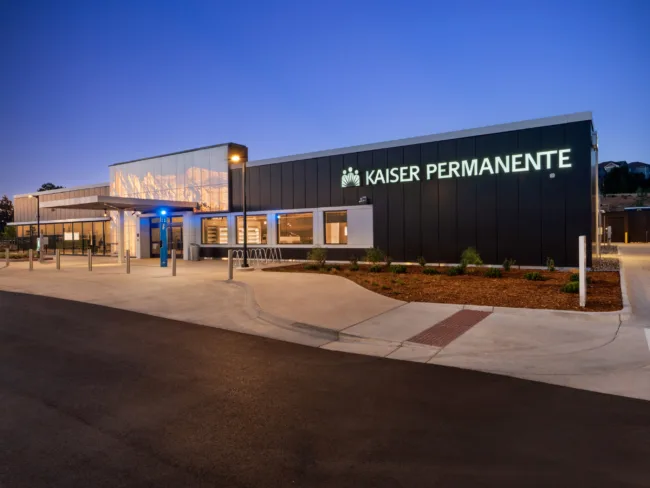
The new Parker Medical Offices offer a tangible upgrade from Kaiser Permanente’s previously leased facility in the area, featuring 20 exam rooms (compared to 12 earlier), highly IT-enabled infrastructure to support both in-person and virtual visits, and a floor plan designed to optimize clinical workflows. With an increase of over 3,000 Parker-area members since 2020, the nonprofit health plan is adapting to rising demand in Douglas County—one of the fastest-growing suburban regions in Colorado.
The inclusion of core services such as primary care, laboratory testing, imaging, pharmacy, and nurse visits under one roof reaffirms Kaiser Permanente’s long-standing model of delivering integrated care and coverage. Moreover, the physical space design reflects an updated patient experience philosophy: exam rooms that support hybrid visits, workflow-based clinician zones, and ambient wellness elements like locally curated art. These features are designed not only to support current patient volumes but also to absorb future demographic shifts anticipated over the next decade.
What is the strategic significance of Kaiser Permanente’s planned Westminster and Rock Creek expansions?
Beyond Parker, the expansion of Kaiser Permanente’s footprint is equally focused on modernization and regional accessibility. A full rebuild of its Westminster Medical Offices—originally constructed in 1976—is in early planning stages. While final blueprints are still being drafted, officials have indicated the future facility could include an outpatient surgery center and expanded urgent care capacity. These additions are expected to ease pressure on nearby hospital systems, especially as Kaiser Permanente broadens its physician partnerships across the Denver Metro area.
Simultaneously, the Rock Creek Medical Offices in Lafayette are being augmented with new urgent care services. This focus on outpatient and urgent care aligns with broader trends in U.S. healthcare delivery, where patients increasingly prefer non-hospital settings for routine and semi-emergent care. Analysts view these targeted investments as part of a dual-pronged strategy—meeting community health needs while offloading costly emergency department utilization across its partner hospital network.
How are hospital affiliations shaping Kaiser Permanente’s competitive edge in the Denver Metro market?
Kaiser Permanente has deepened its hospital affiliations in Colorado, with seven new Metro Denver hospitals added to its network since 2024. These include CommonSpirit’s St. Anthony facilities in Lakewood and Westminster, as well as HCA HealthONE’s Presbyterian St. Luke’s and Rose Medical Center in Denver. Notably, the HCA HealthONE partnership reached a symbolic milestone this month with the delivery of the first “Rose Babies”—marking the beginning of maternity services integration between the two health systems.
These hospital affiliations provide Kaiser Permanente with a critical competitive edge in managing patient care across a continuum—from preventive and outpatient services at its medical offices to specialized inpatient care at major urban hospitals. Institutional observers note that this hybrid model of in-house care supported by external hospital partnerships allows the nonprofit to maintain cost-efficiency without compromising patient outcomes. It also enhances its attractiveness to employers, payers, and government agencies seeking scalable value-based care options.
What are the longer-term implications of this physical expansion for affordability and care access in Colorado?
Mike Ramseier, president of Kaiser Permanente in Colorado, emphasized that these investments are designed to enhance affordability, access, and choice for members across the Front Range. Internal sentiment from leadership indicates that Kaiser Permanente views these developments as pivotal to maintaining its competitive edge in a rapidly consolidating healthcare landscape.
From a financial standpoint, these expansions are expected to streamline operational costs by shifting patients away from leased or hospital-based settings into purpose-built outpatient centers. Over the long term, analysts believe this will translate to more predictable margins and better care coordination—key tenets in Kaiser Permanente’s value-based care framework. Community engagement, particularly through grand opening events like the Parker teddy bear clinic on July 19, reinforces the nonprofit’s positioning as a community-first health partner.
What future developments could further define Kaiser Permanente’s Colorado market leadership in 2026 and beyond?
The coming 12–18 months will likely bring further clarity on Kaiser Permanente’s design and service expansion plans for its Westminster and Rock Creek projects. Construction timelines, service additions such as specialty clinics or behavioral health support, and integration with its digital care platform are all areas of expected evolution. In parallel, the nonprofit is also expected to continue pursuing population health initiatives tied to its core mission—especially as Colorado grapples with access gaps in rural and underserved urban zones.
Future analyst commentary may hinge on how successfully Kaiser Permanente balances capital expenditure with utilization metrics across these new sites. While early momentum is strong, continued member migration, regional hiring, and macroeconomic conditions (especially interest rates and construction costs) will impact future rollout speed and scope.
Could Kaiser Permanente’s Colorado expansion reshape regional healthcare delivery benchmarks?
Kaiser Permanente’s Colorado infrastructure expansion represents more than just physical growth—it signals a renewed commitment to regional healthcare leadership anchored in affordability, access, and clinical integration. With rising competition from new market entrants and retail health providers, institutional watchers believe this expansion could serve as a bellwether for how nonprofit health systems evolve to meet the next decade’s care delivery challenges. The strategic mix of facility upgrades, hospital affiliations, and digital-ready infrastructure places Kaiser Permanente in a favorable position to set the benchmark for holistic, patient-centric healthcare in Colorado.
Discover more from Business-News-Today.com
Subscribe to get the latest posts sent to your email.