




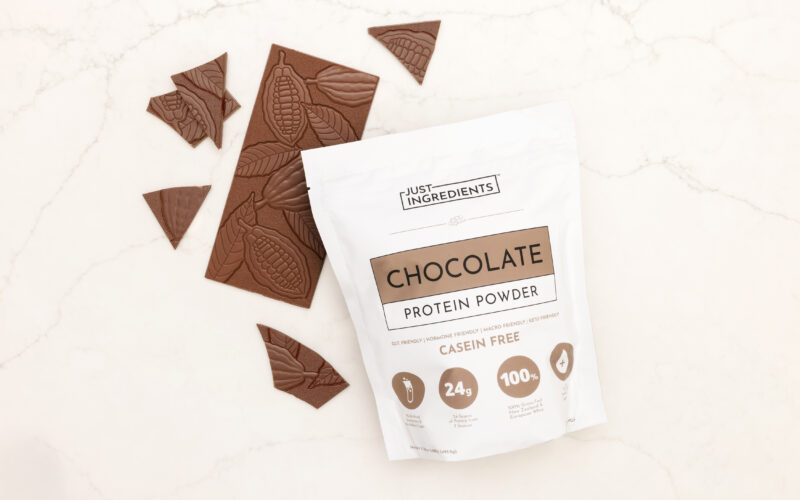
Just Ingredients has secured nationwide placement of 15 of its bestselling protein powders and nutritional supplements across Target Corporation stores in the United States, moving the Utah-based wellness brand from primarily direct-to-consumer distribution into one of the country’s most influential mass retail channels. The expansion immediately elevates Just Ingredients’ physical retail footprint and positions the brand at the intersection of clean-label nutrition demand and mainstream consumer accessibility, a shift with implications well beyond shelf space.
The move matters now because big-box retail has become the decisive battleground for supplement brands seeking scale without eroding trust. By entering Target Corporation at a moment when consumers are scrutinising ingredient transparency and pricing more closely than ever, Just Ingredients is effectively testing whether education-led, premium-positioned wellness brands can translate digital loyalty into repeat, in-store purchasing at national volume.
How Just Ingredients’ Target Corporation rollout signals a transition from niche DTC brand to mainstream retail contender
For Just Ingredients, the Target Corporation launch represents a strategic transition rather than a simple distribution win. Until now, the company’s growth has been driven largely by direct-to-consumer channels, social media education, and community-based trust built around ingredient disclosure and formulation clarity. Moving into Target Corporation shifts the operating model from controlled, founder-led storytelling to shared narrative space, where the brand must communicate value in seconds, not podcasts.
This transition is significant because national big-box retail imposes operational discipline that many digital-first wellness brands struggle to sustain. Inventory planning, demand forecasting, slotting economics, promotional cadence, and compliance all become non-negotiable. By placing 15 products on shelves nationwide, Just Ingredients is signaling confidence not only in consumer demand, but also in its ability to support supply chain consistency and retailer expectations at scale.
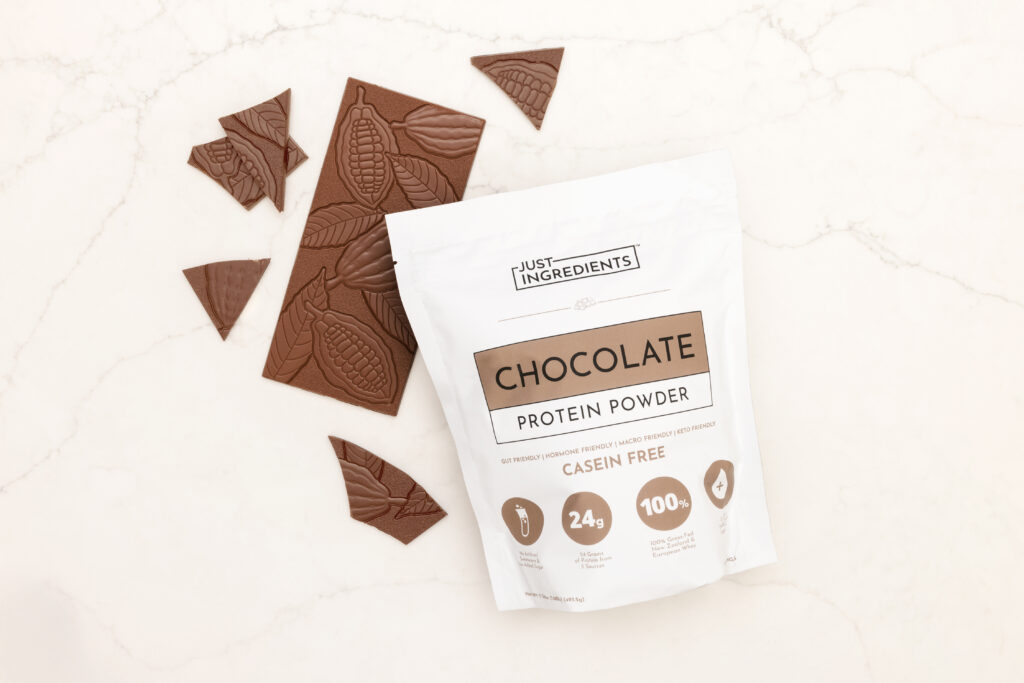
The choice of products is telling. Protein powders in multiple flavors anchor the lineup, complemented by electrolytes, pre-workout formulations, and supplements tied to mood, sleep, and daily energy. This portfolio mix reflects a deliberate balance between high-velocity staples and functional wellness categories that drive repeat purchasing. It also aligns closely with Target Corporation’s customer base, which skews toward health-conscious households seeking perceived quality without boutique pricing.
Why Target Corporation is becoming the proving ground for ingredient transparency and clean-label supplement brands
Target Corporation has quietly become one of the most influential gatekeepers in the health and wellness retail ecosystem. Its merchandising strategy increasingly prioritises brands that combine functional claims with credible sourcing narratives, particularly in categories where consumer skepticism is rising. Supplements, once dominated by opaque formulations and aggressive claims, are now under heightened scrutiny from both shoppers and regulators.
For Target Corporation, onboarding Just Ingredients serves multiple strategic objectives. It reinforces the retailer’s positioning as a destination for better-for-you products while differentiating its wellness aisles from discount-led competitors. At the same time, it allows Target Corporation to test whether education-first brands can perform at shelf without heavy discounting or constant promotional support.
This dynamic matters because mass retailers are increasingly selective. Shelf space is finite, and underperforming SKUs are rotated out quickly. Just Ingredients’ success or failure in Target Corporation will be closely watched by other clean-label brands considering similar moves, as well as by retailers evaluating whether transparency-driven narratives translate into sustained sell-through.
How founder-led trust and social influence translate, or fail to translate, inside big-box retail environments
Just Ingredients’ brand equity has been closely tied to its founder, Karalynne Call, whose education-focused content and social reach have played a central role in customer acquisition. In a direct-to-consumer setting, this model works well. Consumers opt in to long-form explanations, ingredient breakdowns, and trust-building narratives.
In-store retail, however, compresses that relationship. Shoppers encounter the product alongside dozens of alternatives, often making decisions in under a minute. The challenge for Just Ingredients is to distill its trust proposition into packaging, pricing, and placement that resonate without the benefit of extended explanation.
This is where the company’s emphasis on clear labeling and avoidance of artificial additives becomes strategically important. Rather than relying on abstract claims, the brand can lean on straightforward ingredient lists that stand out in a crowded category. If executed well, this approach allows the product itself to function as a proxy for the founder’s educational voice.
The risk, however, is dilution. As more clean-label claims flood the market, differentiation becomes harder. Just Ingredients must ensure that its in-store messaging remains distinct enough to justify its positioning, particularly if competitors mimic similar language without matching formulation rigor.
What this expansion reveals about competitive pressure in the U.S. nutritional supplements market
The U.S. supplements market is increasingly bifurcated. At one end are low-cost, commoditised products competing primarily on price. At the other are premium brands emphasising sourcing, formulation, and lifestyle alignment. Just Ingredients’ Target Corporation rollout places it squarely in the latter camp, but within a mass retail context traditionally dominated by the former.
This positioning creates both opportunity and tension. On one hand, national distribution dramatically expands addressable market and brand visibility. On the other, price sensitivity among big-box shoppers can challenge premium margins. The ability to maintain pricing discipline while delivering volume will be a key determinant of long-term success.
Competitively, the move pressures mid-tier supplement brands that lack either strong price advantage or compelling transparency narratives. As Target Corporation allocates shelf space to brands like Just Ingredients, incumbents may be forced to reformulate, rebrand, or accept reduced visibility. Over time, this could accelerate consolidation or repositioning across the category.
How supply chain execution and portfolio discipline will determine whether this launch scales sustainably
National retail expansion is as much an operational test as a branding exercise. Just Ingredients must now manage production volumes, quality control, and logistics at a scale that tolerates little margin for error. Any inconsistency in availability or quality risks damaging both retailer relationships and consumer trust.
Portfolio discipline will also matter. While the company offers over 200 nutrition and beauty products, only a curated subset has entered Target Corporation. This restraint suggests an awareness that overextension can dilute focus and strain execution. The challenge will be resisting the temptation to rapidly expand SKUs before core products establish consistent performance metrics.
From an industry perspective, this disciplined approach contrasts with past waves of wellness brands that pursued aggressive SKU proliferation, only to retreat when operational complexity outpaced demand. If Just Ingredients maintains a measured expansion strategy, it may offer a more sustainable template for scaling clean-label brands in mass retail.
Why this retail move matters for the broader shift toward everyday wellness consumption
Beyond company-specific implications, the Target Corporation rollout reflects a broader shift in how consumers engage with wellness. Supplements are increasingly viewed not as niche or aspirational products, but as everyday essentials integrated into routine shopping habits. Placement in a retailer like Target Corporation reinforces this normalization.
This matters for industry dynamics because mainstream adoption tends to compress margins while expanding volume. Brands that can maintain trust and perceived value under these conditions are likely to emerge as category leaders. Those that rely solely on exclusivity or digital storytelling may find their growth constrained.
In that sense, Just Ingredients’ expansion is less about novelty and more about endurance. It is a bet that transparency and formulation integrity can compete, and win, in environments where convenience and price have historically dominated.
What happens next if Just Ingredients succeeds or struggles in national big-box retail
If the Target Corporation rollout performs well, Just Ingredients is likely to pursue deeper integration, including expanded shelf presence, additional product categories, and potential exclusives tailored to mass retail audiences. Success could also open doors to other national retailers, accelerating the brand’s transition into a household name.
Conversely, if sell-through underperforms or margins erode under promotional pressure, the company may need to recalibrate. That could mean narrowing its retail focus, reinforcing direct-to-consumer channels, or refining its value proposition to better align with in-store purchasing behavior.
Either outcome will offer lessons for the broader clean-label ecosystem. The results will inform how brands balance education, trust, and scale in an environment where consumers increasingly demand all three, often at conflicting price points.
Key takeaways: what Just Ingredients’ Target Corporation expansion signals for the supplements industry
- Just Ingredients’ nationwide Target Corporation placement marks a strategic shift from niche direct-to-consumer growth to mainstream retail scale.
- The move tests whether education-first, transparency-driven supplement brands can sustain performance in big-box environments.
- Target Corporation continues to position itself as a gatekeeper for credible clean-label wellness products.
- Founder-led trust must now be translated into packaging and shelf-level differentiation.
- Competitive pressure will intensify for mid-tier supplement brands lacking clear price or transparency advantages.
- Operational execution and supply chain consistency will be critical determinants of long-term success.
- Portfolio restraint suggests a disciplined approach to scaling rather than rapid SKU expansion.
- The rollout reflects the normalization of supplements as everyday consumer staples.
- Success or failure will influence how other clean-label brands approach mass retail partnerships.
Discover more from Business-News-Today.com
Subscribe to get the latest posts sent to your email.