KKR & Co. Inc. (NYSE: KKR), one of the world’s largest alternative asset managers, has expanded its partnership with the Abu Dhabi National Oil Company (ADNOC) through a new investment in ADNOC Gas Pipeline Assets LLC. The deal, announced on October 1, 2025, involves KKR acquiring a minority stake in the gas pipeline business, further solidifying the private equity firm’s role as a strategic partner for Abu Dhabi’s state energy champion.
While exact financial terms have not been disclosed, the announcement is being closely tracked by institutional investors who view it as a continuation of the landmark 2019 oil pipeline transaction between KKR and ADNOC. That earlier deal introduced a new template for foreign direct investment into Middle Eastern energy infrastructure — one that offered international investors access to high-quality, yield-driven assets while allowing ADNOC to maintain operational control and sovereignty.
The latest pipeline stake cements Abu Dhabi’s position as a magnet for foreign institutional capital, highlighting its strategy of balancing openness to private investors with a strong national ownership framework. For KKR, the move reflects confidence not only in ADNOC’s operational credibility but also in Abu Dhabi’s wider economic vision and governance stability.

How does the ADNOC gas pipeline network fit into the UAE’s broader energy transition and what role does it play in the domestic economy?
ADNOC Gas Pipeline Assets LLC owns and operates a network that links upstream production to downstream utilities and industrial customers within the UAE. These pipelines provide the backbone for the country’s domestic energy supply, ensuring gas delivery to power plants, water desalination units, and heavy industry.
In the context of the UAE’s energy transition, these pipelines represent more than just midstream infrastructure. Natural gas is positioned as the bridge fuel underpinning Abu Dhabi’s net-zero 2050 roadmap. By monetizing non-core assets such as pipeline stakes, ADNOC frees up capital that can be deployed toward decarbonization initiatives, including blue hydrogen projects, carbon capture and storage facilities, and renewable energy expansions.
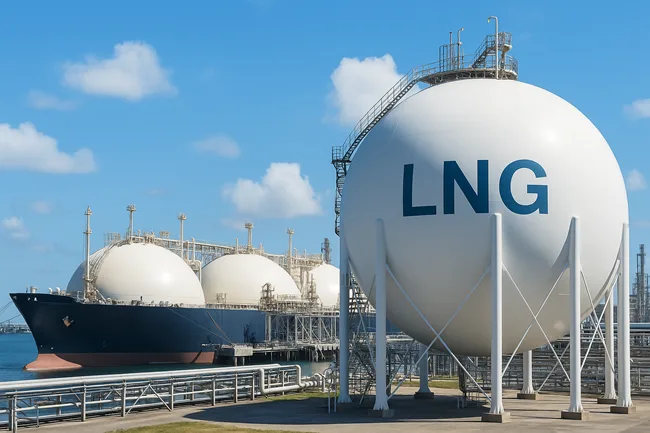
Analysts suggest that the gas pipeline network is strategically important because it guarantees reliability in domestic supply while complementing the UAE’s push into LNG exports. As Abu Dhabi builds capacity in liquefied natural gas for international markets, stable gas flows at home allow the country to manage domestic demand and export commitments simultaneously.
What lessons from the 2019 oil pipeline deal shaped this new gas pipeline investment structure between KKR and ADNOC?
The 2019 oil pipeline deal was a watershed moment for both ADNOC and global investors. Valued at $4 billion, it represented the first time international funds gained direct exposure to UAE energy infrastructure. The structure of that transaction allowed ADNOC to retain operational control while selling minority stakes to global institutions such as KKR and BlackRock, unlocking capital without diluting national sovereignty.
That model has since become a blueprint across the Gulf. Saudi Aramco has struck similar transactions with Western and Asian investors, while QatarEnergy has been exploring long-term partnerships to finance LNG infrastructure. For KKR, the latest ADNOC deal represents a continuation of this model, providing long-duration managed accounts that match yield-hungry capital with defensive assets.
Institutional sentiment around the structure remains positive because it reduces regulatory and political risk. By keeping ownership and day-to-day operations with ADNOC, the risk of foreign interference or policy disruption is minimized, giving investors confidence in predictable cash flows over decades.
How does KKR’s global infrastructure strategy align with its push into the Middle East and what are the firm’s broader ambitions in the region?
Since launching its Global Infrastructure Strategy in 2008, KKR has become one of the most active investors in the asset class, deploying more than $90 billion worldwide. Its infrastructure portfolio includes regulated utilities, transportation networks, renewable energy, telecommunications towers, and data centers. With a team of more than 130 professionals across North America, Europe, Asia Pacific, and the Middle East, KKR has built a platform designed to capture long-dated yield across sectors that underpin economic stability.
The Middle East is emerging as one of its priority regions. KKR has maintained a presence in the Gulf for 16 years, expanding significantly in 2025 by appointing General David Petraeus as Chairman of its Middle East operations and establishing a regional investment team led by Julian Barratt-Due. Earlier this year, KKR invested in Gulf Data Hub, a Dubai-based independent data center operator positioned to accelerate digital transformation and artificial intelligence adoption in the region.
By pairing energy infrastructure such as ADNOC pipelines with digital infrastructure like Gulf Data Hub, KKR is diversifying its regional portfolio across both traditional and emerging sectors. Analysts believe this dual strategy helps hedge risks from volatile energy prices while capturing upside from the Middle East’s rapid digital economy growth.
What does institutional sentiment indicate about Abu Dhabi’s standing as a premier investment destination for energy and infrastructure capital?
Abu Dhabi’s attractiveness lies in its combination of sovereign wealth firepower, stable governance, and a proactive approach to attracting foreign investment. ADNOC’s asset monetization strategy has brought in some of the world’s largest investors — from private equity giants like KKR and Blackstone to Canadian pension funds and Asian sovereign investors.
Institutional sentiment remains favorable because Abu Dhabi has repeatedly demonstrated its ability to design partnership models that balance investor returns with national control. For global funds, the UAE offers both financial stability and an opportunity to deploy capital into projects tied to long-term government vision.
Investors also see the UAE as a safe harbor amid geopolitical turbulence elsewhere. With sovereign wealth funds such as Mubadala and ADQ acting as co-investors, foreign partners find added reassurance in Abu Dhabi’s institutional backing. Analysts suggest this is a key reason why infrastructure deals in the UAE often close faster and with fewer hurdles compared to Western markets.
How are KKR shares and investor sentiment reacting to this deal and what is the broader outlook for the firm’s infrastructure platform?
Shares of KKR & Co. Inc. on the New York Stock Exchange (NYSE: KKR) traded largely flat after the announcement, a typical reaction given the absence of disclosed deal size and the incremental nature of infrastructure investments. Analysts covering KKR emphasize that the value of such deals lies in strengthening long-term cash flow resilience rather than generating immediate earnings spikes.
Institutional investors currently view KKR as well-positioned among alternative asset managers because of its heavy emphasis on infrastructure. In an environment where traditional equities remain volatile and fixed income yields face compression, long-dated infrastructure assets provide stability. Sentiment leans toward a hold-and-accumulate strategy, with some investors increasing exposure on dips to capture long-term yield growth.
KKR’s growing exposure to both energy and digital infrastructure also positions it favorably against peers like Brookfield and Blackstone. Analysts expect continued capital inflows into its infrastructure funds as pension funds and sovereigns rotate into defensive, yield-oriented strategies.
What does this partnership mean for ADNOC’s broader strategy in energy transition, monetization, and global positioning?
For ADNOC, the gas pipeline transaction demonstrates continuity in its asset recycling strategy. While financial proceeds were not disclosed, they are expected to support the company’s broader investment agenda, including expansion in LNG export capacity, petrochemical diversification, and clean energy projects. ADNOC has signaled a clear intent to balance hydrocarbon monetization with energy transition investments, aligning with the UAE’s 2050 net-zero pledge.
This approach has helped ADNOC position itself as both a traditional hydrocarbon producer and a progressive energy player. By attracting private capital through minority stake sales, ADNOC ensures that its expansion is not solely dependent on sovereign wealth but can tap into global institutional demand for long-dated assets. Analysts expect the company to apply similar models to hydrogen, carbon capture, and renewable infrastructure in coming years.
For international investors, ADNOC’s strategy is attractive because it offers exposure to both the resilience of hydrocarbons and the growth trajectory of clean energy. The gas pipeline deal signals that ADNOC remains committed to managing this dual identity while reinforcing Abu Dhabi’s global financial relevance.
Discover more from Business-News-Today.com
Subscribe to get the latest posts sent to your email.