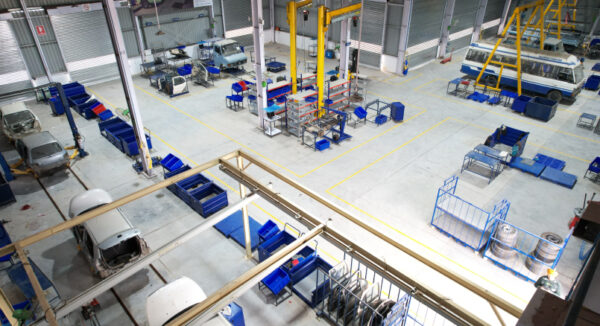





The commercial trucking sector in North America is entering a pivotal phase in its transition toward zero-emission freight transport, with Hyundai Translead now confirmed as the official distributor of Hyundai Motor Company’s XCIENT Fuel Cell Truck across the region. The move positions Hyundai Translead, long recognized as a leading manufacturer of commercial trailers, at the center of a coordinated hydrogen-powered logistics ecosystem that aligns production, distribution, service infrastructure, and fleet readiness into one integrated platform. It also signals a decisive shift in Hyundai Motor Company’s clean mobility strategy, accelerating its hydrogen commercial vehicle ambitions beyond pilot deployments and into scalable, fleet-wide adoption.
By expanding distribution responsibilities to Hyundai Translead, the Hyundai Motor Group is merging hydrogen fuel-cell truck technology with a well-established trailer and logistics supplier network. This aligns with a wider industry trend where OEMs are no longer just selling trucks, but full operational solutions that encompass servicing, telematics integration, financing options, infrastructure planning, and fleet transition consultancy. For North American fleet operators, this integrated model aims to reduce the complexity that often accompanies early stage adoption of new propulsion technologies.
How does Hyundai Translead’s role as distributor reshape the commercial heavy-duty zero-emission market in North America?
Hyundai Translead’s involvement in distributing the XCIENT Fuel Cell Truck changes the market dynamic in a meaningful way because it places the hydrogen truck rollout inside an established logistics equipment supply chain. Instead of creating a parallel sales channel for hydrogen trucks, Hyundai Motor Company is tying the introduction of the XCIENT Fuel Cell Truck directly into the procurement cycle for van trailers, refrigerated units, and chassis that fleet operators already purchase from Hyundai Translead. This reduces friction in decision-making and provides a familiar point of contact within the commercial freight purchasing structure.
Historically, one of the most significant variables slowing down zero-emission truck adoption has been the segmentation of responsibility: fleets had to deal separately with truck OEMs, trailer manufacturers, refueling infrastructure companies, regulatory grant advisers, and maintenance support providers. The new model positions Hyundai Translead as the interface point, offering fleet operators a more streamlined adoption pathway. It suggests that zero-emission adoption in the Class 8 truck category will increasingly depend on integrated ecosystem delivery, not isolated product launches.
The move also enables Hyundai Motor Company to expand its presence in the U.S. without needing to build a new dealer network from scratch. Hyundai Translead already has broad sales reach and relationships with major long-haul and logistics fleet operators. By placing hydrogen trucks alongside conventional trailers in the procurement pipeline, Hyundai Motor Company reduces the time to commercial decision-making and accelerates market penetration.
What performance advantages does the Hyundai XCIENT Fuel Cell Truck offer compared to diesel and battery-electric heavy-duty alternatives?
The XCIENT Fuel Cell Truck is designed for Class 8 freight operations and is built around a dual 90 kW fuel cell system delivering 180 kW total output, paired with an electric motor rated for heavy-duty hauling. The configuration is supplemented by a high-capacity battery system that provides load leveling and supports energy efficiency during uphill driving and long-haul power bursts. Because hydrogen refueling times closely resemble conventional diesel refueling, the XCIENT Fuel Cell Truck is positioned as a practical solution for duty cycles that cannot accommodate the extended downtime associated with battery charging.
While battery-electric trucks have gained traction in regional haul and drayage operations, their effectiveness diminishes in long-range applications where payload capacity and charging access become limiting factors. Hydrogen systems, by contrast, offer higher energy density, faster refueling cycles, and improved suitability for long-distance routes. The XCIENT Fuel Cell Truck therefore occupies a strategic segment of the zero-emission market: high-duty, multi-shift, long-range freight lanes that require reliable uptime.
From Hyundai Motor Company’s perspective, the XCIENT Fuel Cell Truck provides a proof point for its hydrogen strategy, demonstrating that hydrogen propulsion is not merely experimental or niche, but capable of supporting heavy commercial usage.
How does the move reflect Hyundai Motor Company’s broader hydrogen and clean-mobility strategy, and what signals does it send to the commercial fleet sector?
Hyundai Motor Company has long positioned hydrogen as a pillar of its long-term zero-emissions strategy, operating alongside battery-electric technologies rather than replacing them. The company’s investments in hydrogen production, vehicle systems engineering, and commercial fleet infrastructure signal its belief that hydrogen propulsion systems are necessary to decarbonize heavy transport, maritime logistics, and industrial mobility applications.
The decision to expand distribution through Hyundai Translead reinforces Hyundai Motor Company’s commitment to scaling hydrogen trucking beyond pilot project phases. The company has already deployed XCIENT Fuel Cell trucks across European, Asian, and Californian demonstration fleets. The new North American distribution model now represents the next stage: transitioning from demonstration-based deployments to commercially planned logistics operations.
This announcement also sends a signal to U.S. policymakers, particularly given the federal incentives for clean manufacturing and hydrogen infrastructure build-out under the Inflation Reduction Act. If deployments accelerate, Hyundai Motor Company may become one of the early leaders in establishing heavy-duty hydrogen supply chains in the U.S., particularly in freight corridors linking ports, warehouses, and industrial hubs.
What are the near-term challenges to hydrogen truck adoption and how could Hyundai Translead’s distribution model help mitigate them?
The commercialization of hydrogen trucking still faces significant operational and structural challenges that must be addressed for widespread adoption. The most critical among these is the availability of hydrogen refueling infrastructure that is compatible with heavy-duty vehicles. While certain regions such as California have begun building hydrogen fueling networks, coverage across the continental U.S. remains limited. The rollout of hydrogen freight vehicles must therefore coincide with partnerships involving refueling companies, industrial gas suppliers, utilities, and regulatory agencies.
Hyundai Translead’s role as distributor can help bridge this transition by integrating fueling infrastructure planning into fleet deployment programs. Rather than asking fleet operators to build their own hydrogen capacity, Hyundai Translead and Hyundai Motor Company can support infrastructure partnerships, leasing strategies, and depot-based fueling models that lower the upfront risk for fleet adopters.
Total cost of ownership is another deciding factor. Hydrogen trucks currently involve higher capital expenditure than diesel trucks, although hydrogen prices are expected to decline as production scales. Early-stage adoption is expected to be strongest among fleets that prioritize compliance with zero-emission mandates, operate heavily regulated routes, or seek strategic positioning in clean-freight contracting markets.
How is the market responding, and what does sentiment suggest for Hyundai Motor Company and the broader clean-freight investment cycle?
Hyundai Motor Company’s hydrogen program has been met with cautious optimism in equity and institutional investor circles. While the passenger-vehicle market is driven primarily by battery-electric adoption, the commercial sector remains divided between hydrogen and battery-electric pathways depending on operational use cases.
The announcement of Hyundai Translead as distributor enhances investor confidence because it shows execution strategy rather than conceptual vision. Investors tend to respond more favorably when OEMs can articulate channels, partners, revenue models, and service ecosystems rather than simply unveiling new vehicles.
For Hyundai Motor Company’s equity outlook, the development strengthens its strategic identity as a diversified clean-mobility player rather than a firm dependent on passenger EV sales alone. If hydrogen truck deployments scale meaningfully, the hydrogen business unit could become a material earnings contributor to the commercial segment.
What are the most important takeaways for fleet operators, investors, and industry watchers from Hyundai Translead’s hydrogen trucking move?
• Hyundai Translead is now the exclusive distributor of Hyundai Motor Company’s XCIENT Fuel Cell Truck in North America.
• The move integrates hydrogen trucks into an existing logistics equipment procurement network, reducing adoption friction.
• The XCIENT Fuel Cell Truck is positioned for long-haul operations where hydrogen refueling advantages outweigh battery-charging constraints.
• The arrangement signals Hyundai Motor Company’s intent to shift hydrogen trucking from demonstration phase to commercial scale.
• Infrastructure build-out and total cost of ownership remain adoption challenges, though Hyundai Translead’s involvement aims to mitigate both.
Discover more from Business-News-Today.com
Subscribe to get the latest posts sent to your email.