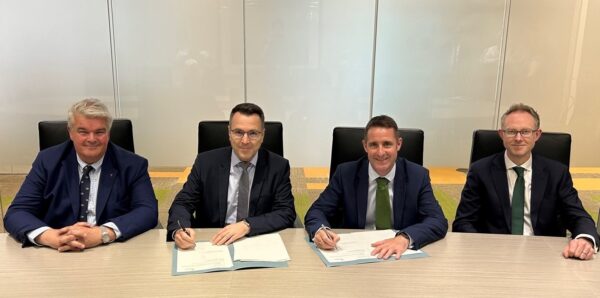
ITT Inc.’s marine and energy systems division Svanehøj has closed its acquisition of Germany-based Köhler & Hörter GmbH, known commercially as KOHO Kompressorsysteme, in a move that expands the company’s role across hydrogen and LNG gas-handling systems as global energy transition efforts accelerate. Although financial details of the transaction remain undisclosed, the deal is being viewed by analysts as a deliberate step that strengthens Svanehøj’s position in the fast-growing market for alternative-fuel vessels, port bunkering networks and industrial gas infrastructure. Svanehøj confirmed that KOHO’s existing leadership will continue to guide compressor engineering activities, maintaining expertise developed across six decades of gas-system manufacturing in Germany.
Why integrated pump and compressor expertise is becoming a competitive advantage in hydrogen and LNG gas-handling systems transitioning into mainstream commercial adoption
A central reason the market is paying close attention to the acquisition is the near universal expectation that hydrogen, liquefied natural gas, ammonia and carbon-capture-related CO₂ transport will reshape vessel and terminal engineering requirements through the 2030s. Legacy equipment suppliers that once focused on pumps or isolated subsystems are now being evaluated on their ability to deliver integrated pump and compressor platforms, providing a single-source solution for pressurizing, transferring, conditioning and monitoring critical fuel streams. Market observers have suggested that this shift is driven not only by emissions regulations but by asset-availability priorities and operational risk management demanded by shipowners and financiers.
Svanehøj’s portfolio before the acquisition was largely associated with cryogenic pumps, fuel-tank control systems and marine service capabilities, particularly for LNG carriers and emerging dual-fuel designs. KOHO brings specialized reciprocating compressor design and manufacturing expertise used in low-temperature, high-pressure and volatile gas environments. Sources familiar with the company’s history indicated that KOHO’s engineering lineage dates back to 1965, with compressor systems already in operation across hydrogen, propane, butane and other gaseous handling operations in maritime and industrial facilities.
Commentary from Svanehøj leadership suggested that combining these technologies could give customers a streamlined lifecycle approach to vessel engineering, shorten procurement cycles and reduce installation risk for gas-handling equipment. By integrating engineering and service programs, Svanehøj is positioned to compete more directly against larger global industrial suppliers that offer cradle-to-retirement service contracts for gas infrastructure.
How global shipbuilding requirements and port conversion plans are incentivizing companies like ITT to scale hydrogen and LNG gas-handling systems more aggressively than before
The timing of this acquisition appears consistent with increasing alternative-fuel commitments within global shipyard orderbooks. Data referenced by several maritime analytics firms has pointed to rising interest in ammonia-ready car carriers, methanol-capable container vessels and early-stage hydrogen propulsion research for short-sea shipping networks in Europe and Asia. CO₂ carriers connected to carbon-capture hubs and sequestration projects are also being evaluated by integrated energy companies seeking to decarbonize refining and industrial sites.
Industry participants have noted that fleets shifting to alternative fuels need both compression and pumping capabilities working in coordination. The rapid expansion of liquefied gas bunkering terminals, floating storage units and multi-gas port infrastructure is accelerating service and aftermarket opportunities for suppliers that can support equipment throughout its operational life. In that context, Svanehøj’s expansion through KOHO brings both immediate engineering capabilities and future long-term service revenue potential associated with maintenance, repairs and performance monitoring.
While LNG has already achieved commercial scale, hydrogen and ammonia adoption is advancing through regulatory incentives and private financing commitments in regions pursuing decarbonization. The ability to handle boil-off gas management, pipeline pressurization, storage tank circulation and bunker-transfer conditioning will likely be a determining factor in how ports and shipowners evaluate technology providers. Integrating compression systems with cryogenic pumps can reduce system complexity and offer performance and reliability advantages that could influence vessel design decisions over the next decade.
What the KOHO acquisition could signal for ITT Inc. investor sentiment as institutional capital evaluates industrial exposure to future fuels and gas infrastructure transformation
ITT Inc., which trades on the New York Stock Exchange under ticker symbol ITT, has attracted attention from investors interested in industrial companies linked to energy-transformation infrastructure. Market watchers have suggested that the acquisition could align with a broader trend in which corporate buyers pursue specialized engineering firms that can strengthen future-fuel systems portfolios. Although immediate earnings contributions from KOHO may be modest relative to ITT’s revenue scale, the acquisition is viewed as strategically important for long-term positioning across hydrogen and LNG gas-handling systems.
Financial analysts focusing on equipment and engineered components have increasingly evaluated companies on their aftermarket-service potential. If Svanehøj successfully integrates KOHO’s compressor product line and secures service agreements for hydrogen, LNG and future-fuel transport vessels, analysts believe recurring revenue streams could become more visible in future financial reporting cycles. Indirect commentary among sector investors has suggested that industrial suppliers that deliver future-fuel infrastructure capabilities could benefit from valuation premiums compared with legacy component manufacturers with limited alternative-fuel exposure.
While analysts expressed cautious optimism regarding the strategic alignment, they also signaled that integration efficiency and market adoption metrics will determine whether the transaction is accretive at scale. Investors are likely to request clarity on manufacturing investment requirements, margin impacts associated with compressor engineering, and any new capital expenditure expectations tied to expansion of KOHO’s facilities or service footprint. Long-term sentiment will depend in part on how ITT articulates its vision for a combined hydrogen and LNG gas-handling systems business and how quickly Svanehøj can secure system-level contracts that demonstrate integrated solution competitiveness.
How Svanehøj and KOHO could influence the next phase of energy-transition engineering as gas-handling technology providers strengthen their role in the maritime and industrial ecosystem
As equipment supply chains globalize around alternative fuels, consolidation among pump and compressor manufacturers is increasing. Engineering circles have observed that system integrators are becoming more important than single-component vendors, especially as shipowners and port authorities seek technology partners capable of designing and supporting full gas-handling architectures. By acquiring KOHO, Svanehøj positions itself not only as a supplier, but as a system-development participant that could help shape future standards for hydrogen, LNG, ammonia and CO₂ transfer.
The combined company may be able to use its installed base and service specialization to participate in early-stage projects supported by energy-transition grants, green-corridor shipping initiatives and European industrial decarbonization programs. Ports evaluating multi-gas bunkering infrastructure could benefit from integrated pump-and-compressor solutions that reduce supplier coordination and streamline safety compliance. Maritime insurers and classification societies could also view integrated solutions favorably if performance and reliability data demonstrate improved risk profiles.
Industry engineers suggest that as energy carriers diversify, cryogenic and high-pressure technologies will evolve rapidly. The companies that successfully integrate real-time diagnostics, remote monitoring and asset-performance analytics into their systems strategies may gain additional competitive leverage. This acquisition therefore represents a positioning step for Svanehøj that could become increasingly valuable if hydrogen and LNG gas-handling systems accelerate in adoption beyond current projections.
How could this acquisition shape the next decade of global hydrogen, LNG, ammonia and CO₂ gas-handling systems as shipping and port infrastructure evolve?
The long-term trajectory for Svanehøj and KOHO will depend on how effectively the companies align product roadmaps with emerging technology requirements across shipping, port infrastructure and industrial gas management. If hydrogen and LNG gas-handling systems transition from pilot programs into commercial scale more rapidly than anticipated, demand for integrated compressor and pump systems could grow significantly. Given the pace of change in vessel design, port permitting and alternative fuel regulatory frameworks, industry watchers will continue to monitor how Svanehøj converts this acquisition into contract momentum and aftermarket growth.
The expansion into compression technology will likely be a defining moment for Svanehøj, supporting ITT’s broader industrial transformation strategy as capital markets reward companies that provide essential technologies for decarbonized infrastructure. The acquisition of KOHO does not merely add a product line; it signals a structural shift toward integrated energy-transition engineering that could shape competition in gas-handling systems throughout the coming decade.
Discover more from Business-News-Today.com
Subscribe to get the latest posts sent to your email.