Why is Ivy Fertility launching a reproductive endocrinology fellowship program in Memphis with the University of Tennessee?
Ivy Fertility, a leading American reproductive health network, has partnered with the University of Tennessee Health Science Center to launch a new Reproductive Endocrinology and Infertility (REI) fellowship program. Hosted at Fertility Associates of Memphis (FAM)—a member of the Ivy Fertility network—the program aims to tackle the national shortage of fertility specialists by building physician training capacity in the historically underserved Southeast region of the United States.
The initiative represents a strategic expansion of Ivy Fertility’s academic footprint, and is intended to address major gaps in reproductive health education and access. As of 2025, fewer than 75 physicians graduate from REI fellowship programs in the U.S. annually, leaving critical patient demand unmet—especially in states like Tennessee, Mississippi, and Arkansas, where access to specialized fertility care is limited.
This new ACGME-accredited program is one of only 50 REI teaching fellowships nationwide and the only such program serving the tri-state Southeast corridor. Ivy Fertility’s move is seen as a direct intervention into both clinical and workforce shortages, particularly in reproductive endocrinology—a subspecialty that blends hormonal science, IVF, and complex reproductive surgery.
What are the structural gaps in U.S. fertility specialist training and how does this program aim to address them?
Reproductive endocrinology remains one of the most underrepresented subspecialties in U.S. graduate medical education. According to national medical workforce reports, fewer than 300 practicing REI specialists are available across the entire country, and most are concentrated in urban coastal hubs like California, New York, and Massachusetts. The Southeast region remains markedly underserved by comparison.
The Memphis-based REI fellowship introduces an educational pipeline where none previously existed across Tennessee, Mississippi, and Arkansas. This regional exclusivity is critical, especially as the demand for assisted reproductive technologies (ART) continues to rise in the wake of delayed family planning, fertility preservation for cancer patients, and broader awareness of IVF options.
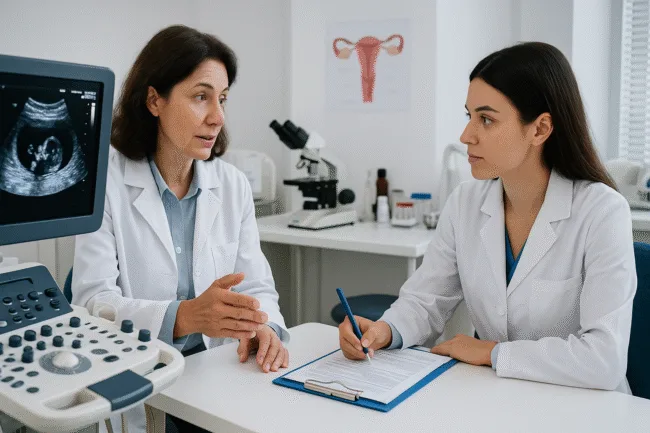
The program’s first cohort will include one fellow annually, beginning with Dr. Sierra Bishop, a Memphis-based OB/GYN trained at the University of Tennessee. Over time, Ivy Fertility expects to expand the program’s capacity to meet the increasing need for REI expertise in the region.
How does Dr. Sierra Bishop’s appointment align with the program’s mission and regional health equity goals?
Dr. Sierra Bishop, the program’s inaugural fellow, is a high-performing physician who earned both her MD and completed her OB/GYN residency at the University of Tennessee Health Science Center, where she served as Chief Resident. Her selection represents more than academic excellence—it reflects a broader vision to invest in local talent capable of long-term service in the Southeast.
Dr. Bishop’s research background includes fertility preservation for cancer patients, recurrent pregnancy loss, and infectious causes of infertility. She has published and presented nationally in these focus areas, bringing both scholarly depth and clinical passion to the fellowship.
Her appointment underscores Ivy Fertility and FAM’s commitment to community-anchored physician development. It’s a model designed not only to train specialists but to retain them in geographies where reproductive care options are sparse.
What is the faculty composition and academic caliber of the Memphis-based REI training program?
The Memphis fellowship will be anchored by FAM’s veteran faculty, all of whom hold academic positions at the University of Tennessee and are recognized leaders in reproductive medicine. This includes Dr. William Kutteh (Fellowship Director), Dr. Raymond Ke, Dr. Paul Brezina, Dr. Amelia Bailey, and Dr. Jianchi Ding. Together, this group has published over 300 academic papers and held leadership roles in national medical organizations such as ASRM and SREI.
This intellectual infrastructure is a major draw for aspiring specialists. In addition to clinical mentoring, fellows will receive robust exposure to evidence-based reproductive endocrinology, IVF lab sciences, and translational research.
According to Ivy Fertility’s leadership, the Memphis fellowship is intended to mirror the standard of elite academic programs, offering both clinical rigor and hands-on patient experience. Analysts note that this approach aligns with broader industry trends pushing fertility groups to deepen in-house expertise and R&D capabilities in response to growing market demand.
How does this new fellowship support Ivy Fertility’s national growth and strategic expansion priorities?
For Ivy Fertility, this new initiative marks more than a philanthropic gesture—it’s a calculated step toward long-term capacity building and market differentiation. As one of the most expansive fertility networks in the country, Ivy Fertility has centers across California, Texas, Nevada, Utah, and the East Coast, including Dallas IVF, Pacific Northwest Fertility, San Diego Fertility Center, and Virginia Fertility & IVF.
The addition of a flagship academic fellowship in Memphis helps Ivy Fertility strengthen its presence in the Southeast, while also enhancing its reputation as a national leader in reproductive education and innovation. CEO Lisa Van Dolah noted that investing in clinician training is a strategic priority. “At Ivy, we know that supporting the future of reproductive medicine means investing in the next generation of clinicians,” she said.
Institutional investors and stakeholders view educational integration as a positive development—signaling Ivy Fertility’s commitment to both clinical outcomes and long-term market sustainability. As fertility care becomes more complex and personalized, organizations capable of training and retaining their own workforce are expected to lead the next wave of care innovation.
What are institutional sentiments on the broader implications for fertility workforce development?
Analysts tracking healthcare workforce trends view Ivy Fertility’s fellowship as part of a growing movement to embed specialty training within high-demand but underserved sectors. Reproductive medicine, like many narrow subspecialties, is vulnerable to bottlenecks in physician supply due to limited fellowship seats and geographic concentration.
By sponsoring accredited training programs, private reproductive networks like Ivy Fertility are directly influencing the supply chain of future specialists—a strategy that may have ripple effects across patient access, insurance coverage, and clinical innovation.
Institutional sentiment suggests that programs like this can help mitigate downstream issues such as long wait times for IVF or limited availability of egg preservation counseling, particularly in non-urban areas. This is especially relevant in Southern states where reproductive health is under increasing political and policy scrutiny.
What can patients and clinicians expect from the future growth of Ivy Fertility’s academic initiatives?
While the current program launches with a single fellow in Memphis, Ivy Fertility has indicated it views this as a scalable model for training excellence. Should the Memphis site prove successful in training, retaining, and deploying top REI talent into underserved markets, similar programs could emerge in other Ivy Fertility geographies.
The fellowship also dovetails with the organization’s broader mission of advancing reproductive science. Ivy Fertility has long been known for pioneering work in in-vitro fertilization, third-party reproduction, and reproductive genetics. By adding a formal training pipeline, the group is signaling its intention to influence not just outcomes—but the ecosystem of talent that produces them.
From a care delivery perspective, patients across the Southeast may benefit from improved local access, reduced travel burdens, and more diverse clinician options as the program matures.
Discover more from Business-News-Today.com
Subscribe to get the latest posts sent to your email.