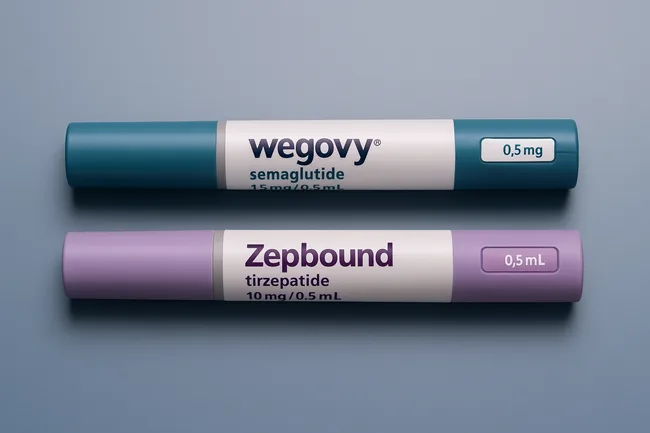
In June 2025, the global obesity treatment landscape is being redefined not just by weight-loss efficacy but by the expanding role of glucagon-like peptide-1 (GLP-1) receptor agonists in managing chronic comorbidities. Novo Nordisk’s Wegovy (semaglutide) and Eli Lilly’s Zepbound (tirzepatide) are at the forefront of this clinical and commercial transformation. While these blockbuster drugs initially gained approval as weight-loss interventions, they are now showing significant benefits in cardiovascular risk reduction, sleep apnea management, liver disease, and renal function—effectively recasting GLP-1 drugs as foundational agents in chronic care medicine.
Historically, obesity treatments were either underwhelming in efficacy or associated with safety risks. In contrast, GLP-1 drugs have rapidly moved from niche metabolic therapeutics to multi-billion-dollar global therapies, driven by both trial results and expanding real-world evidence. Analysts expect the global GLP-1 drug market to exceed $150 billion in annual revenue by the early 2030s, making it one of the most significant therapeutic markets after oncology.
What evidence supports the cardiovascular and metabolic health benefits of GLP-1 drugs like Wegovy and Zepbound?
The most compelling shift in GLP-1 pharmacology has come from cardiovascular outcome trials. In March 2024, the U.S. Food and Drug Administration approved a new label for Wegovy allowing its use to reduce the risk of cardiovascular death, heart attacks, and strokes in adults with established cardiovascular disease and obesity. This approval was based on data from the SELECT trial, which showed a statistically significant 20% relative risk reduction in major adverse cardiovascular events (MACE) for patients on semaglutide compared to placebo.
Zepbound, Eli Lilly’s dual GLP-1 and glucose-dependent insulinotropic polypeptide (GIP) agonist, has also demonstrated strong cardiometabolic benefits. In addition to delivering average weight loss of 20.9% in its pivotal SURMOUNT trials, Zepbound was recently approved by the U.S. FDA for treating moderate to severe obstructive sleep apnea in patients with obesity, based on its ability to reduce apnea-hypopnea events and visceral fat volume.
Medical experts see these developments as a critical validation of GLP-1 drugs as holistic interventions. Cardiologists and endocrinologists are now recommending these agents as frontline therapy not only for weight reduction but to improve cardiovascular outcomes and reduce systemic inflammation, shifting obesity from a cosmetic or lifestyle concern to a medically treated, multi-systemic condition.
How are GLP-1 drugs addressing other chronic conditions like kidney disease, liver function, and osteoarthritis?
New clinical and real-world studies show that GLP-1 receptor agonists may extend their therapeutic reach to kidney health and liver metabolism. For example, in patients with non-alcoholic fatty liver disease (NAFLD) and non-alcoholic steatohepatitis (NASH), semaglutide has demonstrated reductions in liver fat content and inflammation markers. Though not yet FDA-approved for NASH, semaglutide and tirzepatide are both being evaluated in late-stage trials for potential inclusion in liver disease protocols.
In nephrology, observational data suggest that GLP-1 agonists may improve glomerular filtration rates and reduce albuminuria, prompting speculation that these drugs could play a complementary role to SGLT2 inhibitors in preserving kidney function in metabolic syndrome patients.
Patients with knee osteoarthritis have also shown improved mobility and decreased pain with weight loss driven by GLP-1 therapies. Such musculoskeletal improvements are not merely anecdotal; they are beginning to appear in trial endpoints and insurance claims data, further reinforcing the notion that obesity is a root cause of multiple disabling conditions.
What do real-world studies reveal about patient outcomes, drug adherence, and dosing strategies?
Despite the promise of clinical trials, real-world adherence to GLP-1 therapy remains a challenge. A June 2025 study from the Cleveland Clinic, published in Health, analyzed over 9,700 patients in Florida and Ohio and found that the median weight loss for Wegovy users was only around 5%. This was significantly below the 15%+ weight loss seen in trials, and investigators attributed the gap to factors like insurance hurdles, side effect management, and early discontinuation.
Similarly, data from Komodo Health’s claims database showed that fewer than 30% of patients stayed on therapy for a full 12 months. Experts now argue that payer behavior, not drug efficacy, is the bottleneck. Access constraints, prior authorization delays, and gaps in lifestyle support programs are undermining the potential of GLP-1 therapies in the broader population.
To counteract this, Novo Nordisk is testing new adherence models in select European markets, while Eli Lilly has invested in patient engagement platforms like LillyDirect. Both firms are also working on new delivery systems—including once-monthly injectables and oral tablets—to lower barriers to consistent therapy.
What are Novo Nordisk and Eli Lilly doing to expand their GLP-1 pipelines beyond Wegovy and Zepbound?
Novo Nordisk is advancing a next-generation combination therapy known as CagriSema—a co-formulation of semaglutide and the amylin analog cagrilintide. Phase 3 data from the REDEFINE program is expected by late 2025, with early results showing 15–20% weight loss and improved appetite regulation compared to Wegovy alone. CagriSema is being pitched as a follow-up option for patients who plateau on single-agent therapy.
Eli Lilly, meanwhile, is focusing on the development of oral GLP-1 drugs such as orforglipron, which is currently in Phase 3 trials. Designed to overcome the injection barrier that deters some patients, orforglipron uses a non-peptide small molecule to mimic GLP-1 signaling with similar efficacy and fewer gastrointestinal side effects. Institutional investors believe orforglipron could become a mass-market obesity drug, expanding access to tens of millions globally.
Both pharmaceutical giants are also exploring GLP-1 co-agonists targeting glucagon and amylin pathways, with several assets in preclinical and early-stage trials. These next-gen agents could push weight loss efficacy beyond 25% while preserving muscle mass—an emerging concern among long-term users.
How are health systems and investors responding to the broader implications of GLP-1 drug expansion?
The growing systemic utility of GLP-1 drugs has sparked intense debate over reimbursement models, long-term value creation, and sustainability. Health systems in Europe and the United States are actively reevaluating obesity reimbursement criteria, and many payers are beginning to cover semaglutide and tirzepatide under chronic disease frameworks instead of weight loss categories.
Institutional investors remain bullish on both Eli Lilly and Novo Nordisk. The market cap of Novo Nordisk surpassed $650 billion in June 2025, making it one of Europe’s most valuable companies. Eli Lilly has also seen rapid share price appreciation, fueled by pipeline expansion, Zepbound demand, and early data from orforglipron.
Despite supply chain concerns and pricing debates, the long-term outlook for GLP-1 therapies remains extremely positive. Analysts expect that GLP-1s will be integrated into chronic disease management protocols for cardiovascular health, metabolic syndrome, and potentially even early-stage Alzheimer’s, pending the results of upcoming neurocognitive studies.
What does the future of GLP-1-based care look like by the end of the decade?
Looking ahead, GLP-1 therapies are expected to evolve from single-function injectables into customizable platforms that address multiple dimensions of chronic disease. With the advent of muscle-preserving co-formulations and the proliferation of oral delivery systems, the patient base is set to expand from high-risk adults to general populations, including adolescents, elderly patients, and underserved minorities.
By 2030, analysts predict that more than 200 million people globally could be eligible for GLP-1 therapy, supported by broader public health initiatives, employer-sponsored care programs, and preventative care mandates. Both Novo Nordisk and Eli Lilly are racing to scale production, regionalize supply chains, and integrate digital health tools that enhance real-world outcomes.
In sum, GLP-1 drugs are no longer just weight-loss agents—they are emerging as cornerstone therapies in a new era of systemic chronic disease prevention and management.
Discover more from Business-News-Today.com
Subscribe to get the latest posts sent to your email.