



Why did the U.S. FDA reject Genentech’s Columvi-GemOx application?
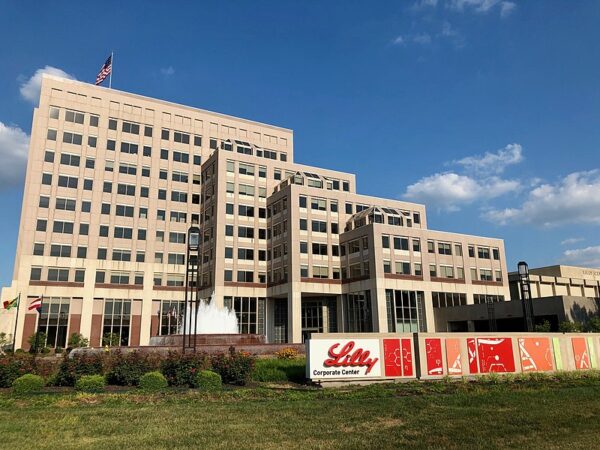
Genentech, a member of the Roche Group (SIX: RO, ROG; OTCQX: RHHBY), disclosed that the United States Food and Drug Administration (FDA) has issued a Complete Response Letter (CRL) for its supplemental Biologics License Application (sBLA) seeking approval for a Columvi (glofitamab-gxbm) combination therapy targeting relapsed or refractory diffuse large B-cell lymphoma (DLBCL). The decision halts plans to expand Columvi’s use in second-line settings in the U.S., despite statistically significant survival benefits seen in clinical data.
The FDA concluded that the Phase III STARGLO study data—used to support the sBLA for Columvi combined with gemcitabine and oxaliplatin (GemOx)—did not sufficiently demonstrate benefit in the specific U.S. population for the proposed indication. The study, which sought to establish the combination as a second-line treatment for patients ineligible for autologous stem cell transplant, failed to satisfy regulatory expectations for robust, confirmatory evidence.
The regulatory setback leaves Columvi’s current accelerated approval status unchanged in the United States for patients with relapsed/refractory DLBCL who have received at least two prior lines of therapy. Discussions between Genentech and the FDA are ongoing to redefine the postmarketing requirements. The focus is now expected to shift toward the Phase III SKYGLO study involving a different Columvi-based combination.
What does this mean for Columvi’s postmarketing future?
The FDA’s rejection of the STARGLO-based sBLA introduces uncertainty into Genentech’s long-term U.S. expansion plans for Columvi beyond its current label. Notably, the STARGLO trial was also intended to serve as a postmarketing confirmatory study required to convert Columvi’s existing accelerated approval to full FDA approval.
With the STARGLO trial now deemed insufficient, Genentech announced it will prioritize its Phase III SKYGLO study. This ongoing trial is evaluating Columvi in combination with Polivy (polatuzumab vedotin-piiq), Rituxan (rituximab), and standard chemotherapies—cyclophosphamide, doxorubicin, and prednisone—in previously untreated large B-cell lymphoma. Regulatory focus will likely now transition toward using SKYGLO as the new pathway for fulfilling confirmatory evidence mandates.
What does the STARGLO study show about survival benefits?
Despite the FDA’s regulatory roadblock, data from the STARGLO study had shown promising clinical outcomes. Specifically, the combination of Columvi and GemOx achieved a 41% reduction in the risk of death compared to standard treatment alone. The hazard ratio was 0.59, with a 95% confidence interval of 0.40 to 0.89, and a p-value of 0.011—indicating strong statistical significance.
These results were further supported by a sustained improvement in both primary and secondary endpoints over two years of follow-up, as presented during the 61st Annual Meeting of the American Society of Clinical Oncology (ASCO) held from May 30 to June 3, 2025. The findings had also been published in The Lancet, suggesting high credibility within the clinical oncology community.
However, regulatory experts point out that the FDA typically expects more stringent evidence when a trial is used for both expanded indication approval and confirmatory purposes under accelerated approval pathways. That dual role of STARGLO may have raised the bar for evidentiary rigor, leading to this outcome.
How has the medical and scientific community responded?
Clinicians involved in the trial expressed disappointment at the FDA’s decision, emphasizing the clinical value of the therapy in improving survival in a high-risk patient population. Jeremy Abramson, M.D., director of the Jon and Jo Ann Hagler Center for Lymphoma at Massachusetts General Hospital Cancer Center and principal investigator of the STARGLO trial, underscored that the Columvi-GemOx regimen addresses an urgent unmet need for patients relapsing early after frontline therapy.
“This regimen is already approved in over 35 countries, which underscores the urgent need it addresses,” said Abramson. “It could have a positive impact for patients earlier in their treatment journey.”
Genentech’s Chief Medical Officer Levi Garraway, M.D., Ph.D., also defended the clinical validity of Columvi’s performance, saying the company remains “confident in the data supporting the value of Columvi for U.S. patients who have relapsed following initial treatment.” He reiterated the company’s commitment to bringing the therapy to more patients and exploring its utility in broader treatment settings.
Where is Columvi currently approved outside the U.S.?
Outside the U.S., the Columvi-GemOx regimen has seen much broader acceptance. As of July 2025, the combination therapy is approved in over 35 countries, including major markets in the European Union. Furthermore, it is included in several clinical practice guidelines, such as the U.S. National Comprehensive Cancer Network (NCCN) Guidelines.
The global regulatory momentum underscores an emerging divergence in U.S. and international oncology standards when interpreting mid-to-late stage clinical trial data. Industry watchers suggest this could set up complex access scenarios for U.S. patients, particularly if other health authorities accelerate broader approvals.
Separately, Columvi monotherapy—approved in more than 60 countries—remains a key part of relapsed/refractory DLBCL treatment after two or more prior therapies. Its inclusion in standard-of-care protocols globally continues to reinforce its therapeutic value.
What is the outlook for Genentech’s lymphoma portfolio?
While the FDA’s denial is a setback, Genentech and its parent company Roche are expected to continue their broad development program around Columvi across various lymphoma settings. The SKYGLO trial will be a critical milestone, and any success there could lead to both new indications and full approval for Columvi in the U.S.
Analysts expect Genentech to prioritize the frontline combination strategy now being explored in SKYGLO, which could unlock a significantly larger addressable patient base than the second-line setting. A successful outcome in that trial could potentially revive momentum and investor confidence around the company’s lymphoma pipeline.
In the near term, Genentech will likely face increased competition from other immunotherapies and CAR-T options being developed for DLBCL, especially in the second-line space where patient stratification and biomarker targeting are becoming more refined.
From a stock sentiment perspective, institutional analysts are expected to view the FDA’s decision as a minor regulatory roadblock within the context of a broader, globally diversified lymphoma strategy. Roche’s global oncology portfolio remains robust, and Columvi’s commercial traction in international markets could help offset the limited U.S. expansion in the short term.
Is Genentech pivoting toward frontline DLBCL treatment?
With the STARGLO setback, Genentech appears poised to pivot more aggressively toward first-line combination therapies as the next major frontier for Columvi. The Phase III SKYGLO trial could redefine how the drug is positioned against both chemotherapy and other emerging biologics in newly diagnosed patients.
Moreover, Genentech continues to explore additional treatment settings, including using Columvi earlier in the disease progression cycle. This strategy aligns with broader oncology industry trends toward personalized treatment and combination biologics targeting early relapse and high-risk subpopulations.
If SKYGLO delivers positive results, analysts expect another sBLA submission within 12–18 months, which could eventually lead to a reshaped treatment paradigm for large B-cell lymphoma in the U.S. and globally.
Discover more from Business-News-Today.com
Subscribe to get the latest posts sent to your email.