




Field Medical, Inc. presented late-breaking first-in-human atrial fibrillation data from its Field PULSE study at AF Symposium 2026, showcasing sub-second focal pulsed field ablation using its FieldForce Ablation System. The data positions Field Medical’s high-voltage, point-by-point PFA approach as a direct strategic alternative to single-shot PFA platforms currently shaping the atrial fibrillation ablation market. The presentation matters as electrophysiology enters a phase where procedural efficiency, lesion durability, and platform versatility are converging into a single competitive axis.
Why Field Medical is positioning focal pulsed field ablation as a strategic alternative to single-shot systems
The Field PULSE data should be interpreted less as an isolated clinical milestone and more as a deliberate positioning statement. The atrial fibrillation ablation market is rapidly polarizing around two architectural philosophies. One favors single-shot devices optimized for pulmonary vein isolation speed. The other preserves focal flexibility at the cost of longer procedures and operator dependence. Field Medical is explicitly arguing that this trade-off no longer needs to exist.
By demonstrating lesion creation in under 200 milliseconds with bilateral pulmonary vein isolation times in the low double-digit minutes, Field Medical is challenging the assumption that focal ablation must be slow to be precise. The company is attempting to compress procedural timelines while retaining the point-by-point control electrophysiologists rely on for non-pulmonary vein substrates, redo cases, and complex anatomies.
This matters because atrial fibrillation workflows are already drifting beyond first-pass pulmonary vein isolation. As persistent atrial fibrillation volumes rise and durability expectations tighten, platform flexibility is becoming a strategic requirement rather than a feature request.
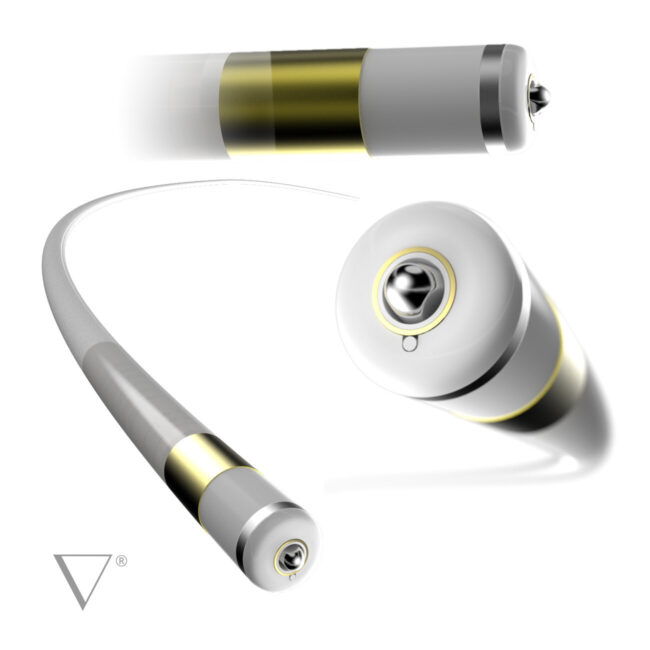
What the Field PULSE procedural efficiency data reveals about workflow compression in electrophysiology labs
Median pulmonary vein isolation times of 12.5 minutes place Field Medical’s focal approach within striking distance of single-shot benchmarks. More importantly, the fastest reported case at 7.7 minutes reframes focal PFA as a potential throughput enabler rather than a procedural bottleneck.
Electrophysiology labs are under growing pressure from rising case volumes, staffing constraints, and reimbursement scrutiny. Technologies that shorten left atrial dwell time without introducing new complication classes carry disproportionate operational value. The Field PULSE data suggests that sub-second energy delivery reduces dependence on catheter stability and prolonged contact, two factors that traditionally slow focal ablation workflows.
If these efficiencies hold up in broader cohorts, focal PFA could become viable not only for complex cases but also for routine workflows without forcing operators into rigid lesion geometries.
How durability signals from Field PULSE affect confidence in high-voltage focal PFA
Durability remains the quiet fault line in pulsed field ablation adoption. Early enthusiasm for speed has increasingly given way to questions about lesion depth, contiguity, and long-term electrical isolation. Field Medical’s remapping data showing progressive improvement in pulmonary vein isolation durability with waveform optimization addresses this concern directly.
By reporting durability rates exceeding 94 percent by vein and over 84 percent by patient, Field Medical is signaling that high-voltage focal delivery can achieve consistent transmurality. The implication is not that focal PFA is inherently superior, but that waveform engineering and energy density matter more than catheter geometry alone.
This reframes competition around biophysics rather than form factor. Companies unable to demonstrate durable outcomes may find that speed alone is insufficient to sustain adoption as follow-up data accumulates.
Why the safety profile matters more than speed in the next phase of PFA adoption
The absence of device-related serious adverse events, phrenic nerve injury, hemolysis, acute kidney injury, or silent cerebral lesions reinforces one of pulsed field ablation’s core promises. Selectivity is becoming table stakes rather than differentiation.
What is notable is that Field Medical achieved this safety profile using high-voltage waveforms delivered in extremely short bursts. This counters concerns that higher voltage focal delivery could reintroduce collateral damage risks seen with thermal modalities.
As regulatory scrutiny increases and post-market surveillance expands, safety consistency across diverse patient populations will likely outweigh incremental speed gains. Platforms that demonstrate safety across atrial and ventricular indications may enjoy regulatory and commercial tailwinds.
How Field Medical’s platform narrative extends beyond atrial fibrillation
Field Medical is not presenting Field PULSE as a standalone atrial fibrillation solution. The company is explicitly linking the data to previously reported ventricular tachycardia outcomes, reinforcing a platform narrative that spans all cardiac chambers.
This matters strategically. Vendors with single-indication solutions risk being boxed into procedural niches. A platform capable of addressing atrial fibrillation, ventricular tachycardia, and complex substrates offers hospitals procurement simplicity and long-term upgrade paths.
By emphasizing universal applicability, Field Medical is positioning itself for broader strategic relevance even before commercial scale is reached.
How Field Medical’s Field PULSE data could reshape competitive dynamics in the pulsed field ablation market through 2026
The PFA market is moving from novelty to segmentation. Early winners captured attention through simplicity and speed. The next phase will reward durability, versatility, and evidence depth.
Field Medical’s data increases pressure on incumbents to justify rigid architectures and limited flexibility. It also raises expectations for focal PFA developers who must now prove they can match speed without compromising outcomes.
For electrophysiologists, the message is subtle but important. Choice is returning to the market. The era of one-size-fits-all ablation may be shorter than anticipated.
What execution, regulatory, and commercialization risks still confront Field Medical after encouraging Field PULSE data
Despite encouraging results, Field Medical remains a clinical-stage company. Scaling manufacturing, navigating regulatory approvals across indications, and expanding evidence beyond first-in-human cohorts remain material risks.
Commercial success will also depend on training curves and reproducibility across centers with varying operator experience. Procedural efficiency demonstrated in controlled environments must translate into real-world consistency.
Finally, capital intensity should not be underestimated. Platform ambitions require sustained investment through regulatory, clinical, and commercial phases.
What this signals about the future direction of electrophysiology innovation
The Field PULSE presentation reinforces a broader industry shift. Innovation is moving away from isolated performance metrics toward integrated system design. Speed, safety, durability, and flexibility are no longer independent variables.
Electrophysiology platforms that harmonize these dimensions will define the next competitive cycle. Field Medical has entered that conversation credibly, even if the final outcome remains unresolved.
Key takeaways on what Field Medical’s Field PULSE data means for the company, competitors, and the electrophysiology industry
- Field Medical has positioned focal pulsed field ablation as a viable alternative to single-shot systems without sacrificing procedural speed
- Sub-second energy delivery reframes focal ablation from a precision tool into a throughput-relevant workflow option
- Durability signals strengthen confidence that waveform engineering can overcome historical focal limitations
- Safety outcomes support the scalability of high-voltage focal PFA across broader patient populations
- Platform versatility across atrial and ventricular indications enhances long-term strategic relevance
- Competitors face rising pressure to demonstrate durability, not just speed
- Electrophysiology labs may regain flexibility in technology choice as focal efficiency improves
- Regulatory and commercialization execution remains the primary risk for Field Medical
- The PFA market is entering a segmentation phase where architecture and biophysics matter more than novelty
Discover more from Business-News-Today.com
Subscribe to get the latest posts sent to your email.