The European Commission has unveiled its most ambitious energy infrastructure reform to date with the launch of the European Grids Package and the Energy Highways initiative. Announced in Brussels on December 10, 2025, this dual-pronged proposal aims to modernize, expand and interconnect Europe’s electricity grid while lowering consumer energy bills and securing long-term independence from imported fossil fuels.
The initiative, described by European Commission President Ursula von der Leyen during her 2025 State of the Union address, is positioned as a defining step in completing the EU’s Energy Union. It will not only reshape the physical flow of electricity across borders but also change how infrastructure is financed, permitted, and prioritized. At its core, the Energy Highways plan envisions a continent-wide energy network that can move cheaper, renewable electricity across national boundaries without bottlenecks or price distortion. The Commission has made clear that such reforms are no longer optional given Europe’s exposure to energy price volatility, geopolitical tensions, and lagging grid interconnectivity.
Why the EU is pushing for grid integration to lower energy bills and reduce dependence
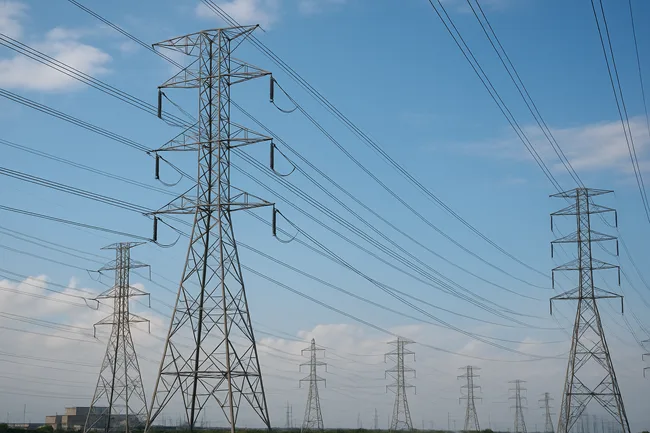
The backbone of the EU’s clean energy ambitions rests on its ability to transmit power across national borders with speed and flexibility. However, current infrastructure is insufficient to support widespread electrification or to move low-cost renewable energy from areas of abundance to zones of high demand. According to Commission data, several EU Member States remain far from achieving the 15 percent electricity interconnection target required by 2030, while the overall level of cross-border power transfer is still inadequate to form a true Energy Union.
In 2022, fossil fuels accounted for 70 percent of gross available energy in the EU, with 98 percent of oil and gas needs met through imports. That dependence exposes the bloc to global supply shocks and energy price surges. In 2024, industrial electricity prices in the EU stood at €0.199 per kilowatt-hour, more than twice the cost in China and the United States. By mid-2025, consumer electricity prices ranged from €0.3835 per kilowatt-hour in Germany to €0.1040 per kilowatt-hour in Hungary, highlighting the stark inequality in energy affordability across Member States.
The Commission is positioning the European Grids Package as a corrective measure to these structural weaknesses. By facilitating faster permitting and deeper integration of national energy systems, it seeks to drive down prices and ensure energy security for all European households and industries.
How the Energy Highways will fast-track eight strategic projects to boost cross-border flows
Central to the Commission’s proposal is the designation of eight Energy Highways, strategic infrastructure projects selected for their potential to unlock major transmission bottlenecks and enable clean energy movement at scale. These corridors are deemed critical to the completion of the Energy Union and are being prioritized with high-level political support.
Each of the Energy Highways will receive enhanced coordination at the EU level, with backing from Regional High-Level Groups and European energy coordinators. The Commission also plans to mobilize the Energy Union Task Force to oversee progress and assist Member States in giving these projects priority status within national regulatory frameworks.
These Energy Highways were chosen based on their geographic importance, implementation feasibility, and strategic relevance to the broader climate and energy security goals of the bloc. The Commission stated that these projects require urgent support due to their complexity and the level of cross-border political engagement necessary to bring them online.
What financing reforms are being proposed to support Europe’s massive grid expansion
A key innovation in the European Grids Package is its approach to financing. The Commission is advocating for new cost-sharing models and bundling mechanisms to reduce the financial burden on individual Member States and consumers. The goal is to create more equitable and transparent funding structures for projects that deliver benefits across multiple jurisdictions.
Under the proposed framework, infrastructure projects will be bundled into investment-ready packages using special purpose vehicles. This approach is expected to increase their attractiveness to private investors and development banks. The Commission is also calling for cost-sharing mechanisms that fairly distribute the financial responsibilities for cross-border projects, especially when the economic benefits extend far beyond the territory where the infrastructure is physically located.
To match this financial ambition, the Commission has proposed a five-fold increase in the Connecting Europe Facility (CEF) Energy budget under the 2028 to 2034 Multiannual Financial Framework. If approved, the budget would rise from €5.84 billion to €29.91 billion. This surge in funding will support Projects of Common Interest and Projects of Mutual Interest, both of which form the cornerstone of the EU’s energy infrastructure roadmap.
The Clean Energy Investment Strategy, expected to be launched in parallel, will complement public funding with measures to mobilize private capital, creating a broader pipeline of investable opportunities in transmission, storage, and smart grid technologies.
Why electricity price disparity is a strategic risk for European industry and consumers
For both industrial and residential electricity users, the cost gap within the EU has grown increasingly difficult to justify. As of 2025, electricity prices for businesses in Ireland reached €0.2726 per kilowatt-hour, while Finnish industrial consumers paid just €0.0804. The same price divergence was reflected on the residential side, indicating deep-rooted inefficiencies in power distribution and infrastructure investment.
This disparity puts certain industries at a disadvantage depending on their location, erodes the bloc’s competitiveness against global manufacturing hubs, and undermines the case for electrifying sectors like transport, chemicals, and heavy industry. The Commission has linked these challenges to fragmented infrastructure planning and slow progress on renewable energy permitting, grid expansion, and interconnection targets.
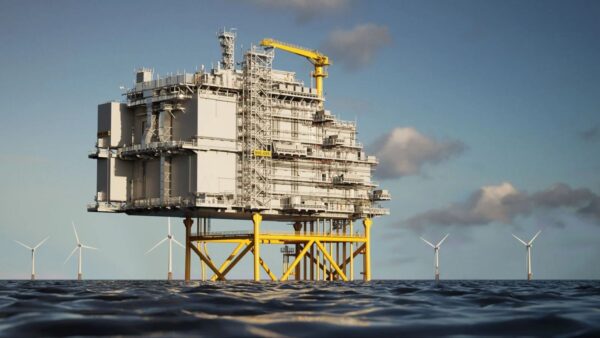
The European Grids Package is designed to close these gaps by aligning regional infrastructure planning with a continental vision, thereby enabling surplus renewable generation—whether wind in the North Sea or solar in Southern Europe—to reach consumers across the continent without artificial pricing barriers or congestion costs.
What comes next as the package moves through the legislative process
The legislative proposals embedded in the European Grids Package will now advance through the ordinary legislative procedure, requiring approval from both the European Parliament and the Council. This process is expected to involve detailed negotiations over cost-allocation rules, regulatory coordination, and the political prioritization of individual projects.
In the meantime, the Commission will continue to coordinate with Member States to accelerate permitting for key energy projects, including those already listed under the second Union list of Projects of Common Interest and Projects of Mutual Interest. The success of this package will depend on how quickly Member States can align their national frameworks with the Commission’s proposals, and whether regulators can operationalize the reforms without major delays.
New guidance documents have already been issued to assist Member States, including guidelines on efficient grid connections, Contracts for Difference, and permitting acceleration for energy infrastructure. These tools are intended to reduce administrative friction and improve implementation timelines across the EU.
Commissioner for Energy and Housing Dan Jørgensen emphasized that the initiative reflects a “common European energy project” aimed at achieving affordability, security, and decarbonization. Executive Vice-President Teresa Ribera described the proposal as a commitment to inclusivity and long-term energy resilience, highlighting its significance as a coordinated response to a problem of EU-wide scale.
How could the Energy Highways reshape the outlook for Europe’s transmission and distribution operators and influence long‑term investor sentiment across the sector?
While the European Commission’s package is a policy framework, its impact could reverberate through listed energy transmission system operators such as Elia Group, Red Eléctrica, and TenneT, as well as private infrastructure investors seeking long-term, regulated returns. Analysts believe that streamlined permitting and pan-European cost-sharing could unlock new commercial opportunities in grid digitalization, energy storage co-location, and high-voltage interconnector development.
Institutional sentiment has been cautiously optimistic. Investors are closely watching the pace of implementation and potential delays in national transposition. If the permitting acceleration is successful, there could be tailwinds for European energy infrastructure stocks, while private equity interest in regulated utilities may also grow.
Key takeaways from the European Grids Package and Energy Highways initiative
- The European Commission launched the European Grids Package and Energy Highways initiative on December 10, 2025, as a major reform to modernize and interconnect the EU’s electricity infrastructure.
- The initiative aims to reduce electricity prices, accelerate renewable energy integration, and enhance energy independence by reducing reliance on imported fossil fuels, particularly from Russia.
- Eight strategic Energy Highways projects were selected for fast-track implementation and will be prioritized at both EU and national levels to address critical grid bottlenecks.
- The European Commission proposed new financing mechanisms, including cross-border cost-sharing models and bundled infrastructure funding using special purpose vehicles to attract private investment.
- A five-fold increase in the Connecting Europe Facility (CEF) Energy budget is proposed, rising from €5.84 billion to €29.91 billion under the 2028–2034 Multiannual Financial Framework.
- Industrial electricity prices in the EU remain significantly higher than in China or the United States, with major pricing disparities across Member States highlighting infrastructure and interconnection gaps.
- The legislative proposal now moves to the European Parliament and Council, while parallel implementation efforts are underway for Projects of Common Interest (PCIs) and Projects of Mutual Interest (PMIs).
- Energy regulators and Member States are expected to streamline permitting and adopt harmonized cost-allocation methodologies to meet the Commission’s timelines.
- Transmission system operators such as Elia Group, TenneT, and Red Eléctrica may benefit from the regulatory clarity and expanded project pipeline if national alignment accelerates.
- Analysts believe successful rollout of the European Grids Package could transform the competitiveness of EU industry, unlock new investor appetite for grid modernization, and support the continent’s decarbonization goals.
Discover more from Business-News-Today.com
Subscribe to get the latest posts sent to your email.