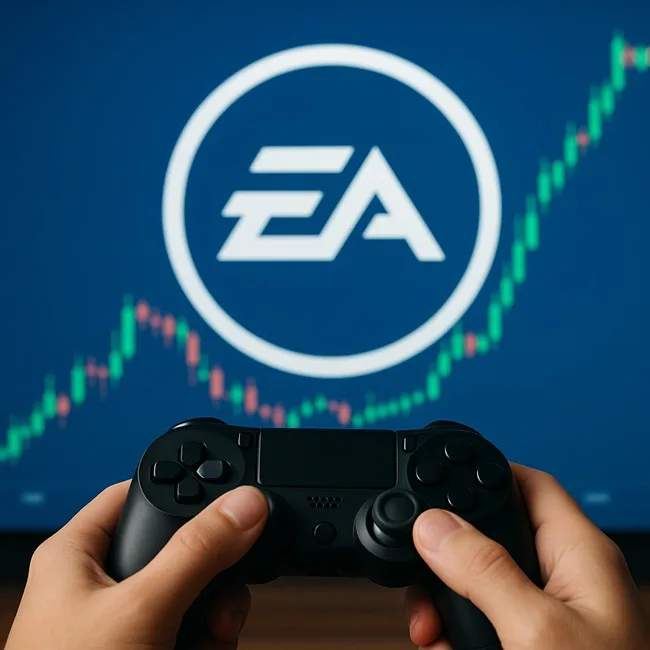
Electronic Arts Inc. (NASDAQ: EA) stunned markets this week as its shares rocketed almost 15 percent in a single session after The Wall Street Journal reported that the publisher behind some of the world’s most enduring video game franchises is on the verge of going private. The deal, which sources say is valued at around $50 billion, would mark one of the largest leveraged buyouts ever attempted in the media and entertainment sector. It would also represent a historic shift in ownership for the California-based publisher that has spent four decades as one of gaming’s most closely watched public companies.
The surge in Electronic Arts’ stock price underscored the seriousness with which investors interpreted the reports. EA closed at $193.35 on September 26, up $25.03 or 14.87 percent, representing its biggest single-day jump in years, Barron’s and MarketWatch noted. Trading volume spiked as institutional desks, retail investors, and hedge funds scrambled to reposition around what could be one of 2025’s most dramatic corporate transactions.
Who is leading the $50 billion bid to take Electronic Arts private?
People familiar with the talks indicated that the buyout is being led by a powerful consortium according to Reuters that includes private equity group Silver Lake, Saudi Arabia’s sovereign wealth fund, the Public Investment Fund (PIF), and Affinity Partners, the investment vehicle launched by Jared Kushner. Reports suggest that the consortium is in advanced negotiations with EA’s board, with an announcement possible within days.
The financing package underpinning the transaction could exceed $20 billion in leveraged loans and bonds, with JPMorgan reported to be arranging the debt. The aggressive structure underscores how private capital is again reaching for large, brand-anchored companies despite higher borrowing costs compared to the zero-interest rate era. For Saudi Arabia’s PIF, the deal aligns with its broader strategy of diversifying away from hydrocarbons and gaining exposure to global entertainment and digital platforms.
Silver Lake, meanwhile, has a long track record of investing in technology and media firms, including stakes in Endeavor and Dell Technologies. For Affinity Partners, the EA bid would be the most ambitious deal in its short history, giving Kushner’s fund a foothold in an industry that blends digital entertainment, sports branding, and global consumer engagement.
How does Electronic Arts’ business model make it attractive for private equity investors?
Analysts note that Electronic Arts has become a cash-generating machine thanks to a portfolio of annualized sports titles and durable franchises. The publisher holds exclusive rights to the NFL for its Madden football series, runs the globally popular FC soccer franchise (formerly FIFA), and continues to monetize long-running franchises such as The Sims and Apex Legends.
Crucially, EA has built recurring revenue streams through live services and in-game purchases, which generate predictable cash flow that private equity firms can use to service debt. Sports titles, in particular, have proven resilient across economic cycles, as fans tend to buy updated editions regardless of macroeconomic headwinds. This stability makes EA structurally different from many software firms that depend on cyclical blockbuster releases.
In addition, Electronic Arts’ strong intellectual property pipeline allows private owners to make long-term bets without the quarterly scrutiny of Wall Street. Freed from public markets, EA could invest more heavily in riskier creative projects, while still relying on its sports franchises to provide ballast.
What are the financial and strategic implications of a $50 billion leveraged buyout?
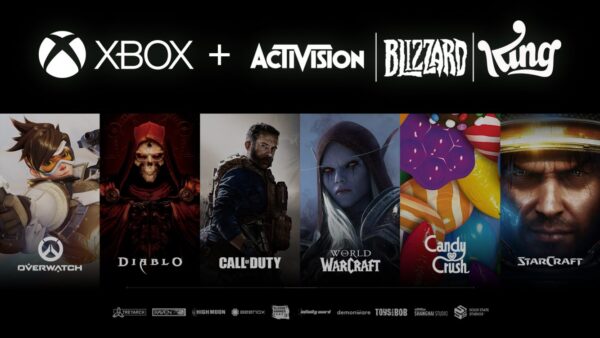
If finalized, the Electronic Arts transaction would rival some of the largest leveraged buyouts in history, including Blackstone’s purchase of Equity Office Properties and the KKR-led buyout of TXU. A $50 billion deal would instantly become the largest take-private in the gaming sector, eclipsing Microsoft’s $69 billion acquisition of Activision Blizzard in 2023 in symbolic if not structural terms.
The financial implications are complex. EA’s current market capitalization sits just above $40 billion. Paying a premium to shareholders while layering in more than $20 billion in debt financing will push the deal size into record territory. The new owners would need to ensure that EA’s cash flows remain resilient enough to meet interest and principal repayments, particularly if global gaming growth slows.
Strategically, the move reflects a growing recognition that video games are no longer just entertainment products but essential cultural platforms. EA’s franchises not only drive billions in direct revenue but also underpin media rights deals, esports ecosystems, and merchandising agreements. Control of such assets provides influence that extends well beyond the console or PC.
How is Wall Street reacting to the Electronic Arts go-private talks?
Institutional sentiment has been quick to adjust. Traders observed a rush of options activity in EA shares as investors positioned for potential further upside if the deal advances. Some analysts suggested that the market is now pricing in at least a 70 percent chance that the transaction closes, given the magnitude of the price jump.
However, not all voices are convinced. Some fund managers caution that such a highly leveraged buyout could face regulatory pushback, particularly given the involvement of a foreign sovereign wealth fund. U.S. regulators have shown increasing scrutiny of deals that could shift control of sensitive intellectual property or consumer platforms into overseas hands. The Committee on Foreign Investment in the United States (CFIUS) could play a decisive role.
Bond market participants are also wary. While debt markets have shown renewed appetite for large leveraged financings in 2025, investor discipline has tightened compared to the era of near-zero interest rates. Pricing the debt package for EA could require sweetened terms, potentially raising costs for the acquiring consortium.
What risks could derail the Electronic Arts deal before completion?
Several risks remain that could prevent the $50 billion transaction from materializing. Beyond regulatory reviews, the structure of the financing must withstand volatile credit conditions. If debt investors balk at the scale of the deal or demand higher interest rates, the economics could shift quickly.
Additionally, EA’s board must weigh whether the offer represents fair value for shareholders. With the stock now trading near record highs, any bid will be scrutinized against expectations of what EA could achieve as a public company. If rival bidders emerge — such as another private equity syndicate or even a strategic acquirer from the media sector — the dynamics could change.
Finally, execution risk cannot be ignored. Private equity ownership would saddle EA with substantial debt, limiting flexibility to navigate downturns or to scale quickly in emerging areas like cloud gaming and virtual reality. For a company in a rapidly evolving industry, the ability to invest flexibly remains crucial.
What does this mean for the global video game industry’s future ownership structure?
The Electronic Arts take-private talks highlight a broader trend: private capital and sovereign funds are aggressively pursuing gaming assets as part of their diversification strategies. In recent years, the industry has seen unprecedented consolidation, from Microsoft’s purchase of Activision Blizzard to Tencent’s investments in Riot Games, Epic Games, and dozens of smaller studios worldwide.
If EA joins the ranks of privately held giants, the balance of power in gaming will tilt further toward private capital pools that can afford long-horizon bets. This could accelerate industry consolidation, reduce transparency around decision-making, and spark new regulatory debates. At the same time, it could allow publishers to focus more on long-term franchise health without the pressure of quarterly earnings calls.
For gamers, the impact will hinge on whether private ownership encourages innovation or cost-cutting. EA’s reputation has long been mixed among players, with criticism around microtransactions balanced by praise for high-quality franchises. Under private equity ownership, decisions around monetization and franchise development could shift in unpredictable ways.
Final outlook on Electronic Arts’ $50 billion go-private bid and investor sentiment
At this stage, Electronic Arts’ take-private deal remains unconfirmed but highly credible. The sudden surge in share price, the caliber of the reported investors, and the scale of the financing all suggest that the consortium is serious. If completed, it would mark a defining moment for the global video game industry, reshaping not only how Electronic Arts operates but also how investors perceive gaming as an asset class.
Investor sentiment is clearly leaning positive in the short term, with hedge funds and institutional desks betting on a premium exit. Yet the risks of regulatory intervention, debt market volatility, and execution challenges loom large. For long-term investors, the question is whether EA’s franchises can continue to generate stable cash flows under a leveraged ownership model.
The deal, if sealed, would signal that gaming has officially joined the ranks of core strategic industries where sovereign capital, private equity, and media power converge. For now, Electronic Arts has become the market’s newest litmus test of how far private capital is willing to go in reshaping the entertainment business model.
Discover more from Business-News-Today.com
Subscribe to get the latest posts sent to your email.