



How are nuclear relicensing efforts helping to offset renewable interconnection delays in PJM and MISO grids?
As renewable energy projects struggle to connect to the grid across major U.S. markets, nuclear relicensing is gaining new importance as a reliability safeguard. PJM Interconnection and Midcontinent Independent System Operator (MISO)—two of the largest regional transmission organizations in North America—are facing unprecedented delays in bringing clean energy projects online. In this high-stakes environment, license extensions for existing nuclear power plants are emerging as a near-term stabilizing force. With Vistra Corporation’s (NYSE: VST) Perry Nuclear Power Plant now approved to operate through 2046, nuclear assets are helping to maintain zero-carbon baseload generation while grid operators work through the interconnection backlog.
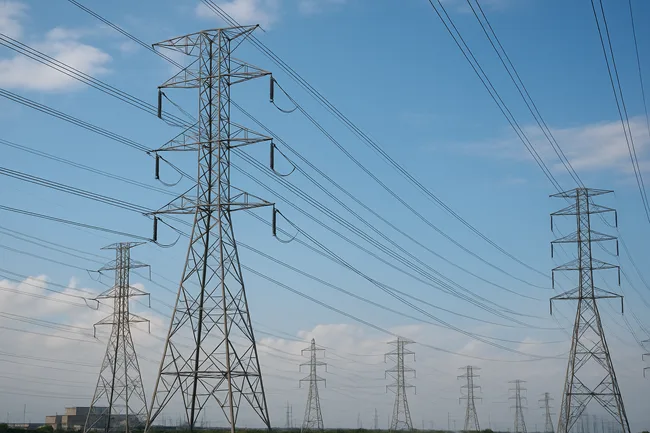
PJM and MISO together manage grid reliability for over 120 million people. Yet both markets have acknowledged that their interconnection queues are congested, with thousands of clean energy projects awaiting approval and connection. Nuclear plants that are already grid-integrated—and now extended for decades—are becoming valuable stopgaps, ensuring reliability as transmission infrastructure and permitting reform slowly progress.
Why are renewable energy projects experiencing interconnection delays in PJM and MISO regions, and how severe is the backlog?
Both PJM and MISO are confronting capacity bottlenecks that have hampered renewable energy deployment. PJM currently has over 2,600 gigawatts of proposed generation and storage in its interconnection queue. Although reforms enacted in 2023 have improved processing efficiency, typical study timelines remain lengthy, averaging 36–40 months in many cases. Meanwhile, MISO has reported that a significant portion of projects with signed generator interconnection agreements remain stalled due to supply chain limitations, cost inflation, and regional permitting uncertainties.
Developers cite a growing misalignment between federal clean energy targets and the pace of regional grid readiness. The slow integration of renewables into existing networks has raised concerns about long-term reliability, especially as electrification and data center expansion drive record electricity demand across the eastern and central U.S. Transmission capacity—especially in congested corridors—is a key limiting factor, and new infrastructure approvals often take years.
How can nuclear license extensions like Perry’s serve as a bridge amid transmission and interconnection slowdowns?
In contrast to new utility-scale solar or wind projects, nuclear relicensing offers a fast and proven way to retain clean generation capacity. Once safety and operational conditions are met, the Nuclear Regulatory Commission (NRC) can approve 20-year license extensions, keeping existing zero-emission plants like Perry online without the need for new grid upgrades or environmental siting reviews.
This dynamic is particularly relevant in PJM, where surging demand is colliding with project delays. The grid operator recently saw an 800% spike in capacity auction prices for 2025–2026, driven by concerns over supply shortfalls amid slower-than-expected renewable integration. Nuclear power, which runs at over 90% capacity factor, remains a crucial buffer in this uncertain landscape. By extending the operational lifespan of reactors like Perry, Vistra and other utility developers are helping stabilize the grid while broader transmission modernization continues.
What are grid operators doing to mitigate renewable integration issues alongside relying on nuclear capacity?
Both PJM and MISO have launched reform initiatives aimed at addressing interconnection delays and expediting project approvals. PJM is deploying AI-powered tools in collaboration with Google’s Tapestry unit to streamline queue processing and improve forecast accuracy. These systems are expected to cut approval timelines significantly by 2026 under the revised “first-ready, first-served” model.
MISO, meanwhile, is reassessing its queue management rules and considering a resubmission of its ERAS (Expedited Resource Addition Study) framework to the Federal Energy Regulatory Commission (FERC). The aim is to allow shovel-ready clean energy projects to proceed without being delayed by larger, more complex transmission studies. These policy shifts reflect growing urgency across regional operators to reconcile climate goals with real-world grid constraints.
At the federal level, the Department of Energy and FERC have also increased funding and regulatory flexibility for grid expansion. New rulemakings are in progress to enhance planning transparency, encourage multi-state collaboration, and support projects that improve renewable energy access while maintaining reliability standards.
How do nuclear extensions and grid reforms interplay with investor sentiment and energy transition policies?
Institutional investors have responded positively to recent nuclear relicensing announcements, viewing them as a cost-efficient path to preserving clean firm power capacity. In the absence of new nuclear construction—still hampered by high capital costs and regulatory complexity—extending the lifespan of licensed units like Perry and Comanche Peak ensures predictable, zero-carbon output in a challenging policy environment.
From a financial standpoint, relicensing defers the need for expensive replacement generation, reduces emissions intensity per megawatt-hour, and provides a hedge against future capacity price volatility. Analysts note that investor appetite for grid reliability is increasing, particularly as data center buildouts and electrification accelerate peak demand. License renewals are seen not only as risk mitigation tools, but also as strategic enablers of clean energy alignment without immediate infrastructure dependency.
At the policy level, relicensing supports the Biden and Trump administrations’ shared emphasis on energy independence and grid resiliency. The Department of Energy has specifically highlighted relicensed nuclear plants in recent national reliability modeling, reflecting bipartisan consensus on their continued relevance.
What strategic outlook is emerging for balancing nuclear relicensing and clean energy expansion in PJM and MISO?
A dual-pathway strategy is emerging across PJM and MISO, wherein legacy nuclear plants provide firm reliability while the clean energy pipeline is gradually unlocked through interconnection reform and targeted grid upgrades. While grid operators remain committed to scaling renewables, they increasingly recognize that baseload continuity must be maintained in the interim.
Vistra’s full nuclear relicense portfolio—spanning Ohio, Pennsylvania, and Texas—illustrates this balancing act. With all six of its nuclear reactors now licensed through at least 2037 and as late as 2053, the electric utility developer is well-positioned to serve both capacity and emissions targets over the coming decades.
Experts expect this model to expand as more utilities pursue license renewals for existing nuclear facilities while also investing in solar, wind, and battery energy storage systems. FERC and DOE guidance continues to support these parallel investments, and grid planners are likely to prioritize reliability-preserving relicensing alongside accelerated clean energy expansion.
Ultimately, the interplay of nuclear relicensing, AI-enabled queue management, and targeted transmission buildout will determine whether the U.S. grid can remain both reliable and decarbonized through the 2030s.
Discover more from Business-News-Today.com
Subscribe to get the latest posts sent to your email.