



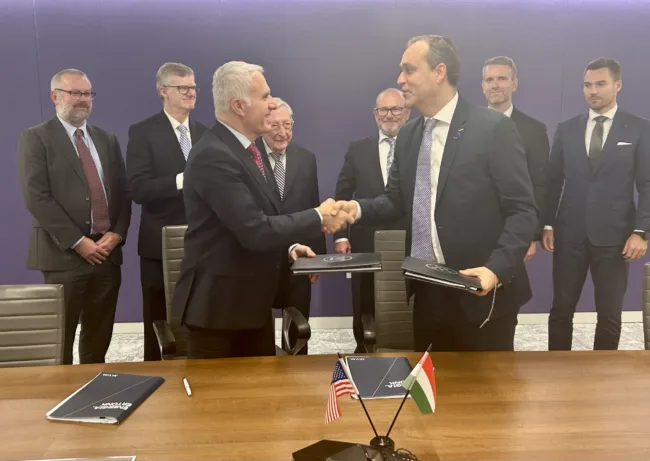
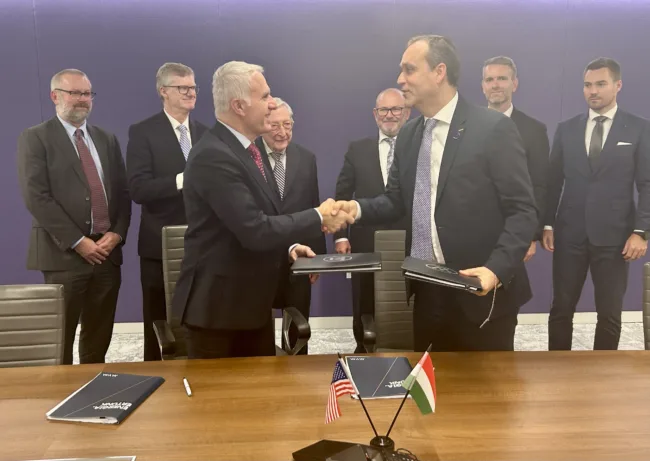
In a strategic step toward strengthening nuclear energy security, Westinghouse Electric Company has entered into a fuel supply agreement with MVM Group to deliver VVER-440 nuclear fuel to Hungary’s Paks Nuclear Power Plant starting in 2028. The agreement, signed on November 7, 2025, aligns with Hungary’s national objective of diversifying its nuclear fuel sources and reducing dependency on a single supplier.
The fuel, designed and manufactured in Europe by Westinghouse Electric Company, will serve as an alternative to the Russian-origin nuclear fuel traditionally used by Paks Nuclear Power Plant. The American nuclear technology supplier stated that deliveries would commence following successful completion of licensing requirements.
This agreement places Westinghouse Electric Company at the core of Hungary’s transition toward energy sovereignty and a more resilient nuclear infrastructure. Executives from both organizations described the deal as a milestone in building fuel independence and securing cost-effective power generation for the country.
Why is Hungary diversifying nuclear fuel supply and what are the implications for regional stability?
For decades, Hungary has sourced nuclear fuel for its VVER-440 reactors exclusively from Russian suppliers. However, the geopolitical consequences of the Russia–Ukraine conflict have driven many Central and Eastern European countries to seek alternatives. Hungary, while maintaining ties with Russia on several fronts, has also recognized the growing risks of over-reliance on a single supplier for strategic energy resources.
Károly Mátrai, Chief Executive Officer of MVM Group, noted that the agreement was a deliberate response to current energy challenges. He stated that the deal would enhance both the safety and flexibility of the country’s primary base-load power facility. The shift is expected to help secure affordable energy for households and industrial users while minimizing exposure to supply disruptions driven by geopolitical tensions.
This move also echoes European Commission policies encouraging energy diversification as part of the broader REPowerEU initiative. Though Hungary has often charted its own course within the European Union on energy matters, this agreement mirrors the EU’s strategic direction, particularly regarding critical infrastructure independence.
What role does Westinghouse Electric Company play in VVER fuel supply across Europe?
Westinghouse Electric Company has steadily expanded its footprint in the VVER fuel market, particularly after launching redesigned VVER-440 fuel compatible with Soviet-era reactors in Europe. The company had already supplied fuel reloads to Ukraine’s Rivne Nuclear Power Plant and Finland’s Loviisa facility. In 2025, it reached a critical milestone by delivering its first VVER-440 reload batch to the Dukovany Nuclear Power Plant in the Czech Republic.
Additionally, Westinghouse Electric Company has established itself as a primary supplier of VVER-1000 fuel, serving reactors in Bulgaria’s Kozloduy plant and multiple sites in Ukraine including South Ukraine, Khmelnytskyi, and Temelin.
By finalizing the Hungary contract, Westinghouse Electric Company has now become the only fuel provider currently serving all VVER-type reactors in Europe and Ukraine. Tarik Choho, President of Westinghouse Nuclear Fuel, emphasized that this agreement deepens the company’s commitment to fuel diversification and energy security across the continent.
How will the Paks Nuclear Power Plant integrate Westinghouse fuel starting 2028?
The new agreement with Westinghouse Electric Company will take effect in 2028, allowing ample time for regulatory approval, safety validation, and operational testing. Although technical readiness has already been demonstrated in countries like Finland and the Czech Republic, adapting to a new fuel supplier still requires rigorous national licensing procedures and reactor compatibility assessments.
Hungary’s proactive stance allows for a staged transition. Existing fuel contracts will be honored during the interim period, providing continuity of operations at Paks Nuclear Power Plant. The new supply pathway introduces redundancy into Hungary’s energy planning, a feature that experts suggest is becoming increasingly necessary across all forms of critical infrastructure.
Analysts expect that the licensing process could also include performance evaluations, which may eventually benefit the broader nuclear fuel development ecosystem. Westinghouse Electric Company is likely to incorporate findings from Hungary into its ongoing R&D and manufacturing optimization efforts.
What is the broader impact of the Westinghouse deal on nuclear energy supply chains?
This contract enhances Westinghouse Electric Company’s position as a pivotal player in the secure nuclear energy supply chain. The VVER reactor market, while relatively niche, is strategically important because many operating reactors across Eastern Europe rely on this legacy technology. For those nations seeking energy independence from Russian-origin fuel, the American supplier offers the most viable Western alternative with demonstrated reactor compatibility and a growing European manufacturing base.
The deal may also trigger a domino effect. Neighboring countries operating similar VVER reactors, such as Slovakia or Serbia, could view Hungary’s move as a test case for their own diversification strategies. Moreover, it signals to institutional investors and international financing bodies that countries in the region are serious about energy diversification, possibly unlocking funding for further infrastructure modernization.
How are institutional observers and investors responding to this nuclear fuel agreement?
While Westinghouse Electric Company is privately held and does not trade on public markets, its moves are closely tracked by institutional investors involved in nuclear, uranium, and infrastructure-focused portfolios. The Hungary agreement increases visibility for VVER-compatible technologies and strengthens the investment case for fuel manufacturing facilities and modular reactor support systems in the West.
Investor sentiment around nuclear energy has also improved, particularly in light of climate change goals and rising concerns over energy supply disruptions. Sovereign wealth funds and large asset managers are increasingly viewing nuclear assets as both climate-aligned and geopolitically strategic, a sentiment that could accelerate the flow of capital toward companies embedded in Western-aligned supply chains.
Westinghouse Electric Company is expected to benefit from higher procurement volumes and increased demand for customization of fuel assemblies across aging nuclear plants transitioning away from Russian-origin designs.
What does the future hold for Hungary’s nuclear roadmap and energy diversification efforts?
Hungary’s longer-term nuclear roadmap includes the Paks II expansion project, which remains under development with Russian technology. However, the diversification of fuel supply at the existing Paks Nuclear Power Plant adds an important layer of flexibility for national planners.
Over the coming years, Hungary could leverage its dual-supplier setup to balance political, technical, and financial risks. Should regional or international sanctions intensify or broader supply disruptions occur, the Westinghouse Electric Company fuel line could serve as a critical contingency.
Energy analysts expect that more countries will begin to mirror Hungary’s hedging strategy. In this context, nuclear diversification is no longer just a technical or regulatory issue but a key pillar of national security and long-term affordability.
Key takeaways: What does Westinghouse’s Hungary deal mean for nuclear fuel diversification in Europe?
- Westinghouse Electric Company has signed a long-term fuel supply agreement with MVM Group to deliver VVER-440 fuel to Hungary’s Paks Nuclear Power Plant beginning in 2028, marking a strategic shift in Hungary’s nuclear energy policy.
- The fuel will be manufactured in Europe, allowing Hungary to reduce its long-standing reliance on Russian nuclear fuel sources while enhancing national energy security.
- Westinghouse Electric Company now serves all VVER reactor operators in Europe and Ukraine, reinforcing its role as the leading Western alternative in the VVER fuel segment.
- The agreement provides Hungary with greater operational flexibility, predictable pricing, and geopolitical insulation amid ongoing tensions in Eastern Europe.
- Analysts view the deal as a model for other countries with Soviet-era reactors to diversify fuel supply, particularly in alignment with broader European Union energy resilience goals.
- The contract is also expected to drive institutional investor confidence in nuclear infrastructure modernization and supply chain localization.
- Licensing procedures and technical integration efforts will take place over the next three years, positioning Hungary to safely transition its reactor fuel sources without operational disruption.
Discover more from Business-News-Today.com
Subscribe to get the latest posts sent to your email.



