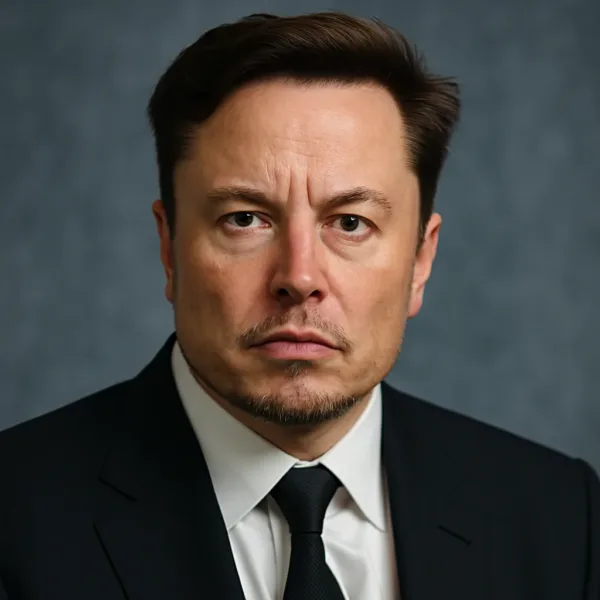
Elon Musk’s American artificial intelligence startup, xAI, is reportedly preparing a funding round that could value the business between 170 billion dollars and 200 billion dollars. The planned fundraising underscores xAI’s aggressive push to scale its supercomputing infrastructure and integrate its AI products more deeply with its broader platform ecosystem, including the Grok chatbot and social media platform X.
Founded in the third quarter of 2023, xAI has quickly evolved into a central player in the global AI race. Its acquisition of X in March 2025 for an estimated 33 billion dollars boosted its combined enterprise value to approximately 113 billion dollars. The new fundraising would mark another major milestone, potentially making xAI one of the most highly valued private AI firms globally.
What is driving xAI’s pursuit of a $200 billion valuation and how will the capital be deployed?
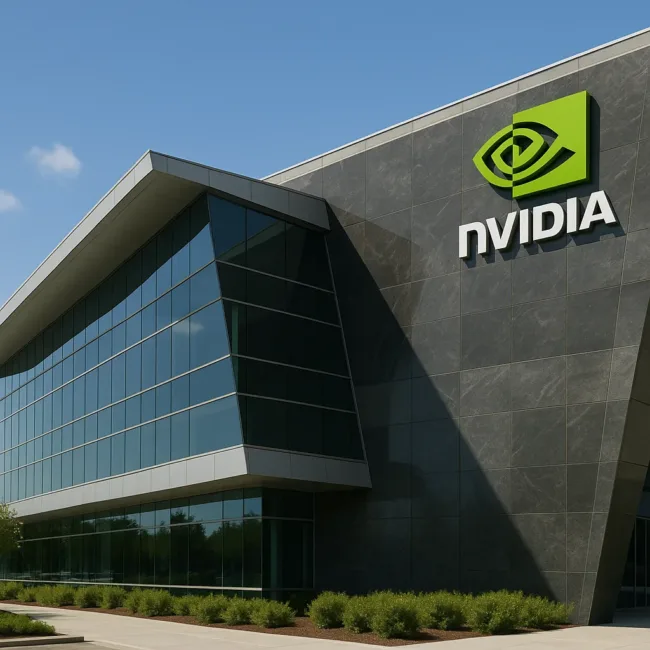
The primary catalyst for this valuation target is the planned expansion of xAI’s Colossus supercomputer in South Memphis, Tennessee. The existing facility operates roughly 200,000 Nvidia Hopper GPUs, consuming an estimated 300 megawatts of power. xAI plans to scale this to one million GPUs, a move expected to require up to two gigawatts of power. Such scale would place Colossus among the largest AI supercomputing facilities in the world.
Morgan Stanley recently facilitated ten billion dollars in financing—split equally between debt and equity—supporting this infrastructure build‑out. Bank projections indicate that with full operational capacity, xAI could generate more than one billion dollars in gross revenue by the end of 2025 and exceed 13 billion dollars in annual earnings by 2029. The capital from the upcoming round will be used to secure additional GPUs, expand power and cooling infrastructure, and enhance data‑processing capabilities critical for training next‑generation AI models.
Who are the strategic investors anchoring this round and what does their participation reveal about xAI’s future strategy?
The new fundraising effort is expected to include major commitments from sovereign and institutional investors. Saudi Arabia’s Public Investment Fund, through its investment arm Kingdom Holdings, is anticipated to increase its stake, building on its existing 800 million dollar exposure. SpaceX has pledged two billion dollars as part of a broader five billion dollar equity injection, signaling deepening cross‑venture integration within Musk’s business ecosystem.
Tesla, Inc. shareholders are scheduled to vote later this year on a proposal to allow the electric vehicle maker to invest directly in xAI. Elon Musk has clarified that while Tesla may participate as a strategic investor, there will be no merger between Tesla and xAI. Analysts view this shareholder vote as a key governance measure to ensure transparency as Musk continues to leverage his broader corporate network to support xAI’s growth.
What environmental and regulatory challenges could affect xAI’s Memphis supercomputer expansion?
The rapid expansion of the Colossus supercomputer has drawn scrutiny from environmental and community groups in Memphis. The facility has relied on methane-powered gas turbines and Tesla Megapacks to meet its current energy needs, raising concerns over air quality and regulatory compliance. Recent reports suggest that xAI is installing additional gas-fired infrastructure, including imported power plant components, to meet future capacity requirements.
Local health authorities have already issued air permits for a portion of these operations, but advocacy groups are preparing legal challenges citing potential violations of environmental regulations and disproportionate health impacts on nearby communities. Any significant regulatory delays or mandated operational changes could slow the pace of xAI’s infrastructure rollout and affect its near-term revenue trajectory.
How are analysts and institutional investors reacting to xAI’s valuation target and financing structure?
Institutional sentiment toward xAI remains cautiously optimistic. Many investors view Musk’s integrated funding model—often described as the “Muskonomy”—as a bold and coordinated approach to building an end-to-end AI ecosystem. The involvement of sovereign wealth funds and cross‑funding from SpaceX reinforces confidence in xAI’s capital depth.
However, concerns persist regarding governance and capital allocation risks. Tesla’s stock has declined roughly 20 percent year to date, and some investors are wary of deploying Tesla’s cash reserves to finance a high‑risk, capital‑intensive AI venture. The upcoming shareholder vote is therefore viewed as an important indicator of investor trust in Musk’s long‑term vision. Despite these concerns, Tesla’s stock saw a modest uptick after the SpaceX investment announcement, reflecting continued belief in Musk-led enterprises’ ability to attract substantial funding.
What risks could derail xAI’s valuation ambitions and what milestones will determine its success?
The most significant risks include potential delays in securing regulatory approvals, environmental litigation, slower-than-expected adoption of xAI’s AI products, and logistical challenges in scaling its supercomputing infrastructure. Revenue generation from Grok and X integration will be another critical test; analysts expect meaningful traction in these segments to justify the aggressive earnings projections underpinning the 200 billion dollar valuation target.
Key milestones to watch include the closure of this fundraising round, the outcome of Tesla’s shareholder vote, updates on Colossus commissioning, and early financial disclosures confirming whether xAI is on track to achieve one billion dollars in gross revenue by year‑end. Analysts believe that successful execution across these areas would position xAI as one of the world’s most valuable private technology companies, while any setbacks could prompt investor reassessment.
What is the outlook for xAI as it attempts to secure a leadership position in the global AI market?
Over the next 12 to 18 months, xAI’s ability to deliver on its infrastructure, product, and financial promises will define its long‑term positioning. If successful, Colossus could set a new benchmark for large-scale AI training, giving xAI a strategic advantage over established players. The integration of Grok and X also provides an opportunity to monetize AI products through a platform‑based model, creating a recurring revenue engine.
Institutional investors remain focused on execution discipline, environmental compliance, and governance transparency as critical factors. A successful capital raise and strong early revenue performance would solidify xAI’s standing as a potential 200 billion dollar powerhouse in the global AI arms race.
Discover more from Business-News-Today.com
Subscribe to get the latest posts sent to your email.