



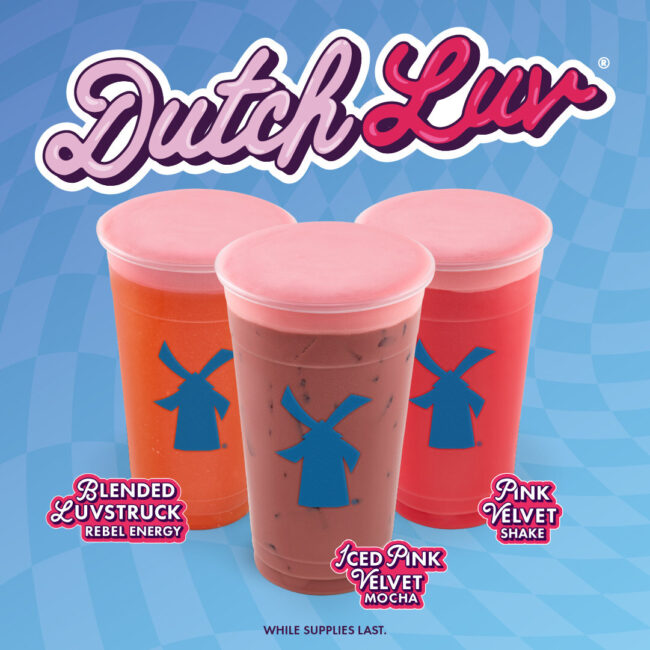
Dutch Bros Inc. (NYSE: BROS) has launched two limited-edition drinks—Pink Velvet Mocha and Luvstruck Rebel—across its national drive-thru footprint ahead of Valentine’s Day 2026. The company is pairing the product drop with its annual Dutch Luv Day of Giving initiative, through which $1 from every drink sold on February 13 will be donated to local food insecurity organizations via the Dutch Bros Foundation. With over 1,081 stores now operational across 24 states, Dutch Bros is using emotionally resonant offerings and hyperlocal cause marketing to deepen customer loyalty, reinforce franchise engagement, and differentiate from legacy competitors like Starbucks Corporation and Dunkin’ Brands.
How is Dutch Bros using seasonal product drops to reinforce its Gen Z–oriented, community-first identity?
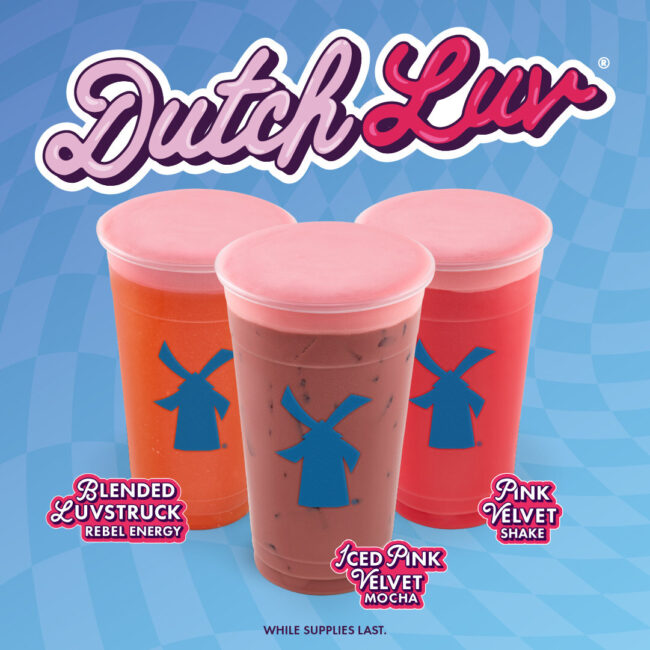
Dutch Bros’ strategy hinges on converting product launches into cultural moments. The new Pink Velvet Mocha—a customizable pink velvet-inspired iced mocha with whipped Soft Top frosting—alongside the Luvstruck Rebel—a blackberry-vanilla fusion energy drink or lemonade—extends Dutch Bros’ tradition of Instagram-ready, flavor-forward beverages tied to calendar-based emotional triggers.
Rather than framing the drinks purely around taste or caffeine content, the campaign builds an aesthetic and emotional experience: “flirty,” “romantic,” and visually expressive. These descriptions intentionally mirror the tone of fashion and lifestyle brands, not traditional food and beverage chains. In doing so, Dutch Bros positions itself as a cultural participant, not just a retailer.
This strategy plays particularly well with Gen Z and younger Millennials, who often seek brands that offer co-creation, social signaling, and deeper purpose. By embedding its new SKUs in a larger ecosystem of giving and community involvement, Dutch Bros amplifies their perceived value beyond the beverage itself.
The company’s direct-to-customer experience is also critical. All drinks are available in multiple formats—iced, blended, or frozen—and are fully customizable. That kind of flexibility ensures the drinks can serve as personalized social media artifacts, further amplifying organic reach and peer-to-peer brand transmission.
Why does the Dutch Luv Day of Giving create a capital-efficient CSR flywheel?
What separates Dutch Bros’ corporate social responsibility model from traditional philanthropic frameworks is the integration of giving into its core commercial infrastructure. The Dutch Luv Day of Giving is not an afterthought—it is operationalized through the company’s busiest seasonal week, using the existing beverage transaction as a funding trigger.
Every drink sold on February 13 contributes $1 directly to a nonprofit combatting hunger or food insecurity. Importantly, the nonprofit partners are selected by local franchisees or operators. This decentralized selection model builds grassroots credibility and allows the company to plug into regional narratives.
Organizations supported in 2026 include the Central California Food Bank, Utah Food Bank, Community Food Bank of Southern Arizona, and San Antonio Food Bank. That geographic range reflects Dutch Bros’ expanding national footprint while keeping the impact story local and authentic.
From a margin perspective, this program is efficient. It forgoes the need for a large-scale corporate donation pool or top-down CSR bureaucracy. Instead, it scales cause marketing linearly with sales volume. And because the model is opt-out—every drink counts—it naturally drives up average unit volume on a key calendar date.
The visibility of the program also enhances employee morale and franchisee cohesion, allowing Dutch Bros to use its community mission as both an external customer hook and an internal alignment mechanism.
How does this campaign position Dutch Bros against Starbucks, Dunkin’, and new beverage-native entrants?
The quick-service beverage sector is undergoing rapid fragmentation, with emerging players carving out audience-specific value propositions that large incumbents cannot easily match. While Starbucks focuses on digital ecosystem integration, mobile ordering, and format expansion—including pickup-only stores—Dutch Bros is reinforcing a more analog, crew-based customer journey.
Its beverage innovation cycle is faster and looser, allowing drinks like the Luvstruck Rebel to be imagined, branded, and deployed on a much shorter timeline. Dutch Bros’ proprietary energy drink base, the Dutch Bros Rebel, also sets it apart from coffee-first brands. The Rebel franchise creates a second axis of customer engagement—energy, not just espresso—similar to the effect of Mountain Dew within Taco Bell’s portfolio.
Dunkin’ Brands, now part of Inspire Brands, has focused its beverage differentiation around refreshers and frozen drinks, but Dutch Bros still owns the personalization frontier. It allows full customer-driven customization, often facilitated by friendly, expressive “broistas” at the window—a humanized drive-thru experience that builds rapport in a way kiosk ordering or AI voicebots do not.
Moreover, Dutch Bros’ growth model is not urban-core saturation, but suburban and secondary market penetration. This geographic strategy limits direct overlap with high-rent Starbucks locations while capturing commuting volume and regional loyalty. That strategic insulation gives the company flexibility in pricing, staffing, and real estate decisions.
What execution risks come with scaling this hyperlocal, culture-first retail model?
As Dutch Bros grows its store count—surpassing 1,081 locations across 24 states—it faces several structural challenges. First, the brand’s distinctive culture, visual identity, and philanthropic roots are harder to scale than physical stores. Each new market requires “cultural onboarding”—training employees not just in drink prep, but in the ethos of Dutch Bros’ cheerfully non-corporate tone.
The Dutch Luv Day of Giving, while effective, also introduces risks. The decentralized nonprofit selection model depends on franchisee discretion. If local partners are poorly vetted or the selection process becomes politicized, it could expose the company to reputational criticism. Furthermore, as the company expands into new states, it may face scrutiny about whether its giving is equitably distributed or simply marketing camouflage.
There are also inventory and ops coordination risks embedded in seasonal beverage rollouts. Any ingredient shortfall, packaging delay, or digital menu misfire can affect customer experience. Drinks like Pink Velvet Mocha and Luvstruck Rebel are not essential SKUs—they’re discretionary, emotional purchases. That makes execution consistency paramount.
Lastly, competition is not standing still. Players like Dutch Bros are increasingly being copied by regional boutique chains and AI-powered customization platforms. Large QSR players are investing in real-time personalization and loyalty gamification. If Dutch Bros does not evolve its own digital infrastructure—beyond its app-based loyalty program—it may risk falling behind in high-frequency engagement metrics over time.
How has the market responded to Dutch Bros’ brand narrative and expansion strategy?
Since going public in 2021, Dutch Bros Inc. has positioned itself as a purpose-driven growth story—one that blends West Coast authenticity with operational discipline. Despite macroeconomic pressures and competition from more digitally entrenched peers, the company has maintained high same-store sales performance in several key regions and continues to open new units at a steady clip.
Analyst sentiment has generally been favorable, especially among those tracking consumer discretionary and Gen Z-facing retail names. Dutch Bros’ hybrid identity—part coffee brand, part community movement—gives it a unique valuation lens. Investors are not just measuring average unit volume and store margins, but also brand resonance, social media engagement, and cultural relevance.
That said, some institutional concerns remain. Rising labor costs, sugar content scrutiny, and beverage seasonality could compress margins or cap growth in certain demographics. In addition, the company’s stock price has shown sensitivity to earnings misses tied to weather events or marketing transitions—highlighting the volatility of a retail model built partly on vibes.
Still, the expansion of Dutch Luv Day of Giving and the continued rollout of highly designed drinks are viewed as positive long-term signals. They suggest the company is still innovating within its own cultural lane, not chasing competitors into unfamiliar territory.
What are the key takeaways for investors, retail competitors, and consumer experience strategists?
- Dutch Bros Inc. is using seasonal drink launches as a platform for emotionally charged, shareable product moments tied to broader brand values.
- The Pink Velvet Mocha and Luvstruck Rebel target Gen Z customers with high visual appeal and customization potential, reinforcing brand virality.
- Dutch Luv Day of Giving anchors the campaign in purpose, with $1 from each drink sold going to regional food insecurity nonprofits.
- The decentralized nonprofit partner selection model enhances local relevance but introduces consistency and reputational risk.
- Dutch Bros’ differentiation rests on crew-driven personalization, fast drink innovation cycles, and community-integrated operations.
- The brand’s suburban market focus and secondary city expansion provide insulation from oversaturated urban QSR battlegrounds.
- Execution risk rises with scale, particularly around seasonal inventory, training, and cultural continuity across new regions.
- Competitive pressure is intensifying from both QSR giants with AI personalization platforms and boutique beverage startups mimicking Dutch Bros’ tone.
- Investors remain focused on store-level economics, margin stability, and the scalability of Dutch Bros’ culture-forward, values-based retail model.
- The campaign exemplifies how beverage brands can merge product, purpose, and personality into a defensible long-term growth engine.
Discover more from Business-News-Today.com
Subscribe to get the latest posts sent to your email.


