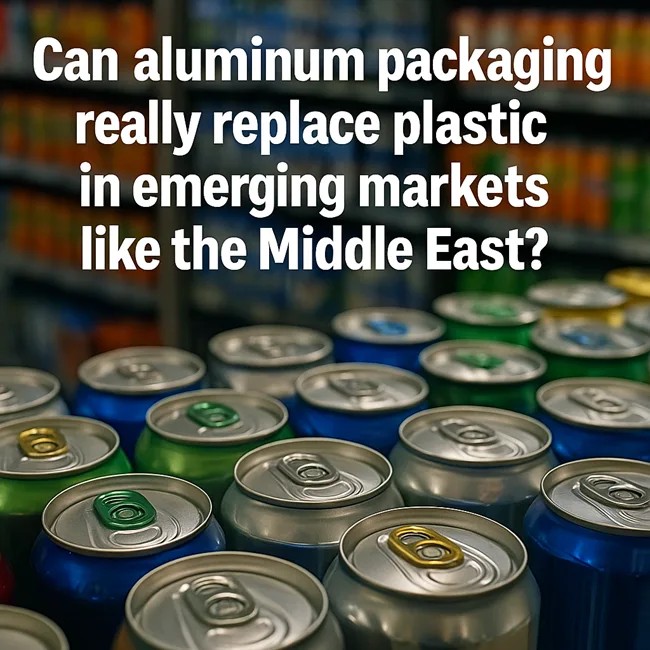
Why does Ball Corporation’s decision to scale back to a 10% stake in its Saudi venture highlight both the promise and complexity of the Gulf packaging shift?
Ball Corporation’s recent decision to sell a 41% stake in its Saudi Arabian joint venture, Ball United Arab Can Manufacturing Company (UAC), and retain only a 10% share, is about more than corporate housekeeping. It highlights the complexities of entering and expanding in emerging Middle Eastern markets, where sustainability mandates, consumer expectations, and government diversification agendas increasingly collide with cost realities and infrastructure gaps.
By reducing its majority control while holding a minority interest, Ball Corporation has chosen to remain connected to a region that is both strategically significant and operationally challenging. The American packaging firm is essentially betting that aluminum will continue to gain importance in the Gulf but is hedging against overexposure in a market where plastic packaging still dominates on scale and cost.
How are Saudi Vision 2030 and regional sustainability mandates shaping packaging choices in the Gulf?
Saudi Arabia’s Vision 2030 strategy places heavy emphasis on economic diversification and sustainable industrial growth. Within this framework, packaging has emerged as a small but meaningful battleground. Government initiatives promoting a circular carbon economy are encouraging industries to adopt recyclable materials. Aluminum cans, valued at nearly half a billion dollars in Saudi Arabia in 2024, are forecast to grow steadily over the next decade as beverage demand and recycling awareness increase.
At the same time, the broader Saudi metal packaging sector was valued in excess of USD 120 billion in 2024 and is projected to expand further this decade. Much of this momentum stems from regulatory encouragement, the rise of non-alcoholic beverages, and the push to build local manufacturing ecosystems that fit the Kingdom’s diversification agenda. Ball Corporation’s retained 10% stake, although minor in financial terms, positions it as a continued partner in this long-term sustainability transition.
What do the economics and sustainability profiles of aluminum versus PET plastic tell us in the Middle Eastern context?
The aluminum versus plastic debate is global, but the Middle East brings unique conditions to the table. Aluminum enjoys an almost unmatched sustainability profile. Recycling aluminum requires only about 5% of the energy needed to produce primary aluminum, and three-quarters of all aluminum ever produced remains in use today. In a world shifting toward climate-aligned supply chains, those metrics are powerful.
By contrast, polyethylene terephthalate (PET) plastic dominates global packaging volumes due to its lower production costs and lightweight characteristics. In Saudi Arabia, PET packaging is valued in the tens of billions of dollars, far outpacing aluminum. While recycling PET is possible, it remains less efficient and more fragmented compared to the closed-loop recycling systems that make aluminum attractive.
Yet aluminum carries a significant drawback: its upfront cost. Mining and refining aluminum is energy-intensive, and in regions where collection and recycling systems are not fully developed, those costs rise further. In Saudi Arabia and the Gulf, aluminum adoption therefore requires significant infrastructure development, from collection points to smelting and remelting facilities. Without such infrastructure, aluminum can struggle to compete with cheaper PET in mass-market applications.
How are consumer preferences and market trends in the Gulf influencing packaging strategies?
Urbanization, population growth, and shifting lifestyles in the Middle East are influencing packaging choices. Younger consumers, especially in cities like Riyadh, Jeddah, and Dubai, are increasingly aware of sustainability narratives. Aluminum packaging, with its recyclability and premium feel, resonates with these groups.
Energy drinks, soft beverages, and personal care products are key categories where aluminum is gaining traction. Global beverage brands entering or expanding in the Gulf often lean on aluminum as part of their sustainability messaging, aligning with international commitments to reduce plastic use. This mirrors trends in Western markets, where aluminum cans are displacing plastic bottles in categories such as sparkling water and craft beverages.
However, cost remains king for mass-market products. Flexible plastics and PET packaging still dominate the Middle Eastern market because they are cheaper to produce and easier to scale. Reports suggest that plastics still account for nearly two-thirds of the regional flexible packaging market, underscoring how far aluminum has to go to achieve mainstream dominance.
Can global brands accelerate aluminum adoption despite infrastructure and cost challenges?
Global brands have the potential to drive aluminum adoption by leveraging their scale and marketing power. In North America and Europe, many beverage and cosmetics companies are already transitioning to aluminum as part of their sustainability commitments. In the Middle East, this trend is beginning to appear in premium beverage and personal care segments.
Still, the scaling problem looms large. Without reliable recycling infrastructure in place, aluminum’s full sustainability advantage cannot be realized. Saudi Arabia has ambitious plans for building a circular economy, but the pace of infrastructure rollout remains uneven. Until recycling and collection systems become more widespread, aluminum’s adoption will likely be limited to premium segments where consumers are willing to pay for sustainability and aesthetics.
Ball Corporation’s decision to keep a minority interest in its Saudi venture suggests that it sees long-term potential in partnering with local stakeholders. Rather than owning and operating at scale, Ball appears to be positioning itself as a technology and customer-link partner while leaving execution to regional players like ORG Technology. This partnership approach may allow gradual expansion of aluminum packaging in markets where infrastructure and cost barriers remain high.
Where does that leave aluminum versus plastic adoption in the Gulf—realistic replacement or incremental shift?
The Middle East is unlikely to see aluminum fully replace plastic in the near future. Instead, the trend points to a hybrid landscape: aluminum gaining steady share in beverages and premium categories, while plastics continue to dominate mass-market goods.
The economics simply make a full transition improbable in the short term. PET plastic will remain cheaper and easier to deploy until infrastructure and economies of scale bring aluminum costs down. But with regulatory pressure mounting and consumer preferences shifting, aluminum’s share will grow incrementally, particularly as recycling systems improve.
For companies like Ball Corporation, the strategy seems clear: maintain visibility in the region, support sustainability goals through partnerships, and be ready to scale when the economics align. ORG Technology’s majority role in Saudi Arabia may accelerate local execution, while Ball’s global innovation and customer reach keep it tied to future growth.
The real question is timing. If Saudi Vision 2030 and broader Gulf initiatives succeed in building recycling ecosystems at scale, aluminum could emerge as the default sustainable packaging solution. If not, plastic will continue to dominate, and aluminum will remain a premium niche.
How should investors and global players interpret Ball Corporation’s Saudi stake reduction in this context?
For investors, Ball Corporation’s decision offers a lesson in pragmatic positioning. The American packaging leader recognizes both the opportunities and the risks in Middle Eastern markets. By scaling down its exposure, it preserves capital flexibility while ensuring it remains aligned with long-term sustainability and diversification goals in the Gulf.
Institutional sentiment leans toward viewing this as a balanced strategy: Ball avoids tying up resources in a challenging market while still signaling that it intends to be part of the region’s transition story. As sustainability regulations become more binding, and as consumers lean into eco-friendly packaging, Ball’s minority presence could prove strategically valuable.
Global packaging peers will likely watch closely. Companies such as Crown Holdings and Ardagh Group face similar trade-offs in balancing exposure to emerging markets with shareholder expectations of disciplined capital use. Ball’s restructuring could become a template for how multinationals engage with Middle Eastern markets in a capital-light but strategically relevant way.
Discover more from Business-News-Today.com
Subscribe to get the latest posts sent to your email.