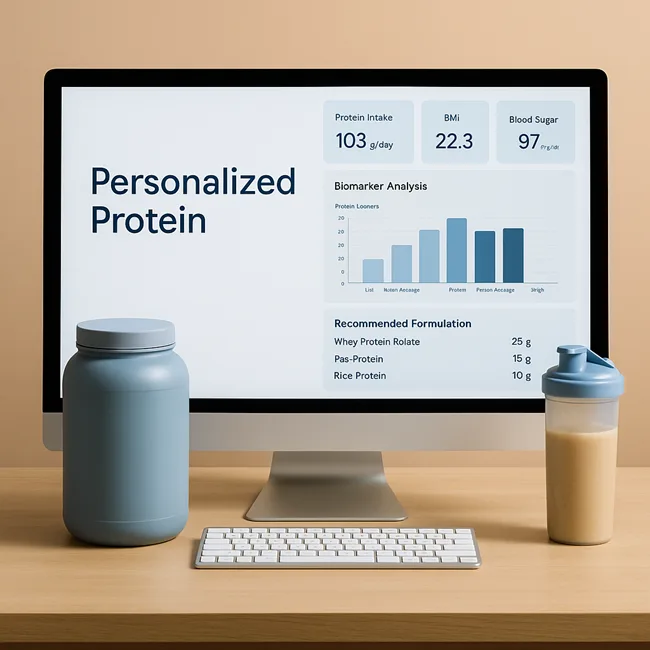
AI-powered blood testing platforms are redefining how consumers engage with nutrition—and investors are taking note. From biomarker-driven insights to precision supplement recommendations, a new class of digital health companies is merging diagnostics, machine learning, and wellness personalization into one scalable model. The momentum is evident in platforms like InsideTracker, Thorne HealthTech, Zoe, and Levels, which are using artificial intelligence to convert lab results into real-time nutrition advice for consumers.
As blood-based personalization moves from elite athletes to mainstream users, analysts say the category is poised to disrupt both traditional supplement distribution and clinical nutrition advice.
How are companies like InsideTracker and Thorne HealthTech using AI to interpret blood diagnostics?
InsideTracker, founded by longevity scientist Dr. Gil Blander, uses blood, DNA, and lifestyle inputs to generate highly personalized wellness plans. The platform’s proprietary AI engine analyzes dozens of biomarkers—including inflammation, glucose, cholesterol, and vitamin levels—to recommend specific food changes, sleep goals, and supplement protocols. Users can access plans via a digital dashboard that updates with each new test cycle.
While InsideTracker does not disclose exact financials, industry sources estimate its revenue between $10 million and $30 million annually. The American diagnostics platform has expanded its offering to include inner age scoring, injury risk prediction, and cardiovascular strain indexes—pushing it closer to a full-stack preventive care tool.
Meanwhile, Thorne HealthTech, which went public in 2021 and reported $228.7 million in net sales for 2022, has made diagnostics a growth pillar. The company’s at-home biomarker kits test for stress hormones, nutrient deficiencies, and biological age. Its AI-backed analytics engine then offers product recommendations from Thorne’s supplement catalog. The company saw double-digit revenue growth in its diagnostics segment and an over 44% increase in DTC revenues—evidence of consumer appetite for lab-based personalization.
Analysts believe Thorne’s model could become a blueprint for other supplement makers trying to compete in a crowded and commoditized space.
What investor momentum and funding activity is driving this personalized diagnostics trend?
Investor activity around personalized diagnostics remains robust. Zoe, the UK-based startup co-founded by epidemiologist Tim Spector, has raised more than $70 million to build a platform focused on microbiome-based nutrition. While Zoe began with stool-based microbiome sequencing, it now integrates glucose monitoring and blood testing to tailor its AI-driven meal guidance. Zoe has also gained traction through its large-scale PREDICT studies, which link food responses to individual health outcomes.
Levels, a U.S.-based metabolic health startup, has raised funding to build a real-time dashboard for glucose tracking. While it began with continuous glucose monitors (CGMs), Levels is gradually incorporating other blood metrics such as insulin response, triglycerides, and cortisol levels to build a broader metabolic picture. Its business model centers on subscriptions, where users receive a continuous stream of biomarker analysis paired with lifestyle and nutrition guidance.
Although exact user figures are unavailable, Levels’ beta programs have attracted attention from remote fitness coaches, sports dietitians, and preventive care physicians. Institutional sentiment around the platform suggests it may evolve into a digital metabolic clinic, especially as integration with lab partners and wearable devices accelerates.
Why are consumers turning to blood-based personalization for nutrition decisions in 2025?
Several structural shifts are driving adoption. First, the popularity of GLP-1 drugs like semaglutide and tirzepatide has elevated awareness of lean mass preservation and protein optimization, fueling demand for nutrition plans that go beyond calorie-counting. Second, the pandemic-era telehealth boom has reshaped expectations around remote diagnostics and individualized care. Consumers now expect lab-quality results from the comfort of their homes.
Third, there is growing dissatisfaction with generic dietary advice. AI-powered diagnostics platforms offer a tangible improvement by linking real biomarkers to specific interventions—whether it’s increasing omega-3 intake, modifying protein timing, or addressing vitamin D deficiency based on seasonal changes. For many consumers, this data-backed specificity provides a sense of agency that traditional dietary guidelines lack.
According to institutional investors, the combination of scientific rigor, consumer engagement, and high-margin recurring revenue makes the category attractive for long-term capital deployment.
What regulatory and data privacy factors could influence the trajectory of this market?
The rise of consumer-facing blood diagnostics has sparked concerns about data privacy, test accuracy, and regulatory classification. In the United States, at-home diagnostic tests must comply with CLIA (Clinical Laboratory Improvement Amendments) and often require partnerships with certified labs. Some platforms also voluntarily align with HIPAA data handling standards, even though they may not be legally required to do so.
In Europe, CE marking and GDPR compliance are becoming minimum entry barriers for blood-based health services. The market is also seeing increased scrutiny from public health watchdogs who want to ensure that lifestyle platforms do not misrepresent the therapeutic potential of their tests or recommendations.
Despite these challenges, analysts expect continued regulatory evolution favoring diagnostics-as-a-service, especially if platforms maintain strong data transparency, clinical reproducibility, and disclaimers around non-medical use.
How are food and supplement companies responding to this diagnostics-led personalization wave?
Large supplement players and food manufacturers are beginning to view diagnostic integration not as a threat but as a differentiator. Nestlé Health Science, for instance, has expressed interest in precision wellness partnerships, while smaller brands like Gainful and Rootine already offer customized supplements based on quiz or lab data.
A parallel trend is emerging among functional food brands. There’s a growing push to build snack bars, hydration mixes, and meal replacements tied to specific biomarker needs—such as post-workout recovery based on creatine kinase levels or immune-support foods calibrated to white blood cell count trends.
Food personalization based on real-time physiology could open up new frontiers in product labeling, potentially replacing broad “high protein” or “low carb” claims with tags like “ideal for high inflammation risk” or “formulated for lipid balance.”
What is the long-term outlook for AI-driven blood diagnostics in nutrition?
By 2027, analysts forecast that the AI diagnostics market for consumer wellness could exceed $1.5 billion globally, driven by software-enabled test panels, subscription models, and strategic licensing into healthcare, fitness, and corporate wellness verticals. As machine learning models improve, platforms may begin predicting disease risk trajectories based on food and lifestyle feedback loops—making diagnostics not just reactive but proactive wellness engines.
Key success factors will include algorithm transparency, data ownership clarity, and continued clinical validation of health claims. Over time, blood diagnostics may not remain siloed in niche wellness platforms but become embedded into smart fridges, personalized grocery delivery apps, and even health insurance plans.
For now, the race is on to define who owns the consumer relationship at the biomarker level—and how nutrition companies can plug into this data stream to deliver personalized health at scale.
Discover more from Business-News-Today.com
Subscribe to get the latest posts sent to your email.