Amit Shah challenges opposition over Manipur video as protests disrupt parliament

Amid protests over a disturbing Manipur video, Amit Shah offers to debate the issue in parliament, sparking a procedural standoff with the opposition.
Amid protests, Amit Shah proposes discussion on Manipur video controversy
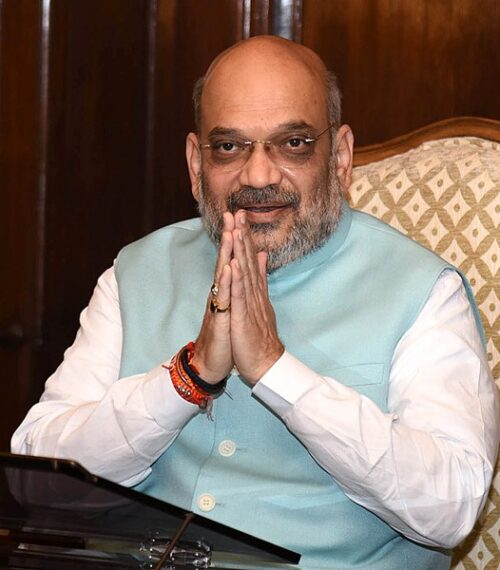
Amid protests, Amit Shah proposes discussion on Manipur video controversy. Photo courtesy of Ministry of Defence (GODL-India)/Wikimedia Commons.

India’s Monsoon Session of Parliament on July 24, 2023, again saw uproar as a disturbing Manipur video showing two women being publicly humiliated dominated proceedings. Union Home Minister Amit Shah said the government was ready for a debate and urged the opposition to allow a discussion, even as protests stalled the House .

Why is the Manipur video controversy dominating India’s monsoon session of parliament?

The controversy stems from a widely circulated video showing two women in Manipur being paraded naked by a mob. The footage emerged in mid-July 2023, drawing condemnation across India and internationally. The incident came amid ongoing ethnic violence in the northeastern state that had already claimed over 100 lives and displaced thousands .

The opposition bloc, including Congress and several regional parties, demanded that the Monsoon Session prioritise an immediate and full debate on the situation. Leaders argued that the government had been slow to act both in addressing the violence and in responding to the viral video’s revelations.

Addressing the Lok Sabha, Amit Shah acknowledged the gravity of the matter and expressed willingness to hold a discussion. He appealed to opposition leaders to agree on a format that would not derail the entire day’s agenda, saying that the truth behind the Manipur incident should be clarified through parliamentary debate .

How did parliamentary procedure become the main sticking point between government and opposition?

At the heart of the deadlock was a procedural dispute. Opposition MPs pressed for Rule 267 in the Rajya Sabha, which allows suspension of all scheduled business to discuss an urgent matter. This would have given the Manipur issue the entirety of the day’s focus.

The government, while not opposing a debate outright, proposed Rule 176, which allows for a short-duration discussion without suspending other scheduled business. The difference reflected broader political calculations — the opposition sought to focus national attention on the government’s handling of Manipur, while the ruling Bharatiya Janata Party (BJP) aimed to maintain the session’s legislative agenda .

Defence Minister Rajnath Singh had earlier confirmed in the Lok Sabha that the government was prepared to engage in a discussion, reinforcing Amit Shah’s stance .

What broader political strategies are shaping the Manipur debate in parliament?

While the opposition’s demands were focused squarely on Manipur, BJP leaders sought to broaden the scope of the debate to include crimes against women across all Indian states. They cited examples from opposition-ruled states like Rajasthan and West Bengal to frame the issue as a nationwide concern rather than one confined to a BJP-governed region .

This approach was aimed at countering allegations that the central government had failed in its duty to restore order in Manipur. Opposition leaders, however, viewed this as an attempt to dilute focus from the specific failures in the state, arguing that while crimes against women are a national concern, the urgency of the Manipur case demanded exclusive attention.

What was the immediate impact on parliamentary proceedings and legislative work?

Amid slogans and counter-accusations, both Houses faced multiple adjournments through the day, limiting legislative work and keeping the Manipur issue at the centre of the session’s agenda .

For the government, the stalemate risked delaying planned bills and discussions on economic and administrative measures. For the opposition, the continued disruption served to keep the Manipur issue in the public eye, even at the cost of legislative productivity.

How does the Manipur violence fit into India’s broader internal security challenges?

Manipur’s unrest in 2023 was part of a complex mix of ethnic, political, and economic tensions in India’s northeast. The violence, which began in May, involved clashes between the Meitei and Kuki-Zo communities, leading to fatalities, arson, and mass displacement .

The central government’s role in such conflicts is to ensure law and order through security deployment and to facilitate political dialogue to resolve grievances. Amit Shah had visited Manipur in June 2023 to assess the situation and announce measures, including increased security presence and rehabilitation plans for displaced families .

The release of the July video intensified demands for accountability. Civil society organisations, women’s rights groups, and political parties called for swift justice for the victims and stronger protections for women in conflict zones .

What are the possible outcomes of the ongoing debate over Manipur in parliament?

In the immediate term, the standoff could end either through a compromise on the debate’s format or through continued adjournments. Past high-profile incidents involving crimes against women, such as the 2012 Delhi gang rape, have prompted lengthy debates and legislative reforms.

If consensus is reached, the Manipur discussion could lead to commitments on enhanced security measures in conflict areas, stricter enforcement of laws against sexual violence, and renewed efforts at ethnic reconciliation.

However, political stakes for both sides — including state-level electoral dynamics and the national political climate — suggest that resolution will be shaped as much by politics as by policy.

How are public sentiment and media coverage influencing the parliamentary standoff?

Media coverage of the Manipur video has been intense, with 24-hour news channels, newspapers, and digital platforms providing continuous updates. Social media amplified the outrage, with hashtags demanding justice trending for days.

Public sentiment, reflected in editorials and televised debates, favoured an immediate, focused parliamentary discussion. Women’s rights advocates in particular called for accountability and concrete policy changes. This public pressure added to the opposition’s resolve to push for Rule 267, while making it politically costly for the government to be seen as avoiding a direct debate.

In the coming days of the Monsoon Session, the balance between parliamentary decorum, legislative priorities, and public demand for justice in Manipur will determine whether this confrontation leads to substantive dialogue or remains a political flashpoint.


Discover more from Business-News-Today.com

Subscribe to get the latest posts sent to your email.

Total
0
Shares
Related Posts