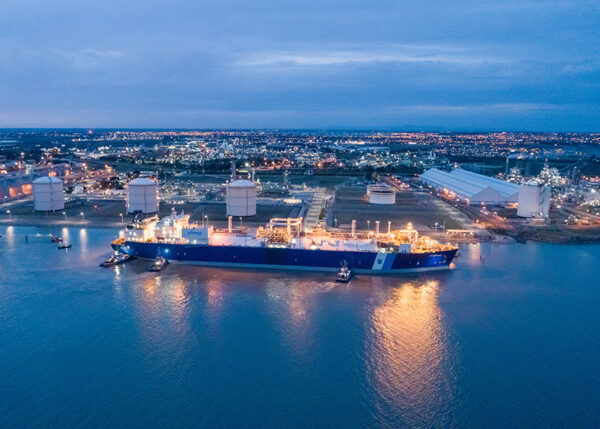
Why does ADNOC Gas’s FTSE Emerging Index inclusion matter for its global investor visibility and market liquidity?
Abu Dhabi-based ADNOC Gas plc (ADX: ADNOCGAS) has secured its place in the FTSE Emerging Index, a move widely regarded as a major milestone in its journey to becoming a global institutional favorite. Effective from the market open on September 22, 2025, this inclusion aligns the company with the FTSE Russell Global Equity Index Series, a benchmark that tracks the performance of large- and mid-cap firms in emerging markets. Market analysts estimate that the index addition could drive passive fund inflows exceeding $250 million, as international investors reweight their portfolios to reflect the updated index composition.
This marks the second global index nod for ADNOC Gas in just a few months, following its addition to the MSCI Emerging Markets Index in June 2025. Industry experts view this double inclusion as a clear affirmation of the company’s strong fundamentals, consistent strategic execution, and ability to attract global capital. The move also enhances the depth and sophistication of the Abu Dhabi Securities Exchange (ADX), reinforcing the United Arab Emirates’ position as a maturing financial hub in the Gulf region.
Institutional investors often use the FTSE Emerging Index as a gateway into growth-oriented economies, meaning ADNOC Gas’s presence will now be automatically reflected in trillions of dollars’ worth of globally benchmarked portfolios. That kind of visibility does not just attract new shareholders—it often improves trading volumes and tightens bid-ask spreads, which in turn deepens liquidity and reduces capital costs over time.
How does ADNOC Gas plan to leverage this milestone to accelerate its growth and strengthen investor confidence?
ADNOC Gas Managing Director Fatema Mohamed Al Nuaimi described the FTSE Emerging Index inclusion as an endorsement of the company’s operational resilience and growth trajectory. She highlighted that ADNOC Gas is pursuing a strategic roadmap featuring planned capital expenditures of around $20 billion and is targeting EBITDA growth of more than 40% by 2029 compared to 2023 levels. This ambitious expansion plan covers new gas processing facilities, infrastructure upgrades, and technological modernization to increase output efficiency and lower emissions.
The company’s upstream gas supply comes from ADNOC’s extensive oil and gas reserves, while its downstream portfolio spans processing, liquefied natural gas (LNG), and industrial gas products serving global markets. By leveraging this vertically integrated structure, ADNOC Gas aims to capture more value across the natural gas value chain. Its management believes that greater passive fund ownership will improve price stability and provide a strong platform for future equity offerings or debt raises, especially as the firm finances large-scale projects.
This milestone also strengthens ADNOC Gas’s investor relations narrative. Being included in both the MSCI and FTSE benchmarks puts it in a rare cohort of Middle Eastern energy companies with simultaneous presence on the world’s most tracked indices, which are staples of institutional screening models used by pension funds, sovereign wealth funds, and asset managers worldwide.
What are the implications of ADNOC Gas’s index inclusion for stock sentiment, institutional flows, and valuation multiples?
ADNOC Gas has seen relatively steady stock performance since its listing on the ADX, with its market capitalization hovering around $60 billion. Institutional participation has been gradually rising, but retail investors have dominated daily volumes until now. The FTSE Emerging Index entry is expected to shift that dynamic, as global index-tracking funds adjust their holdings to include ADNOC Gas. Analysts expect passive inflows of approximately $200–$250 million during the rebalancing window, alongside active positioning by frontier and emerging market-focused hedge funds.
Sentiment around ADNOC Gas stock has turned increasingly bullish since its MSCI inclusion, as reflected by narrowing free float discounts compared to global peers. Buy-side analysts note that the company’s valuation multiples—particularly its EV/EBITDA ratio—still trade at a modest discount to large-cap regional energy peers, suggesting room for upside as more institutional capital flows in. Market strategists believe the combined MSCI-FTSE presence could lift ADNOC Gas’s weight in regional ETFs, while encouraging longer-term holding patterns among investors who had previously viewed the stock as underrepresented in global benchmarks.
Recent ADX trading data suggests early signs of institutional accumulation, with larger average trade sizes and declining intraday volatility. While foreign institutional investors (FII) currently account for an estimated 12% of ADNOC Gas’s float, analysts anticipate this could climb toward 20% within a year, supported by the new index inclusion. Domestic institutional investors (DII) are also expected to follow suit as liquidity improves and the stock gains greater analyst coverage on global platforms.
How does ADNOC Gas’s move align with broader trends in the Middle Eastern energy and capital markets landscape?
ADNOC Gas’s index milestone reflects a broader wave of capital markets modernization across the Gulf region. Over the past five years, the UAE and Saudi Arabia have accelerated IPO pipelines, boosted free float ratios, and improved corporate governance to attract global capital. The ADX in particular has seen a surge of listings from energy, utilities, and industrial companies, expanding its market capitalization and depth.
Global index providers like FTSE Russell and MSCI have rewarded these reforms by steadily increasing Gulf stocks’ weights in emerging market indices. This, in turn, has pulled billions of dollars of passive and active flows into the region. ADNOC Gas’s dual inclusion strengthens the UAE’s standing in this global capital reallocation story, signaling that its listed energy champions are gaining parity with peers in more mature emerging markets such as Brazil and South Africa.
From a sector standpoint, natural gas is increasingly being revalued by global investors as a transitional fuel critical to the energy transition, offering lower emissions than coal and oil while providing reliability that renewables currently cannot match at scale. ADNOC Gas’s ability to anchor itself in this narrative—while delivering consistent earnings and shareholder returns—gives it a strategic edge as energy portfolios tilt toward low-carbon transition assets.
Could this spark further corporate actions, capital raises, or strategic partnerships for ADNOC Gas?
Analysts view ADNOC Gas’s index elevation as a potential prelude to larger corporate actions, including secondary share offerings or strategic equity placements to cornerstone global investors. Enhanced liquidity and index visibility lower the execution risk of such transactions by broadening the pool of institutional participants.
Some market observers believe ADNOC Gas could also leverage its elevated global profile to forge cross-border partnerships, especially with Asian and European utilities seeking long-term LNG supply security. The company’s parent, Abu Dhabi National Oil Company (ADNOC), has historically used strategic equity placements to attract blue-chip investors, and ADNOC Gas could follow a similar playbook if it seeks to raise capital for its $20 billion investment pipeline.
By positioning itself as a flagship ADX-listed vehicle for international gas investment, ADNOC Gas is effectively opening the door for deeper capital market integration between the Gulf and global institutional networks. That dynamic could not only benefit ADNOC Gas’s own valuation but also create positive spillovers for the wider UAE equity market by drawing more attention from global allocators.
Discover more from Business-News-Today.com
Subscribe to get the latest posts sent to your email.