



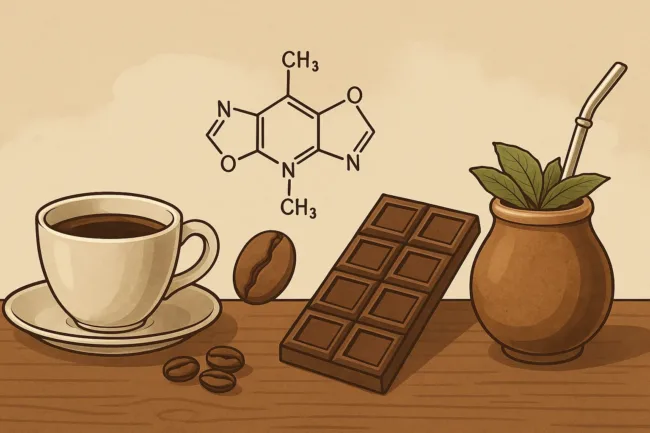
Purine alkaloids are among the most familiar bioactive compounds consumed throughout the world. Found in beverages like coffee and tea, and foods such as cocoa and chocolate, they have become central to daily rituals, cultural identity, and diet-related behavior. These compounds include caffeine, theobromine, and theophylline, all of which share a similar chemical structure yet have different physiological effects. Their influence ranges from enhancing wakefulness and alertness to affecting heart rhythm, kidney function, and respiratory muscle relaxation. Because they have been present in human consumption for centuries, understanding their biological role helps clarify why some individuals crave a morning cup of coffee, why chocolate can evoke emotional comfort, and why certain purine alkaloids play a role in medical therapy.
What are purine alkaloids and how do they naturally occur in widely consumed plants used for beverages and foods around the world?
Purine alkaloids are a category of naturally occurring compounds that originate in plants, where they often serve as protective agents. Many plants produce these molecules as a chemical defense against insects, grazing animals, or environmental stress, yet these same compounds have desirable pharmacological actions in humans. The most familiar plant sources include Coffea arabica and Coffea canephora for coffee, Camellia sinensis for tea, Theobroma cacao for cocoa and chocolate, Paullinia cupana for guarana, yerba mate leaves from Ilex paraguariensis, and kola nuts used in cola beverages. Over time, human cultures across continents developed deeply rooted consumption habits around these plants, often linking them to ritual, social gatherings, and moments of rest or alertness.
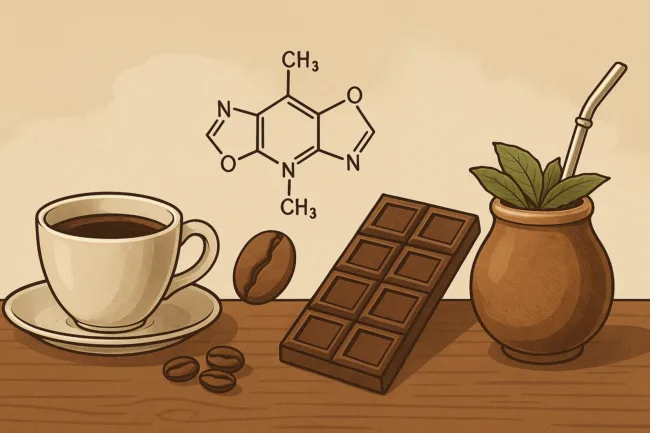
The widespread consumption of purine alkaloids is not accidental. Their effects on the central nervous system increase wakefulness and concentration, which historically made them useful for work, study, conversation, prayer, and trade. For example, coffeehouses in the Middle East and Europe became centers of philosophical and political debate. Tea developed ceremonial significance in East Asia and daily cultural presence in South Asia and Britain. Chocolate evolved from a ceremonial drink in ancient Mesoamerican cultures to a global comfort food. This long-standing cultural history reflects how purine alkaloids influence behavior, social interaction, and even emotional connection.
What chemical structure do purine alkaloids share, and how does the purine-xanthine relationship influence stimulant and therapeutic effects?
All purine alkaloids share a structural core known as the purine nucleus, composed of fused imidazole and pyrimidine rings. From this core, the body and plants generate xanthine, which serves as a biochemical intermediate. Xanthine does not typically appear freely in nature but is rapidly converted into methylated forms that become pharmacologically active.
Caffeine is scientifically known as 1,3,7-trimethylxanthine, theobromine is 3,7-dimethylxanthine, and theophylline is 1,3-dimethylxanthine. The number and position of methyl groups determine the strength, receptor affinity, and physiological targets of each compound. A seemingly small structural change can dramatically shift how a molecule influences the nervous system, respiratory system, and kidneys. Caffeine, with three methyl groups, tends to be the most potent of the group in terms of stimulating the brain. Theobromine, with fewer methyl groups, shows gentler stimulant effects but more prominent action on smooth muscle and blood vessels. Theophylline, while structurally similar, is pharmacologically strong in the respiratory system and has been used specifically in medical therapy to relax bronchial muscles.
What identifying chemical behaviors are used to distinguish purine alkaloids, and why do they show sublimation and murexide reaction characteristics?
Purine alkaloids behave differently from many other plant-derived alkaloids because they do not always respond strongly to standard alkaloid identification reagents. Instead, one of the most useful methods of confirming their presence in laboratory settings is the murexide test. When caffeine-containing material undergoes oxidation and decomposition, it produces a distinct purple-red coloration that indicates xanthine derivatives. This test has long been used to detect caffeine in both food products and pharmaceutical preparations.
Another notable property is sublimation. When heated, purine alkaloids can convert directly from a solid form into vapor without passing through a liquid stage. This behavior allows caffeine in particular to be purified through controlled heating and cooling, a method used historically before modern extraction and chromatographic techniques existed. Sublimation reinforces that these molecules possess a crystalline structure and relatively low heat stability in atmospheric conditions. Their volatility and stability characteristics influence how they are extracted and formulated in food, beverages, and drugs.
Why do caffeine, theobromine and theophylline have different stimulating, relaxing and diuretic effects depending on their interaction with the brain, heart, kidneys and smooth muscle?
Despite sharing a common origin, the three main purine alkaloids have distinct roles in the body. Caffeine is known for its strong stimulating effect on the central nervous system. It inhibits adenosine receptors, which are responsible for inducing relaxation and sleepiness. When these receptors are blocked, the brain maintains a state of wakefulness. It also enhances neurotransmitter release, improving alertness, mental focus and reaction time. This is why coffee is often consumed during work, study and tasks requiring sustained concentration.
Theobromine, found in cocoa, does not produce the same degree of mental stimulation. Instead, it acts more powerfully on smooth muscles and blood vessels. It can promote feelings of relaxation and mild elevation in mood while also contributing to diuretic and cardiac effects. Many individuals find chocolate comforting, not only due to flavor but because of the physiological effects theobromine induces.
Theophylline, commonly used in therapeutic settings, relaxes bronchial smooth muscle and improves airflow in individuals with asthma or chronic obstructive pulmonary disease. It acts partly through phosphodiesterase inhibition, increasing intracellular levels of cyclic AMP, which promotes muscle relaxation. Because theophylline can influence the heart and nervous system, dosage must be monitored carefully to avoid side effects such as tremors or palpitations.
How do cultural use, clinical application and modern wellness perspectives shape the relevance of purine alkaloids in contemporary daily lifestyle and healthcare?
Purine alkaloids have shaped daily routines for centuries. For many, the first morning activity is drinking coffee or tea, which psychologically signals alertness and routine. Chocolate remains tied to emotional comfort, reward, and celebration. In social contexts, tea and coffee continue to function as symbols of hospitality and connection.
Clinically, caffeine supports breathing in premature infants by stimulating respiratory centers. Theophylline continues to have therapeutic applications for respiratory disease in certain patients when inhaled or newer bronchodilators are insufficient. In recent years, research has examined whether moderate caffeine intake may correlate with certain neuroprotective effects, although these findings remain under study and require cautious interpretation.
Wellness perspectives increasingly focus on balance. While moderate intake supports alertness and cognitive performance, excessive consumption can lead to anxiety, sleep disruption, elevated heart rate or gastrointestinal discomfort. Individual tolerance varies based on metabolism, genetics, lifestyle and underlying health. Understanding the role of purine alkaloids allows individuals to adjust intake according to personal needs rather than habit alone.
Why understanding purine alkaloids provides insight into modern health, diet habits, and therapeutic treatments
Purine alkaloids are not merely stimulants found in familiar beverages. They are chemical compounds with deep cultural influence, biochemical complexity, and wide-ranging physiological effects. Their molecular structure explains their behavior in the human body, while their history explains their emotional and social significance. Recognizing how caffeine, theobromine and theophylline differ helps individuals make informed decisions about dietary choices, alertness management, respiratory health and daily routines.
Discover more from Business-News-Today.com
Subscribe to get the latest posts sent to your email.