




Winter often brings visible changes to the skin that many people notice within the first few weeks of the season. The skin begins to feel drier, tighter and more sensitive because cold air contains less moisture and indoor heating reduces humidity even further. This leads to increased water loss from the skin’s surface, causing dryness, flakiness, irritation and dullness. The lips may crack, the hands may feel rough and even previously balanced skin may start to show signs of dehydration. Caring for skin in winter can feel challenging, but the key is understanding how the skin barrier works and how simple changes in daily habits can preserve hydration and comfort.
Healthy winter skincare is not simply about using heavier creams. It involves adjusting bathing habits, choosing products that reinforce the skin barrier, hydrating the body from within, and paying attention to how diet and environment influence moisture levels. When these factors work together, the skin becomes more resilient, supple and radiant even in colder climates.
How does cold winter air increase moisture loss from the skin and why does this lead to dryness, flakiness and irritation during the season?
Cold air holds less humidity compared to warm air, so when the temperature drops, moisture in the environment naturally decreases. As a result, the skin begins to lose water more rapidly through a process known as transepidermal water loss. This effect becomes stronger when combined with indoor heating that removes additional moisture from the air. The skin’s outermost barrier, which normally helps to retain hydration and protect against environmental stress, becomes weak under low humidity conditions. When the barrier is compromised, the skin is more likely to develop roughness, redness and sensitivity.
Lips become chapped easily because they lack oil glands that naturally moisturize the skin. The hands and feet may also develop extreme dryness due to frequent washing and constant exposure to air. People with eczema, psoriasis or extremely dry skin may find their symptoms become more noticeable in winter. Understanding the changes in the skin barrier helps explain why skincare routines need to adapt seasonally rather than remain the same all year.
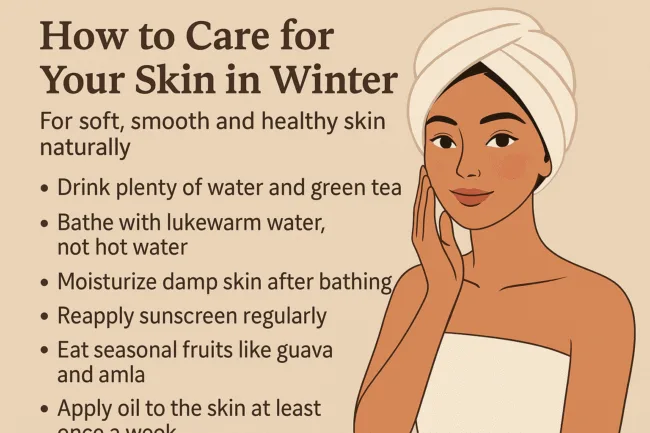
Why is internal hydration critical for healthy winter skin and how does drinking more water and herbal beverages help maintain a natural glow?
Hydration is essential for smooth, firm and naturally radiant skin because water supports circulation, nutrient absorption and cell repair. During winter, the body’s sensation of thirst often decreases because of the cold. This can lead to lower water intake even though the body still requires hydration. When the body is not well hydrated, the skin loses elasticity, looks dull and becomes more prone to fine lines and dryness.
Drinking enough water throughout the day helps support the skin from the inside. Warm fluids such as herbal teas also help maintain hydration. Green tea is often recommended in winter because it contains antioxidants that help the body combat oxidative stress. Choosing green tea over caffeinated or sugary beverages supports hydration without causing dehydration. The goal is to maintain steady internal moisture to complement external moisturizing efforts.
Why should bathing with lukewarm water replace hot showers during winter and how does this simple change protect the skin barrier?
Hot showers may feel soothing in cold weather, but they can strip the skin of its natural oils very quickly. These natural oils are essential for maintaining skin moisture and softness. Lukewarm water is gentler and helps prevent the dryness that follows a hot shower. Shorter bath durations also help preserve the moisture barrier.
Drying the skin gently instead of rubbing it vigorously prevents irritation and helps retain hydration. Moisturizer should be applied while the skin is still slightly damp, which allows the product to seal in water effectively. In some traditional wellness practices such as Ayurveda, oiling the skin before bathing once a week is recommended because it nourishes the outer layers of the skin. Using natural oils like sesame oil or coconut oil helps reinforce the barrier and reduce dryness. Even adding a few drops of olive oil to bathwater can provide a softening effect that keeps the skin smooth and comfortable.
How does using the right moisturizer support the skin barrier during winter and what role does applying moisturizer to damp skin play in preventing dryness?
Moisturizers help trap water in the skin and reinforce the barrier that protects against moisture loss. During winter, creams and balms with richer textures are more effective than lightweight lotions. Applying moisturizer while the skin is still damp after cleansing or bathing helps lock in water before it evaporates. This technique strengthens the skin’s hydration layer and improves elasticity.
Moisturizers containing nourishing ingredients such as ceramides, shea butter, glycerin or natural plant oils offer long-lasting softness. Gentle cleansers should replace strong soaps or foaming washes because harsh cleansing can damage the barrier. The skin thrives when it is treated gently, hydrated consistently and protected with a nourishing routine that adapts to the colder season.
Why is sunscreen still necessary in winter and how does ultraviolet exposure continue to affect the skin even when sunlight appears weaker?
Sunscreen is often associated only with summer, but ultraviolet rays can penetrate clouds and reflect off surfaces such as snow, glass and water. This means UV exposure remains significant in winter. Over time, UV rays may contribute to dryness, fine lines, dark spots and premature aging. Applying sunscreen daily helps protect the skin from long-term damage and keeps it looking healthy and bright throughout the year.
Reapplying sunscreen during the day is beneficial, particularly when spending time outdoors, traveling or working near windows. Winter sun protection ensures that the effort of moisturizing and nourishing the skin is not undone by UV-related stress.
How can seasonal fruits like guava and amla support skin health during winter through vitamins, antioxidants and hydration balance?
Winter fruits such as guava and amla offer nutrients that support the skin from within. Guava is rich in dietary fiber and may support normal digestion and circulation, helping the body maintain a steady supply of nutrients to the skin. Amla is high in vitamin C, which plays a key role in collagen synthesis. Collagen helps maintain the skin’s firmness and elasticity. Including seasonal fruits and fresh vegetables in daily meals ensures the skin receives the vitamins and antioxidants needed for repair and glow.
Healthy fats from nuts, seeds and plant oils help maintain a strong moisture barrier. Soups, stews and warm meals support internal hydration while keeping the body comfortable in cold weather. A nourishing diet complements external skincare routines by strengthening the skin’s structure at a deeper level.
How can small daily skincare and lifestyle habits help maintain soft, comfortable and glowing skin throughout winter?
Maintaining healthy winter skin requires a thoughtful combination of hydration, nourishment and barrier protection. Gentle bathing practices, consistent moisturizing, drinking enough water, using sunscreen and eating seasonal nutrient-rich foods all contribute to smooth and glowing skin. These small habits support both comfort and long-term skin health. When practiced consistently, they make winter skincare feel natural rather than difficult.
Discover more from Business-News-Today.com
Subscribe to get the latest posts sent to your email.