

The International Monetary Fund, World Bank, International Energy Agency and World Trade Organization have warned that the Middle East war is putting renewed strain on global energy supplies and hitting vulnerable economies hardest. The warning comes as the conflict continues to disrupt trade routes, unsettle financial markets and threaten oil and gas shipments through the Strait of Hormuz. The immediate significance is not just higher energy prices, but the way fuel, fertiliser, food costs, jobs and debt stress can reinforce one another in poorer economies. For policymakers, energy companies and investors, the message is blunt: the world economy has remained resilient so far, but the energy-security shock is becoming more unequal, more political and harder to contain.
Why are global institutions warning that the Middle East war is now an energy security crisis?
The latest warning from global institutions matters because it shifts the discussion from short-term oil market volatility to systemic energy security. When energy agencies, financial institutions and trade bodies speak in the same direction, the issue is no longer just whether crude prices rise or fall this week. It becomes a broader question of whether the world’s supply chain, trade finance, fuel access and food systems can withstand prolonged geopolitical disruption.
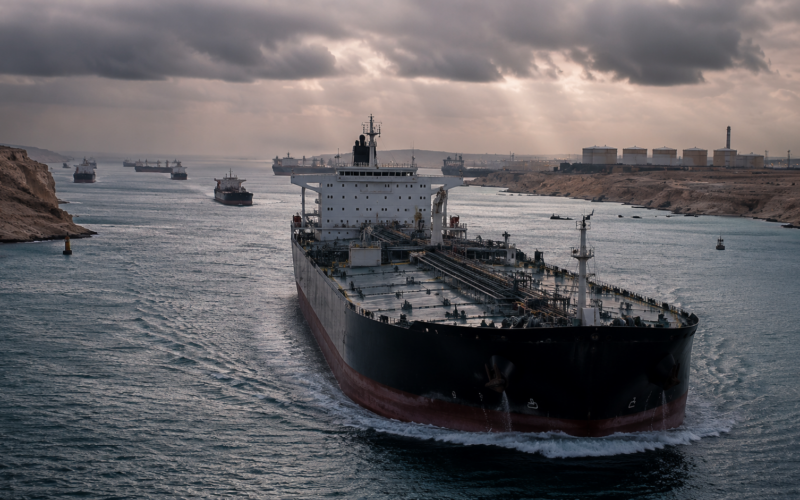
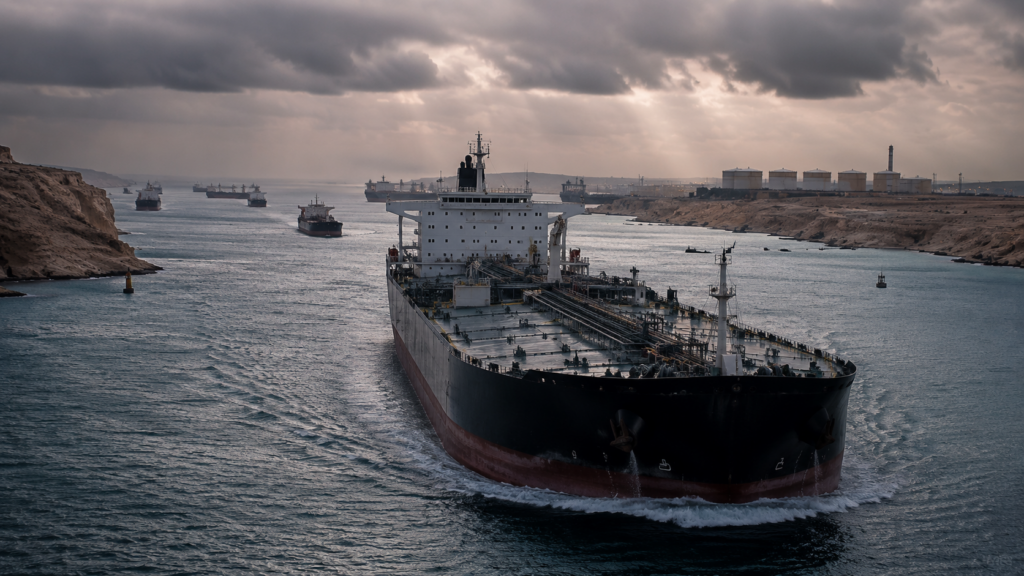
The Strait of Hormuz sits at the centre of this risk because it is a critical route for oil and gas shipments. Even partial disruption can create pressure across tanker traffic, insurance pricing, freight availability and import planning. Countries that depend heavily on imported fuel are forced to pay more, hold larger buffers or seek alternative cargoes in a market already stretched by uncertainty.
The institutional concern is also about asymmetry. Wealthier economies can absorb higher energy costs with strategic reserves, subsidies, fiscal buffers or currency strength. Poorer economies have fewer tools. They may face higher import bills, weaker currencies, more expensive food, widening deficits and tighter borrowing conditions all at once. That is why the same barrel of oil can be a price inconvenience for one country and a macroeconomic crisis trigger for another.
How does the Middle East war transmit pressure through fuel, fertiliser and food prices?
The energy shock does not stop at petrol pumps or power bills. It moves into fertiliser, food logistics, shipping costs and household consumption. Natural gas is a critical input for nitrogen fertiliser production, while oil and diesel influence the cost of farm machinery, trucking, cold storage and maritime transport. When energy costs rise, food systems often feel the pressure with a lag.
That lag is dangerous because policymakers may underestimate the second-round effects. A sharp fuel price spike can appear temporary in financial markets, but the cost of planting, harvesting, transporting and storing food can remain elevated for months. Import-dependent countries are particularly exposed if they buy both fuel and food from global markets.
The jobs risk is also real. Higher energy and fertiliser costs can weaken agricultural margins, raise manufacturing input costs and reduce household purchasing power. Small businesses in poorer economies often cannot hedge energy prices or pass costs on smoothly. That can feed into lower employment, weaker consumption and rising social pressure.
The deeper worry is that fuel and fertiliser stress can become a political economy problem. Governments may step in with subsidies to protect consumers, but subsidies worsen fiscal pressure. If governments do not intervene, households face inflation and lower real income. Either way, the war’s energy impact lands on public budgets and social stability.
Why are poorer and energy-importing economies more exposed than advanced markets?
Poorer and energy-importing economies are more exposed because they face the energy shock with weaker financial shock absorbers. Many already carry high debt burdens, limited foreign exchange reserves and narrow fiscal space. When fuel imports become more expensive, they may need more dollars at the same time that investors become more cautious toward emerging markets.
Currency pressure can intensify the problem. If a country’s currency weakens against the United States dollar, imported oil, gas and fertiliser become even more expensive in local terms. That can make inflation harder to control and force central banks to keep interest rates higher even when growth is slowing. The result is a difficult policy bind: protect the currency and risk growth, or support growth and risk inflation.
Energy import dependence also affects government budgets. Many vulnerable economies subsidise fuel, electricity or food to protect households. During an energy shock, those subsidy bills can rise quickly. If governments cut subsidies, they risk public anger. If they keep subsidies, they risk fiscal deterioration and higher borrowing costs.
The institutional warning therefore carries a development message as much as an energy message. Global energy instability can quickly reverse poverty reduction, food security gains and investment planning. For countries already dealing with climate stress, debt repayment and fragile employment, the Middle East war is not a distant geopolitical event. It is a balance-sheet problem arriving through fuel depots, ports and grocery prices.
What does this warning mean for oil, gas and shipping markets?
For oil and gas markets, the warning reinforces that the conflict risk is broader than spot prices. Traders can price crude futures quickly, but physical energy systems need reliable shipping routes, insurance cover, port access and refinery scheduling. If shipping through critical routes remains disrupted or uncertain, energy buyers may keep paying premiums even when headline prices soften.
Gas markets deserve particular attention because liquefied natural gas has become a major energy-security tool for Europe and Asia. Disruption to shipping routes or higher freight costs can affect LNG procurement strategies, especially for countries without strong domestic production. Gas-linked fertiliser costs can also keep the agricultural pressure alive even if crude prices ease.
Shipping markets may benefit in parts from higher rates and longer routes, but that does not mean the system is healthier. Longer voyages tie up vessels, increase costs and reduce flexibility. Insurers may demand higher premiums for routes seen as risky. Smaller importers may struggle to secure cargoes on competitive terms if larger buyers move aggressively to lock in supply.
For energy companies, the warning suggests that commercial opportunity and geopolitical risk are moving together. Producers with secure supply, diversified export routes and strong balance sheets may benefit from market tightness. Refiners, importers and utilities exposed to volatile feedstock costs may face margin pressure. The industry’s old rule still applies: geography is strategy, especially when the map is on fire.
How could the energy shock reshape policy choices on reserves, subsidies and diversification?
Governments are likely to respond by reassessing fuel reserves, import diversification and subsidy exposure. Countries with limited strategic reserves may face pressure to build larger buffers, especially for diesel, jet fuel and liquefied petroleum gas. That requires storage investment, inventory financing and stronger coordination with private suppliers.
Subsidy policy will become more difficult. Fuel subsidies can protect households and businesses during shocks, but they can also distort demand and drain budgets. Poorly targeted subsidies often benefit higher-income users as much as vulnerable households. A prolonged energy shock may force governments to redesign support around targeted cash transfers, transport relief or food assistance rather than broad fuel price controls.
Diversification will also move higher on the policy agenda. Importers may seek alternative crude grades, new LNG suppliers, regional power trade, renewable generation, battery storage and energy-efficiency programmes. Some may revisit domestic refining, coal use or emergency fuel procurement, even if those choices complicate climate commitments.
The key point is that energy security and energy transition are no longer separate policy tracks. The war is showing that a country can want decarbonisation and still urgently need liquid fuel resilience. The practical question is not whether fossil fuel exposure ends tomorrow. It is whether governments can reduce vulnerability while keeping economies running today.
Why does the Strait of Hormuz remain the central risk for global energy markets?
The Strait of Hormuz remains central because it links Middle East geopolitics directly to physical energy flows. A disruption there affects oil and gas shipments not only through actual supply loss, but through fear, route changes, insurance costs and defensive stockpiling. Even when ships continue moving, the market pays close attention to whether traffic is normal, delayed or operating under elevated risk.
The chokepoint matters because there are limited substitutes for its role in global energy trade. Alternative pipelines and routes exist, but they cannot instantly replace the scale of flows that normally move through the strait. That means any sustained disruption can tighten markets faster than policymakers would like.
For Asian importers, the exposure is especially significant because many depend heavily on Middle Eastern energy cargoes. Europe and the United States are also affected through global pricing, even if direct physical exposure differs. Energy markets are integrated enough that a regional shipping shock becomes a global pricing event.
This is why ceasefire headlines can move prices but may not fully remove risk. Markets need to see durable shipping normalisation, lower insurance stress and sustained political de-escalation. Until then, the Strait of Hormuz remains the main audit trail for whether the energy shock is easing or simply changing shape.
What should investors and executives watch as global agencies escalate their warning?
Investors should watch fuel price trends, fertiliser prices, shipping insurance costs, tanker traffic, emerging market currency pressure and sovereign debt spreads. These indicators will show whether the war’s energy impact is contained or spreading into financial stability risk. The important signal may not be the oil price alone. It may be the combination of oil, currencies, food imports and borrowing costs.
Energy executives should watch import policy, reserve releases, government procurement and subsidy decisions. Companies operating in refining, shipping, LNG, fertiliser and fuel retail may see rapid changes in regulation and customer behaviour. Governments under pressure often intervene first and tidy up the policy logic later.
Corporate executives outside energy should also pay attention. Higher fuel and fertiliser costs can affect logistics, agriculture, food processing, aviation, retail, chemicals and manufacturing. A company does not need to own an oilfield to be exposed to an energy shock. Sometimes it only needs trucks, electricity and customers with shrinking wallets.
For policymakers, the warning is a call to prepare before the shock deepens. Emergency reserves, targeted relief, multilateral financing and trade coordination can reduce damage. Waiting until poor economies are already facing shortages, food inflation and debt stress would be the expensive version of learning.
Could this become the next major test of multilateral crisis coordination?
The Middle East energy shock could become a major test of multilateral coordination because the pressure points cut across energy, finance, trade and development. No single institution can handle the full chain. The International Energy Agency can advise on supply resilience, the International Monetary Fund can support balance-of-payments stress, the World Bank can help vulnerable economies, and the World Trade Organization can focus on keeping trade channels open.
The challenge is speed. Multilateral systems are often built for deliberation, while energy shocks move quickly. Fuel prices can rise before emergency financing arrives. Fertiliser costs can hit planting decisions before development support is approved. Trade restrictions can spread faster than policy coordination.
The opportunity is that coordinated messaging may prevent fragmented national responses. If countries panic and impose export restrictions, hoard supplies or subsidise inefficiently, the global shock can worsen. If institutions coordinate financing, data, emergency response and trade discipline, vulnerable economies may have more room to manage the crisis.
The warning from global agencies should therefore be read as both diagnosis and pressure. The world is not yet in a full-scale energy and food crisis, but the risk is moving in that direction if the war persists. The uncomfortable part is that the countries with the least responsibility for the conflict may carry the heaviest economic burden.
Key takeaways on what the global energy warning means for markets and vulnerable economies
- The warning from the International Monetary Fund, World Bank, International Energy Agency and World Trade Organization turns the Middle East war into a broader energy-security and development-risk issue.
- The Strait of Hormuz remains the central pressure point because disruption or uncertainty there can affect oil and gas shipments, insurance costs, tanker routing and import planning.
- Poorer and energy-importing economies face the greatest risk because higher fuel and fertiliser costs can weaken currencies, widen deficits, raise food prices and strain public budgets.
- The energy shock can spread through food systems because fuel and gas costs influence fertiliser production, agricultural operations, transport, storage and consumer prices.
- Advanced economies have more tools to absorb price shocks, while vulnerable economies may need external financing, targeted relief and trade support to avoid deeper instability.
- Oil and gas markets may remain volatile even if headline prices ease, because physical shipping confidence can recover more slowly than futures markets.
- Governments are likely to revisit fuel reserves, subsidy design, import diversification, LNG procurement and energy-efficiency measures as the conflict exposes supply-chain fragility.
- Energy companies with secure supply and diversified routes may benefit, while importers, refiners, utilities and fuel retailers face greater exposure to policy intervention and cost volatility.
- Investors should track not only crude prices, but also fertiliser costs, tanker traffic, insurance premiums, emerging-market currencies and sovereign debt spreads.
- The crisis reinforces that energy security and energy transition must be managed together, because economies still need fuel resilience while reducing long-term exposure to imported fossil fuels.
Share this:
Discover more from Business-News-Today.com
Subscribe to get the latest posts sent to your email.