

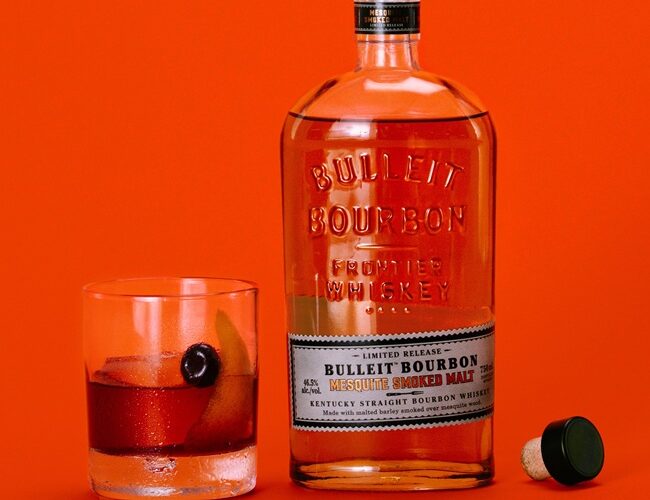
Diageo (NYSE: DEO), the world’s largest distiller by sales, has unveiled a limited-edition expression through its Bulleit Frontier Whiskey brand, releasing Bulleit Bourbon Mesquite Smoked Malt Kentucky Straight Bourbon Whiskey at a suggested retail price of $49.99 for a 750mL bottle beginning March 2, 2026. The release marks the first time in Bulleit’s history that rye has been removed from a bourbon mashbill, replaced by a blend of 65% corn, 30% mesquite wood-smoked malted barley, and 5% malted barley. Distilled in November 2018 at Bulleit Distilling Co. in Shelbyville, Kentucky and aged a minimum of six years before bottling in fall 2025, the expression represents Diageo’s first experimental new-make project under the Bulleit portfolio. The launch arrives as Diageo works through one of the most difficult chapters in its recent history, with DEO shares trading near their 52-week low following a dividend cut and downgraded sales guidance in late February 2026.
How does Bulleit Bourbon Mesquite Smoked Malt differ from the brand’s traditional high-rye recipe and standard production method?
Bulleit Frontier Whiskey built its reputation on a high-rye mashbill that delivered the bold, spicy character that set it apart from the corn-forward mainstream of American bourbon. That signature has now been set aside entirely for this release. The mesquite smoked malt expression uses no rye at all, making it structurally distinct from Bulleit’s core bourbon lineup rather than simply a variation on it.
The production process is notable for where the smoke character originates.
A portion of the malted barley is smoked over mesquite wood during the malting stage itself, before fermentation or distillation begins. No artificial flavors or post-distillation additives are involved. The smoked grain is incorporated into the mashbill and processed through Bulleit Distilling Co.’s standard Kentucky Straight Bourbon production method from that point forward. The result, according to the brand’s Whiskey R&D Manager Phil Gelineau, is a spirit that developed richer complexity during aging, layering caramelized sugar and brown sugar notes over the base mesquite character that became smoother and more integrated over six years in the barrel.
Bottled at 93 proof, or 46.5% ABV, the expression sits above the 80-proof baseline required for bourbon but below the cask-strength tier. That proof point is deliberate. A higher alcohol level preserves the intensity of the smoked malt character without crossing into a spirit that demands dilution to be approachable.

What does removing rye from Bulleit’s mashbill reveal about Diageo’s product development strategy for American whiskey?
The removal of rye is analytically significant beyond the product itself. Bulleit’s identity has been so closely tied to its high-rye profile for nearly four decades that departing from it signals a willingness at Diageo to experiment with the foundations of the brand rather than simply releasing aged variants or cask-finish expressions within the existing flavor family.
This is not the first time Bulleit has moved away from rye. The brand’s American Single Malt expression also departed from the traditional mashbill, though that product sits in a distinct and growing category that carries its own consumer expectations. The mesquite smoked malt release is different in that it occupies the bourbon category proper, inviting direct comparison with the core product it sits alongside at retail.
The six-year minimum aging commitment made in 2018 also signals something about Diageo’s longer-term thinking for the brand. The decision to smoke malt over mesquite wood and incorporate it into a bourbon mashbill was not a reactive move to a trend but a planned experiment that required patience. For a parent company that has faced sustained pressure on its North American business, including a 23% collapse in tequila sales during the first half of fiscal 2026, this kind of long-cycle innovation represents a calculated bet on premiumization and differentiated positioning in the American whiskey segment rather than volume recovery through line extensions.
Can a limited smoked bourbon meaningfully move the needle for Diageo’s North American spirits business at this scale?
Candidly, a one-time limited release at $49.99 per bottle is not a material revenue driver for a company of Diageo’s scale. The commercial logic here operates at a different level. Limited releases serve brand equity and channel relationships rather than top-line volume. They generate earned media, strengthen distributor engagement, and test consumer appetite for adjacent flavor territory before any decision is made to commit to wider production.
The barbecue positioning is deliberate and commercially sound. Smoked and BBQ-adjacent food culture in the United States has expanded well beyond the American South, and the association of a smoked whiskey with a grilling occasion targets a broadly understood cultural ritual that translates across geographies. Pairing whiskey with food occasions represents a growth lever that several premium bourbon producers have pursued in recent years with varying commercial outcomes.
The more significant signal may be what this release suggests about Bulleit’s experimental pipeline. The brand’s R&D leadership described this as the first of a broader and ongoing series of projects exploring unique grains, aging techniques, and production methods. If Diageo is establishing Bulleit as a genuine innovation platform within its American whiskey portfolio rather than a single-expression icon, the strategic intent extends well past any individual limited release.
How does Diageo’s current market position and financial pressure shape the context for this launch?
The timing of this release deserves scrutiny. Diageo entered March 2026 with DEO trading at approximately $85.52, within striking distance of its 52-week low of $84.52 and more than 26% below its 52-week high of $116.69. On February 25, 2026, the company slashed its dividend by more than half and cut its annual sales and profit guidance for the second time in four months, citing weak consumer spending in North America and significant headwinds in China’s white spirits market. Diageo’s organic net sales declined approximately 2.8% in the first half of fiscal 2026, with volumes falling across every region except Africa.
Citi lowered its price target on Diageo’s London-listed shares to 2,200 pence from 2,425 pence CNBC in late February 2026, consistent with a broader pattern of analyst caution toward the premium spirits sector as consumer confidence in North America remains soft.
Against that backdrop, a $49.99 limited bourbon release does not address the structural revenue pressures Diageo is managing. North American premium spirits face a consumer who is increasingly price-conscious, and the trade-down dynamic that has weighed on tequila sales at Diageo is not obviously reversing. Bulleit’s mesquite smoked malt expression targets a consumer willing to pay a slight premium above mass-market bourbon, and the limited distribution model may constrain meaningful trial.
What the launch does accomplish, however, is demonstrate continued investment in the Bulleit brand identity during a period when Diageo’s investor narrative is dominated by dividend cuts and volume declines. Maintaining brand momentum through selective innovation is a defensible strategy for a company working through a cyclical trough, provided that innovation spending is disciplined and that the experimental pipeline genuinely feeds into the brand’s long-term equity rather than becoming a distraction from operational priorities.
What competitive context does the mesquite smoked malt positioning create for Bulleit within the American whiskey market?
The smoked bourbon category remains relatively underdeveloped in the United States compared to the role that peated and smoked expressions play in Scotch whisky. A small number of American producers have experimented with smoke as a flavor input, but none has established a dominant position in the category, and consumer awareness of smoked bourbon as a distinct style remains limited outside of whiskey-enthusiast audiences.
That creates both opportunity and risk. Bulleit enters a space without a firmly established incumbent, which reduces the competitive defense required to establish presence. At the same time, consumer education around mesquite as a bourbon-specific flavor profile requires marketing investment that a one-time release may not sustain.
Mesquite as a smoke source carries specific regional and cultural associations tied to Texas-style barbecue and Southwestern grilling traditions. That positioning is differentiating within bourbon but may require careful communication to avoid narrowing the expression’s perceived occasion to a single geographic or culinary context.
The $49.99 price point positions the release above everyday bourbon but below the premium craft segment where smaller distillers have carved out loyal followings through heavily aged or single-barrel expressions. That middle ground requires strong brand recognition to succeed at retail, and Bulleit’s scale and distribution infrastructure provide an advantage that most smaller experimental producers cannot replicate.
Key takeaways: What Bulleit Bourbon Mesquite Smoked Malt means for Diageo, the Bulleit brand, and the American whiskey market
- Diageo has removed rye from a Bulleit bourbon mashbill for the first time, signaling willingness to experiment with the brand’s foundational identity rather than working within its established flavor framework.
- The mesquite smoke character originates at the malting stage, not through post-distillation flavoring, preserving Kentucky Straight Bourbon classification and maintaining authenticity credentials that matter to informed whiskey consumers.
- The six-year aging commitment made in 2018 indicates that Diageo’s American whiskey innovation strategy operates on decade-scale timelines, not reactive trend cycles.
- At $49.99 and one-time limited distribution, the release is not a meaningful revenue driver for Diageo but serves brand equity, distributor relations, and consumer trial objectives.
- The barbecue and food-pairing positioning targets a broad American cultural occasion rather than a narrow enthusiast segment, which expands the addressable consumer base for a smoked expression.
- DEO shares are near their 52-week low following a dividend cut and downgraded guidance in late February 2026, making this launch part of a brand-maintenance strategy during a cyclical trough rather than a growth accelerator.
- The smoked bourbon category lacks a dominant incumbent in the United States, giving Bulleit a genuine opportunity to establish early category leadership with a product from a recognizable national brand.
- Diageo’s description of this release as the first in an ongoing experimental pipeline suggests Bulleit is being repositioned as an active innovation platform within the parent company’s American whiskey portfolio.
- Execution risk lies in consumer education: mesquite smoke is not a widely understood flavor reference in bourbon, and limited distribution constrains the trial volume needed to build category awareness.
- For institutional investors watching DEO, this launch is a brand signal, not a financial catalyst, and should be read alongside Diageo’s broader premiumization strategy rather than as a near-term volume recovery lever.
Share this:
Discover more from Business-News-Today.com
Subscribe to get the latest posts sent to your email.