




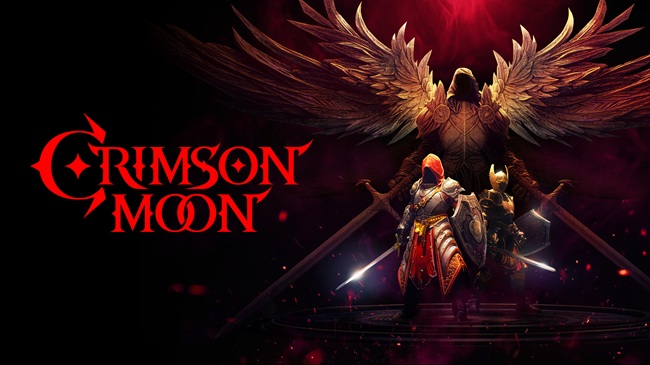
ProbablyMonsters has announced Crimson Moon, a Gothic High Renaissance action-adventure role-playing game scheduled for release in 2026 across PC, PlayStation 5, and Xbox Series X and Series S. The reveal positions Crimson Moon as a replayable, mission-driven title with optional two-player cooperative play, signaling the studio’s intent to compete in the premium action RPG segment with a new original intellectual property.
The announcement matters less for its dark fantasy aesthetic and more for what it reveals about ProbablyMonsters’ long-term development strategy. In a market increasingly divided between live-service games and tightly scoped premium experiences, Crimson Moon appears designed to sit in a middle ground that prioritizes replayability and co-op depth without committing to a full live-ops model.
How does Crimson Moon reflect ProbablyMonsters’ broader studio and portfolio strategy?
ProbablyMonsters was founded with a structural ambition that differs from traditional single-studio developers. Its model emphasizes multiple autonomous teams supported by centralized services, allowing the company to incubate new intellectual property while managing production risk across genres. Crimson Moon fits neatly into this framework as a self-contained premium title that can establish a franchise foundation without the overhead of persistent online infrastructure.
By positioning Crimson Moon as a mission-based action RPG rather than a fully open-world experience, ProbablyMonsters is making a calculated bet. Mission-driven design allows for controlled scope, predictable content pipelines, and higher polish per encounter, all while enabling replayability through modifiers, procedural elements, and progression systems. This approach reduces development risk compared with sprawling open-world RPGs that often suffer from cost overruns and delayed launches.
Crimson Moon also strengthens ProbablyMonsters’ narrative around original intellectual property creation. For an independent studio, building proprietary worlds rather than licensed franchises is critical to long-term valuation, whether through sequels, expansions, or cross-media opportunities.
Why is the focus on replayable missions and co-op strategically significant in today’s RPG market?
The modern action RPG market is saturated with high-budget single-player experiences that demand dozens of hours of narrative investment. At the same time, live-service games have trained players to expect longevity, social engagement, and mechanical depth. Crimson Moon’s design philosophy appears to bridge these expectations without fully embracing either extreme.
Replayable missions allow players to engage in shorter sessions while still pursuing long-term progression. Optional two-player co-op adds social stickiness without forcing multiplayer dependency. This design choice broadens the addressable audience, appealing both to solo players and to those who prefer shared experiences without the pressure of large-scale online ecosystems.
From a commercial perspective, this structure supports post-launch monetization options such as expansions or difficulty modifiers without locking the game into a service treadmill. It also aligns well with platform-holder priorities, particularly on consoles where curated premium experiences continue to drive engagement and hardware value.
What does the Crimson Moon reveal suggest about production scope and execution risk?
Crimson Moon’s setting, combat emphasis, and progression systems point to a game that prioritizes mechanical mastery over cinematic sprawl. Precision-based combat, skill expression, and character builds indicate a development focus on systems depth rather than sheer content volume.
This is a pragmatic choice. Systems-heavy games benefit from iterative balancing and player mastery, extending longevity without exponentially increasing asset creation costs. The use of a central hub for upgrades and planning reinforces a loop-based structure that is easier to scale and test compared with fully open environments.
However, this approach also introduces execution risks. Replayability depends heavily on encounter variety, enemy design, and progression balance. If missions begin to feel repetitive or modifiers lack meaningful impact, the core promise of the game weakens quickly. ProbablyMonsters will need disciplined playtesting and post-launch tuning to sustain engagement beyond the initial release window.
How does Crimson Moon position ProbablyMonsters within the competitive action RPG landscape?
Crimson Moon enters a crowded genre where expectations are shaped by both blockbuster franchises and indie standouts. Competing successfully does not require matching the largest budgets, but it does demand a clear identity and consistent execution.
The Gothic High Renaissance aesthetic, combined with angelic and infernal themes, provides a distinct visual and narrative hook. More importantly, the Nephilim power fantasy differentiates Crimson Moon mechanically, allowing the studio to justify its emphasis on transformation abilities and combat synergies.
Strategically, ProbablyMonsters appears less interested in competing head-to-head with established mega-franchises and more focused on carving out a durable niche. By delivering a polished, replayable experience with cooperative depth, the company can build a loyal player base that supports future content or sequels.
What does this announcement signal about platform strategy and distribution priorities?
Crimson Moon’s confirmed launch across PC, PlayStation 5, and Xbox Series X and Series S reflects a platform-agnostic strategy typical of independent premium developers. Distribution via major digital storefronts ensures global reach while avoiding exclusivity constraints that could limit commercial upside.
The reveal during a major platform showcase also suggests that ProbablyMonsters is investing in visibility and platform-holder relationships early. This is critical for discovery in a market where release calendars are increasingly congested and marketing noise is high.
From a timing perspective, a 2026 release window gives the studio room to polish and iterate while aligning with a console generation that is entering a more mature phase, where players often seek deeper, more refined experiences.
How does Crimson Moon fit into broader trends shaping premium game development?
The announcement reflects a broader recalibration within the industry. Rising development costs, player fatigue with aggressive monetization, and uneven performance of live-service titles have pushed many studios back toward premium, replayable experiences.
Crimson Moon embodies this shift by emphasizing depth, mastery, and optional social play rather than endless content churn. It suggests that ProbablyMonsters is reading market signals carefully and positioning itself to benefit from players seeking high-quality experiences that respect time and investment.
This approach also aligns with investor and publisher sentiment that increasingly values sustainable development models over speculative scale. While ProbablyMonsters remains privately held, its strategic choices mirror those of studios aiming for long-term resilience rather than short-term hype.
What are the key execution challenges ahead for ProbablyMonsters?
Delivering on Crimson Moon’s promise will require careful coordination across design, technology, and production. Combat systems must feel responsive and rewarding across hundreds of encounters. Progression must offer meaningful choice without overwhelming complexity. Cooperative play must enhance, not dilute, the core experience.
There is also narrative risk. A dark fantasy setting can quickly feel generic if lore and world-building lack coherence or originality. Maintaining a strong narrative through mission-based structure will be essential to differentiate the game beyond its mechanics.
Finally, release timing will matter. Launching into a crowded release window could blunt impact, regardless of quality. ProbablyMonsters will need to balance readiness with market awareness as 2026 approaches.
Key takeaways: What the Crimson Moon announcement means for ProbablyMonsters and the premium RPG market
- Crimson Moon positions ProbablyMonsters as a serious contender in premium action RPGs built around replayability rather than live-service dependency
- The mission-based, co-op optional structure reflects a deliberate risk-managed development strategy
- Emphasis on systems depth and combat mastery aligns with player demand for meaningful, repeatable experiences
- Original intellectual property creation strengthens ProbablyMonsters’ long-term portfolio value
- Platform-agnostic distribution maximizes reach without sacrificing strategic flexibility
- Execution quality, not scale, will determine the title’s success in a crowded genre
- The project reflects broader industry movement away from high-risk live-service models
- A 2026 launch window provides time for polish but increases competitive pressure
- Crimson Moon’s success could shape ProbablyMonsters’ future investments in similar mid-scope premium titles
Discover more from Business-News-Today.com
Subscribe to get the latest posts sent to your email.