



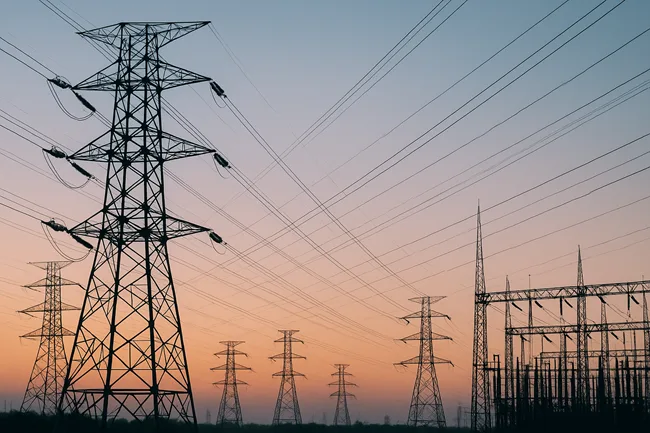
Hydro One Limited (TSX: H) has been formally designated by the Ontario government to develop the Greenstone Transmission Line, a 230-kilovolt project expected to be in service by 2032. The move aims to bolster grid reliability in Northern Ontario and support the mineral-rich Ring of Fire region’s future industrialization.
The new line will be co-developed under Hydro One’s 50-50 First Nations Equity Partnership Model, positioning Indigenous communities as financial stakeholders and co-developers. Strategically, the project is being framed as a foundational enabler for critical minerals mining, particularly in light of geopolitical urgency around supply chain resilience and domestic resource development.
Why is Ontario accelerating First Nations-led transmission development in the Greenstone region now?
Ontario’s decision to fast-track the Greenstone Transmission Line with Hydro One at the helm is as much about economic sovereignty as it is about power infrastructure. The designation follows three years of coordination between provincial authorities, Hydro One Limited, and multiple First Nations communities, culminating in a directive issued by Minister of Energy and Mines Stephen Lecce to the Ontario Energy Board.
What makes this project structurally different is its embedded equity model. Hydro One’s 50-50 partnership framework gives proximate First Nations not just a seat at the table but ownership stakes in the transmission asset itself. This framework addresses a long-standing demand for more meaningful participation in infrastructure projects that cross Indigenous land, offering both revenue streams and strategic agency in future resource corridors.
At a technical level, the Greenstone line will connect to the existing 230-kV East-West Tie near Nipigon Bay and terminate at a new switching station near Aroland First Nation. While designed as a single-circuit line, its architecture allows for a second circuit if demand accelerates. This signals a forward-looking plan to scale transmission in line with future mining and industrial load growth.
Crucially, the project’s endpoint is near the Ring of Fire region—home to one of the world’s largest undeveloped deposits of high-grade critical minerals including nickel, cobalt, and chromite. If the energy corridor gets built on schedule, it will underpin electrification of mining and processing infrastructure necessary for North American EV supply chains.
What is the strategic calculus behind Ontario’s push to control permitting, energy, and mineral assets in tandem?
The designation of Hydro One for this project follows Ontario’s recent efforts to compress mining permitting timelines and create downstream processing incentives—moves that align with Canada’s broader ambition to become a top-tier critical minerals hub.
The timing is politically significant. Minister Lecce invoked the specter of former U.S. President Donald Trump’s “economic assault” on Canada during his remarks, suggesting this infrastructure move is also about reinforcing self-sufficiency. With the Biden administration still pushing domestic content requirements under the Inflation Reduction Act, Canada is under pressure to prove it can deliver critical mineral inputs at scale, on time, and with geopolitical reliability.
Infrastructure bottlenecks, particularly lack of reliable power and road access, have historically delayed Ring of Fire development. With this transmission designation, Ontario is sending a message that those barriers are being cleared in an orchestrated fashion.
Importantly, this move gives the provincial government a way to exercise influence over both the pace and the ownership structure of development. By anchoring the build with Hydro One and Indigenous partners, the province also gains social license and risk-sharing mechanisms that could help avoid future legal or reputational disruptions.
How does Hydro One’s First Nations equity model shift precedent in Canadian transmission projects?
Hydro One’s 50-50 First Nation Equity Partnership Model could emerge as the new standard for inclusive infrastructure development in Canada. Unlike legacy models where Indigenous involvement was largely consultative or procurement-based, this structure enables full equity participation—meaning future revenues, dividends, and asset value are shared.
This co-ownership structure does more than check a reconciliation box. It materially shifts the economic base of participating First Nations, especially those who have historically faced high energy costs and low employment from external infrastructure projects.
Statements from First Nations leaders—including Chief Allan Odawa Jr. of the Red Rock Indian Band, Chief Sonny Gagnon of Aroland First Nation, and Chief Judy Desmoulin of Long Lake #58 First Nation—all pointed to the dual benefit of energy reliability and economic empowerment. The combination of local job creation, contracting opportunities, and long-term investment returns makes this project a generational wealth opportunity.
Hydro One has used similar models before in projects like the Waasigan Transmission Line, but Greenstone could become the national template, especially as Canada looks to expand energy access in remote regions that intersect with future mining zones.
What are the key risks, execution pressures, and second-order effects to watch between now and 2032?
Despite the optimism around equity and electrification, execution risks are real. The project has a long development runway—estimated in-service date is 2032—and will require complex coordination across land rights, environmental permitting, and engineering design. Delays in environmental assessments or community approvals could extend timelines.
Second, inflationary pressures in labor, steel, and electrical equipment markets could impact the project’s capital budget. While the equity structure distributes some financial risk, cost overruns could stress Hydro One’s balance sheet or complicate future rate recovery.
There is also the geopolitical risk of the Ring of Fire itself falling behind global supply chain timelines. If battery manufacturers or downstream processors shift away from Canadian feedstock due to delays, the strategic value of the Greenstone line could be undermined.
However, if the project stays on track and the mining region gains traction, the benefits could cascade well beyond northern Ontario. Future industrial users, from nickel refiners to battery cathode producers, will likely see this as a green light for long-term capital investment in the region.
Could this set a precedent for future infrastructure integration across Canada’s critical mineral corridors?
The broader implication of the Greenstone Transmission Line is that transmission planning is no longer a reactive utility function—it is becoming a forward-deployed industrial strategy. Just as Alberta is aligning its transmission with carbon capture and hydrogen zones, and Quebec is scaling hydro exports for U.S. markets, Ontario is now proactively designing energy infrastructure around critical mineral development.
This form of vertical integration—where permitting, infrastructure, Indigenous partnership, and industrial policy move in lockstep—could reshape how Canada competes with the United States, Australia, and China for future battery supply chain investments.
If Greenstone succeeds, it sets a national precedent not just for how to electrify remote industrial zones, but for how to de-risk them politically, socially, and financially.
Key takeaways: What Ontario’s designation of Hydro One for the Greenstone line signals for energy, mining, and reconciliation
- Ontario has officially designated Hydro One Limited to build the Greenstone Transmission Line, targeting an in-service date of 2032.
- The line will support electrification and reliability for northern communities while unlocking industrial access to the Ring of Fire’s critical minerals.
- Hydro One’s 50-50 equity partnership model gives proximate First Nations co-ownership of the project’s transmission assets.
- This marks a shift from consultative to participatory Indigenous infrastructure models, aligning with economic reconciliation goals.
- The project is strategically timed with Ontario’s broader permitting reforms and critical mineral processing ambitions.
- Infrastructure access has been a major barrier to Ring of Fire development; this designation seeks to break that deadlock.
- Execution risks include permitting delays, capital cost inflation, and potential mining sector hesitations due to uncertain timelines.
- First Nations leaders have endorsed the project as a vehicle for energy security, employment, and long-term wealth generation.
- Ontario is positioning transmission not just as energy delivery, but as industrial strategy integrated with resource development.
- Success here could set a model for infrastructure-led critical mineral corridor development across Canada.
Discover more from Business-News-Today.com
Subscribe to get the latest posts sent to your email.