




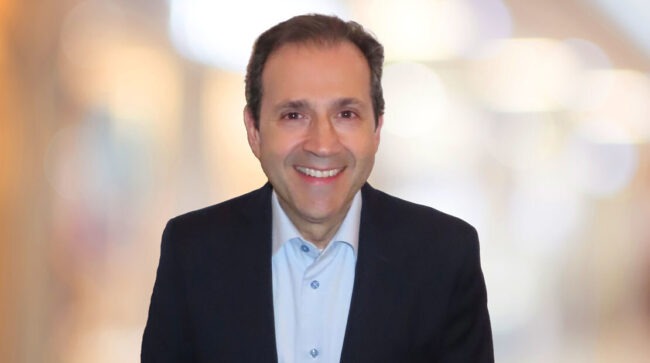
Hormel Foods Corporation (NYSE: HRL) has appointed Domenic Borrelli as executive vice president of Retail, effective February 23, 2026, placing him in charge of its largest and most consumer-facing business unit. The move comes amid broader leadership changes at the company, including the upcoming retirements of Mark Morey and Paul Peil, two long-serving executives instrumental to Hormel Foods’ fresh meats business.
This reshuffle marks a significant inflection point for Hormel Foods as it seeks to drive renewed growth across its iconic brand portfolio, enhance category execution, and manage leadership succession at a time of sector-wide volatility and shifting consumer demand.
Why is Hormel Foods elevating external talent to lead its critical retail portfolio?
Hormel Foods’ decision to bring in Domenic Borrelli to head its Retail segment signals a targeted pivot toward external category expertise in an era where legacy brand portfolios are being retooled for modern consumption patterns. The Retail division encompasses many of the company’s most recognized products across snacking, center-store, and refrigerated meats, including brands like PLANTERS, SKIPPY, SPAM, APPLEGATE, and COLUMBUS. Collectively, this segment forms one of Hormel Foods’ primary revenue and margin engines.
By hiring from outside the organization, Hormel Foods appears to be prioritizing fresh strategic thinking over internal continuity in its effort to optimize brand positioning and accelerate premiumization within traditional categories. Borrelli’s resume supports this direction: his tenure at Danone North America included leading multibillion-dollar beverage and plant-based platforms, integrating acquired assets, and spearheading consumer-led innovation across dairy and coffee adjacencies.
Hormel Foods president John Ghingo emphasized that Borrelli’s leadership is expected to reinforce the company’s commitment to building brand equity through sharper customer relationships, data-informed category growth, and cross-functional commercial alignment.
This type of cross-category leadership has become increasingly valuable in today’s retail environment, where category lines are blurring and shopper expectations around wellness, sustainability, and convenience are shifting the calculus for large branded food companies.

What does Borrelli’s experience reveal about Hormel Foods’ evolving retail strategy?
Domenic Borrelli’s track record offers insight into where Hormel Foods might push next. His leadership of Danone’s Beverage Creations business covered ready-to-drink coffee, coffee creamers, and premium waters—all high-margin, innovation-led segments with strong consumer resonance. He also oversaw transformation programs and go-to-market integration across plant-based and premium dairy categories, aligning closely with the strategic vectors Hormel Foods has been signaling in recent years.
Borrelli’s previous executive experience at Kraft Foods and Maple Leaf Foods further positions him as a commercial leader capable of navigating complexity across meat, grocery, and CPG categories. Notably, his role as general manager for sustainable meat at Maple Leaf Foods could dovetail with Hormel Foods’ stated ambitions in ethical sourcing and product transparency, particularly around its APPLEGATE and JENNIE-O lines.
By installing Borrelli at the helm of its Retail business, Hormel Foods appears to be sharpening its focus on not just brand stewardship, but also on performance execution across channels that are seeing channel fragmentation, private-label competition, and mounting promotional pressure.
How will the retirements of Morey and Peil affect operations and institutional continuity?
While Borrelli’s appointment introduces new blood into the executive leadership team, the parallel announcement of two key retirements adds a layer of transition risk that will require active mitigation.
Mark Morey, vice president of operations for fresh pork, and Paul Peil, vice president of marketing for fresh and ready meats, are set to retire after decades of leadership at Hormel Foods. Combined, their institutional memory and operational expertise helped shape much of the company’s protein business during periods of pricing pressure, food safety modernization, and supply chain disruption.
Morey’s three-decade career spanned general management and operations across Farmer John, Dan’s Prize, and Precept Foods, as well as vice president-level roles in foodservice and affiliated businesses. His stewardship of fresh pork operations in recent years gave Hormel Foods a level of stability in raw material sourcing and operational throughput—areas that will be increasingly tested as protein market volatility and ESG scrutiny intensify.
Peil’s 36-year run began in sales and culminated in a key leadership role overseeing marketing for Hormel Foods’ fresh pork and deli portfolio, including the Hormel Cure 81 and Jennie-O brands. His contributions to customer relationship management and category growth played a significant role in maintaining shelf relevance across retail customers.
While succession plans for their roles have not yet been formally disclosed, the timing suggests that Hormel Foods is orchestrating a broader leadership refresh, aimed at aligning growth ambitions with external perspectives while honoring long-standing institutional contributions.
What does this leadership transition signal about broader CPG sector dynamics in 2026?
Hormel Foods’ leadership transition mirrors a broader trend in the consumer packaged goods sector: legacy firms are increasingly hiring externally to infuse new capabilities around omnichannel execution, data-driven retail strategy, and cross-category innovation. The move reflects pressure from activist investors, shifting retailer dynamics, and post-pandemic consumption fatigue.
As shoppers rebalance away from stock-up behaviors and toward price sensitivity and health-conscious choices, food manufacturers are being forced to re-justify their price premiums through innovation, brand storytelling, and ESG claims. Executives like Borrelli, with a track record in premium adjacencies and integration-focused playbooks, are likely to play a more central role in navigating these shifts.
For Hormel Foods specifically, the challenge remains multifaceted. It must balance category stewardship of iconic brands with the transformation demands of modern consumers, all while preserving cost discipline and operational reliability in its upstream protein business.
With a strategic foothold in value-added meats, snacking, and emerging categories like plant-based, Hormel Foods has the breadth to pivot—but execution will hinge on how well this new leadership slate can translate insight into scale.
How has investor sentiment around Hormel Foods evolved ahead of this leadership shift?
Hormel Foods Corporation (NYSE: HRL) has seen mixed investor sentiment over the past 12 months, with shares trading under pressure in 2025 due to inflation-driven margin compression, supply chain volatility, and retail volume softness. As of early January 2026, the stock remained range-bound with modest institutional rotation visible in quarterly filings.
While the leadership refresh is unlikely to spark immediate re-rating, it may signal to long-term investors that Hormel Foods is proactively addressing succession risk and capability gaps in its core growth engine. Some analysts may interpret Borrelli’s appointment as a strategic hedge against margin pressure through potential premiumization and adjacent-category expansion.
The upcoming Q1 FY26 earnings report, expected in February, will provide a clearer lens into early 2026 performance and may offer updated guidance that reflects the new leadership agenda.
Key takeaways on what this leadership transition means for Hormel Foods, its competitors, and the CPG industry
- Hormel Foods has appointed Domenic Borrelli as executive vice president of Retail to lead its most important consumer-facing segment, effective February 23, 2026.
- Borrelli’s cross-category experience at Danone and Kraft Foods suggests a focus on premiumization, category reinvention, and retail performance acceleration.
- The concurrent retirements of Mark Morey and Paul Peil remove long-standing operational and commercial leadership in fresh meats, increasing transition risk in upstream businesses.
- This leadership reshuffle aligns Hormel Foods with a broader CPG trend of seeking external talent to drive innovation and transform legacy portfolios.
- Institutional investor sentiment on Hormel Foods remains neutral, with the market awaiting Q1 FY26 signals on volume recovery, margin stability, and capital allocation priorities.
- Competitors like Tyson Foods and Maple Leaf Foods may interpret the move as a signal that Hormel Foods is doubling down on brand-led value creation in addition to operational efficiency.
- Retail partners and private label challengers will likely monitor whether the new leadership translates into more competitive shelf strategies and targeted promotions.
- The leadership transition underscores the increasing complexity of managing branded food portfolios across traditional, value-added, and emerging growth categories.
Discover more from Business-News-Today.com
Subscribe to get the latest posts sent to your email.

