




Veolia Environnement SA’s proposed acquisition of Clean Earth from Enviri Corporation for $3.04 billion signals a pivotal reshaping of the U.S. hazardous waste sector. If completed by mid-2026 as anticipated, the deal could elevate Veolia to the number two position in the country’s regulated waste hierarchy. However, while the acquisition strengthens Veolia’s competitive standing, it also raises questions about market fragmentation, integration risks, and the response strategies of key rivals including Clean Harbors, Republic Services, GFL Environmental, and Stericycle.
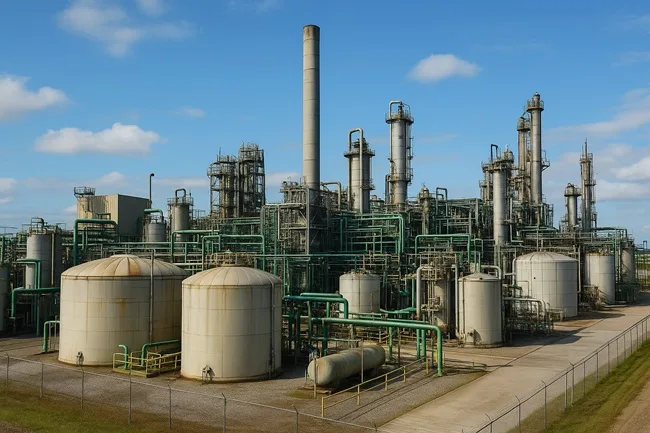
Clean Earth currently operates a national network comprising 82 locations, including 19 EPA-permitted treatment, storage, and disposal facilities. The company holds more than 700 active permits and serves tightly regulated industries such as healthcare, pharmaceuticals, semiconductors, and advanced manufacturing. By acquiring Clean Earth, Veolia would gain immediate access to a deeply entrenched U.S. logistics and compliance platform that is difficult to replicate, particularly for foreign operators entering the market.
How Veolia’s bid to acquire Clean Earth aligns with its U.S. expansion and GreenUp strategy
For Veolia, the Clean Earth acquisition is a strategic step toward solidifying its role in high-barrier environmental markets. The deal is projected to boost the company’s global hazardous waste revenue to approximately €5.2 billion and deliver an EBITDA margin of 17 percent in the segment. With Clean Earth expected to generate $1.03 billion in revenue and $200 million in EBITDA by 2026, Veolia’s acquisition price implies a 9.8 times multiple on future EBITDA, assuming synergies are achieved.
The transaction supports two core growth priorities for Veolia. First, it enables deeper penetration into sectors that require strict hazardous waste compliance such as clean energy manufacturing, electronics, and healthcare. Second, it expands Veolia’s U.S. geographic reach into regions where Clean Earth is strong, particularly in the Southeast and Pacific Northwest, enhancing Veolia’s ability to provide coast-to-coast service. Clean Earth also brings expertise in treating emerging contaminants, including PFAS, which are increasingly regulated under U.S. federal environmental law.
Veolia has outlined expectations for $120 million in annual synergies by the fourth year post-acquisition and anticipates that the transaction will be earnings accretive by the second year. The acquisition aligns with the company’s GreenUp program, a portfolio transformation initiative aimed at repositioning its global footprint around core growth pillars such as water, waste, and energy transition infrastructure. Under this strategy, Veolia has already executed more than €8.5 billion in asset rotation.
Why Clean Harbors, Republic Services, GFL, and Stericycle may face renewed pressure
The proposed acquisition places immediate strategic pressure on existing players across the U.S. regulated waste landscape. Clean Harbors currently dominates the hazardous waste market and has built its moat over decades through incineration capacity, deep regional coverage, and long-term regulatory engagement. However, Veolia’s entry with Clean Earth’s national footprint could erode Clean Harbors’ market share in key regions and customer verticals.
Republic Services, while primarily focused on solid waste and municipal contracts, has invested in its Environmental Solutions segment in recent years. However, it lacks the permitting density and technical specialization needed to compete directly with a scaled-up Veolia-Clean Earth entity in hazardous waste.
GFL Environmental has taken an aggressive growth path since its public listing, especially in the U.S. solid waste market. Yet its hazardous waste operations remain fragmented and limited in scale. Veolia’s acquisition of Clean Earth grants it immediate access to regulated verticals and a compliance infrastructure that GFL has yet to match.
Stericycle, historically strong in medical waste and secure document destruction, continues to undergo restructuring. With limited capital flexibility and an underperforming portfolio, it may struggle to respond to Veolia’s expanded service capabilities and margin profile.
How PFAS regulations and reshoring are creating new demand for hazardous waste treatment
The Clean Earth acquisition is also about positioning for future regulatory and industrial trends. The U.S. Environmental Protection Agency is escalating oversight of PFAS and other emerging contaminants, increasing the demand for advanced treatment facilities and compliance systems. Clean Earth has made significant investments in PFAS remediation, which will now be available to Veolia’s broader client base.
At the same time, reshoring trends in industries such as semiconductors, pharmaceuticals, and renewable energy are leading to new hazardous waste generation zones, especially in the Midwest and South. Facilities that can handle diverse waste streams, maintain compliance with evolving state and federal guidelines, and offer closed-loop logistics are becoming critical to national infrastructure planning.
Veolia’s integration of Clean Earth enables the company to offer a more comprehensive solution to these evolving needs, combining global expertise with localized execution in a heavily regulated market.
What gaps could remain in Veolia’s U.S. waste infrastructure post-acquisition
Despite the strength of the proposed transaction, there are areas where Veolia may still trail behind its rivals. Clean Earth’s geographic concentration means that inland industrial corridors, including parts of the Midwest and Southwest, remain more firmly within Clean Harbors’ operational strongholds. These locations include facilities with incineration, landfill, and specialized recycling capabilities that Clean Earth lacks or has yet to scale.
Moreover, cross-border integration always presents risks. Cultural differences between Veolia’s European management and U.S.-based Clean Earth operations could delay efficiency gains. Analysts have pointed out that environmental service acquisitions often face multi-year ramps in synergy realization due to permitting cycles, labor alignment, and regional compliance issues.
In that window, competitors may launch defensive strategies including price stabilization, service bundling, or acquisition of regional specialists to protect their existing customer bases and margins.
Why analysts believe the Veolia–Clean Earth deal could trigger broader sector consolidation
The proposed acquisition could act as a catalyst for renewed M&A across the environmental services sector. Clean Harbors may explore international expansion or deepen its investments in segments such as biosolids, e-waste, or hazardous recycling to stay ahead. Republic Services could be prompted to accelerate its Environmental Solutions strategy, particularly in regulated verticals such as healthcare and chemicals.
Private equity funds, which have shown growing interest in niche environmental compliance providers, may also see increased deal flow in the wake of this headline acquisition. Smaller regional players in PFAS treatment, industrial services, and logistics optimization could become strategic bolt-on targets for larger operators seeking to match Veolia’s scale.
What performance metrics will investors and analysts track as Veolia integrates Clean Earth and scales in the U.S.
The transaction remains subject to customary closing conditions, including shareholder approval by Enviri Corporation, expiration of the Hart-Scott-Rodino antitrust review period, and finalization of the New Enviri spin-off. For Enviri shareholders, the spin-off of Harsco Environmental and Harsco Rail into New Enviri, coupled with the Clean Earth divestment, is expected to deliver between $14.50 and $16.50 per share in cash plus equity in the new entity.
Analysts covering Veolia will track post-acquisition integration, customer retention, regulatory alignment, and progress on synergy milestones. The scale of Clean Earth’s operations offers upside, but only if Veolia can execute on operational improvements and manage the transition without losing key permits or contracts.
Institutional sentiment is likely to focus on long-term EBITDA growth, PFAS-related contract wins, and Veolia’s ability to use its U.S. platform to cross-sell circular economy services in water reuse, energy-from-waste, and advanced recycling.
Discover more from Business-News-Today.com
Subscribe to get the latest posts sent to your email.



